Here on the lot, we talk to families every single day who have found the perfect manufactured home but are unsure how to pay for it if they don’t own the land. As a dealership that handles everything from the initial permits to the final walk-through across the Lone Star State, we know that Texas buyers care about more than just a pretty floor plan. You are thinking about surviving severe weather, navigating tricky transport routes, adhering to strict local setup details, and most importantly, getting your financing dialed in.
A common question I get is: Can I use an FHA loan if I’m moving the home into a local mobile home park? The short answer is yes, but the rules are highly specific. If you are starting to budget for a turn-key project like this, we highly recommend reading The Ultimate Guide: How to Secure Mobile Home Loans for Your First Purchase “Near Me” to help you prepare your finances for a premium, professional installation.
What is the difference between FHA Title I and Title II loans?
Short answer: A Title I loan is designed for financing just the manufactured home (or the home and a leased lot), while a Title II loan requires you to purchase the home and the land together as real property.
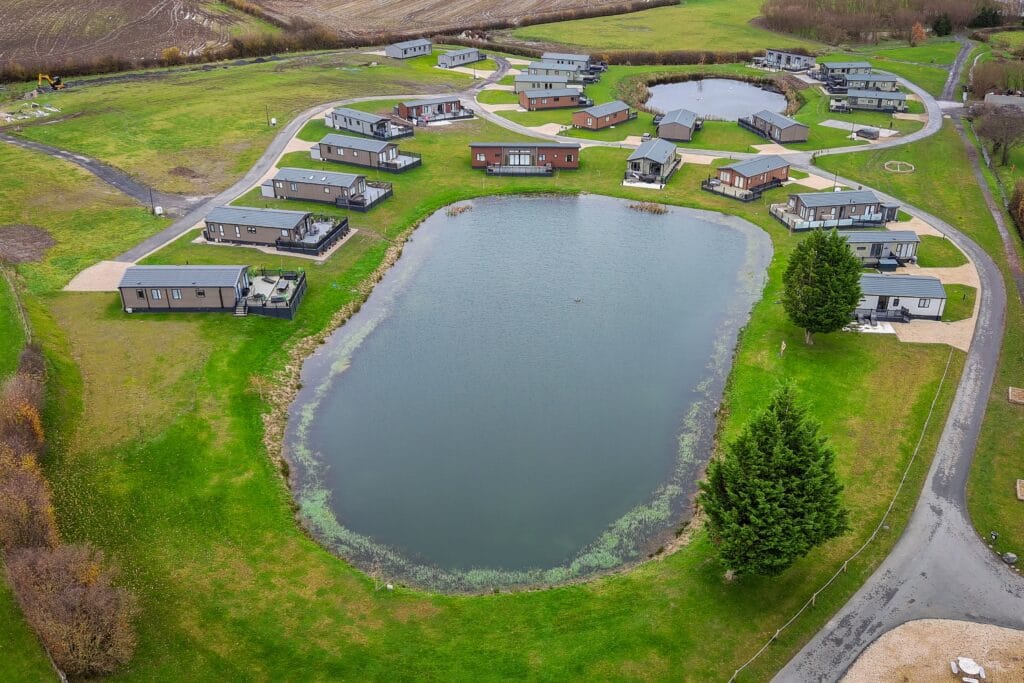
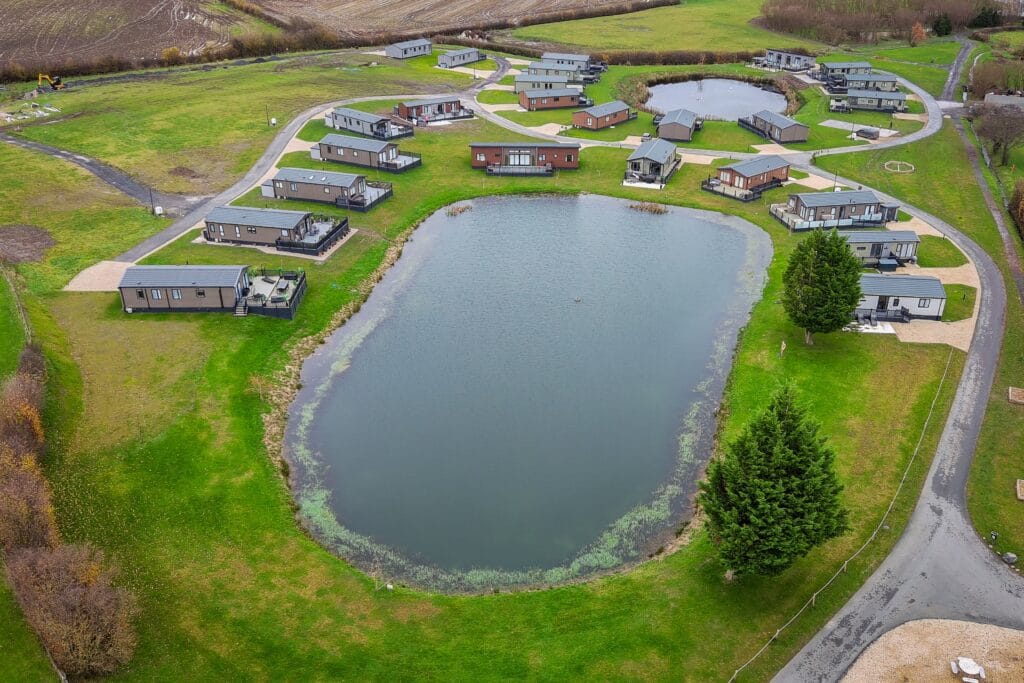
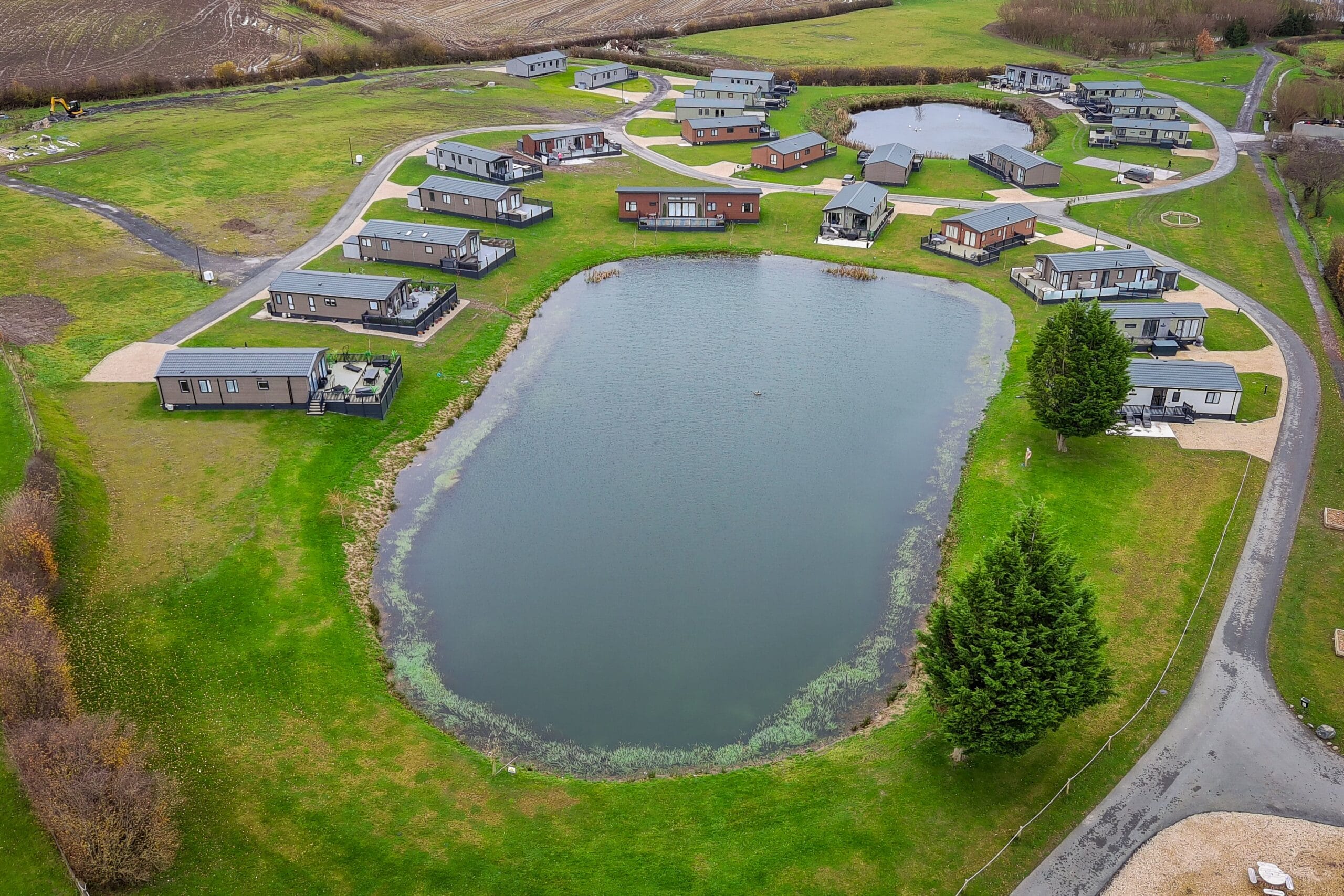
When you place a home in a park, you are renting the lot. In the lending world, financing a home without the land is traditionally done through a Chattel loan (a personal property loan). However, the FHA offers a government-backed alternative called an FHA Title I Loan. This program is specifically built for buyers who are placing their home in a manufactured home park or on a leased lot.
On the flip side, an FHA Title II loan is heavily used for land-and-home packages. Because you won’t own the dirt underneath your home in a park, a Title II loan generally won’t apply to your situation. For more details on government-insured financing, you can review the official requirements for Loans | HUD.gov / U.S. Department of Housing and Urban ….
Why do Texas wind zones and foundations matter for park setups?
Short answer: To get approved for an FHA loan, your home must be securely tied down to an approved permanent foundation that meets both national HUD codes and local Texas wind zone certifications.
Just because your home is going into a park does not mean you can cut corners on the setup. We have seen buyers assume that park setups are “temporary,” but FHA lenders demand permanent safety. To qualify, your purchase must be a true HUD-code home, meaning it was built to strict federal standards and features a red HUD certification label bolted to its exterior.
Foundation requirements are incredibly rigid. As we’ve noted in our previous foundation guides, most standard setups dictate that piers are placed every 6 to 8 feet along the steel I-beams. However, the exact measurement is strictly dictated by your home’s unique engineering manual and local soil load-bearing capacity. Perimeter blocking is also required underneath heavy areas like large windows, sliding glass doors, or heavy appliances. This prevents the outer walls of the home from sagging over time and is heavily mandated by high-wind zone building codes.
Can poor pier spacing affect your home’s financing? Absolutely. If your home’s foundation does not meet state codes or manufacturer specifications, it will fail the FHA appraisal inspection. This failure can void your warranty, compromise structural integrity, and entirely prevent you from securing your mortgage.
How do park zoning and lot leases impact your loan?
Short answer: FHA guidelines require the mobile home park to meet local zoning laws and provide you with a minimum three-year lot lease agreement.
We handle the logistics of moving homes onto properties all over the state, and we can tell you firsthand that not all parks are created equal in the eyes of a lender. The FHA wants assurance that you won’t be forced to move your home six months after you buy it. Therefore, the park must offer a lease term of at least three years, and the lease must explicitly state that you will receive at least 180 days’ written notice if the park ever decides to close.
Additionally, the park itself must conform to local zoning rules. A rogue, unpermitted park won’t fly. Lenders need to verify that the site has proper utilities, water, and sewage connections ready to go before they sign off on funding the home.
Frequently Asked Questions
Does a home in a park count as real property?
No. When you install a home on a leased lot in a park, it is classified as personal property (often referred to as chattel). It only becomes real property if you own the land underneath it and complete the legal process with the state to tie the home and land together.
Do I need a specific type of manufactured home to qualify?
Yes. The FHA will only insure loans for a HUD-code home. This means the home must have been built after June 15, 1976, to the HUD building standards, and must still have its original HUD certification label attached to the outside of the unit.
Will any mobile home park work for an FHA loan?
Not necessarily. The mobile home park must be officially zoned for manufactured housing by the local municipality and must offer you an FHA-compliant lease agreement (typically an initial three-year term) to protect the lender’s investment.
Ready to find a beautifully built home that fits perfectly into an FHA-approved park setup? We handle the transport, the setup, and all the headache-inducing permit details so you don’t have to. Check out our Champion ESSF26628 16 Single Wide Home today to start your journey.