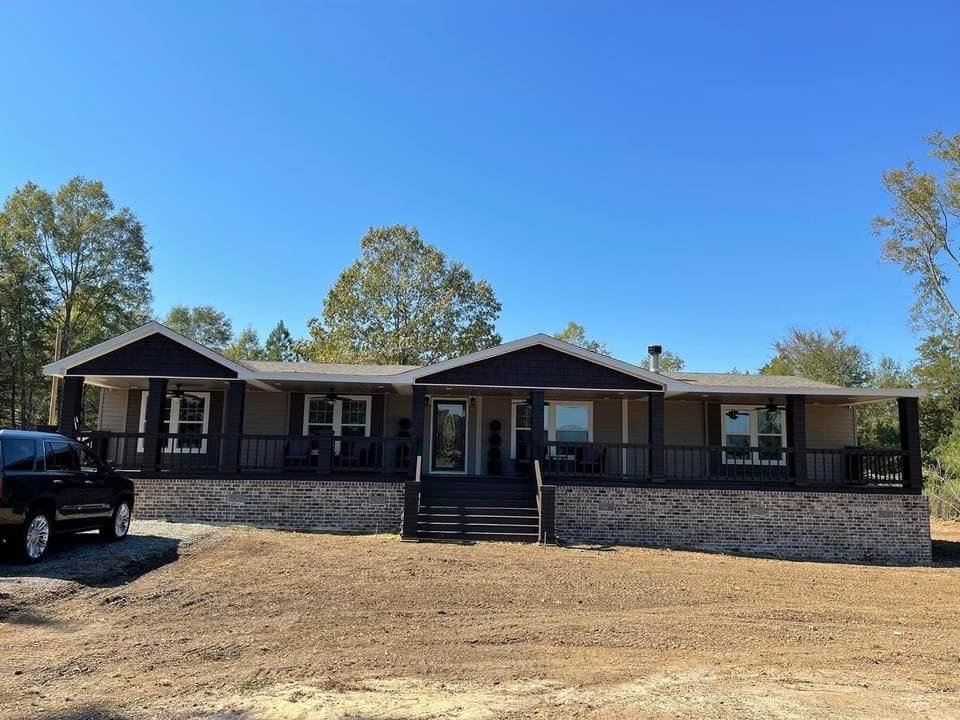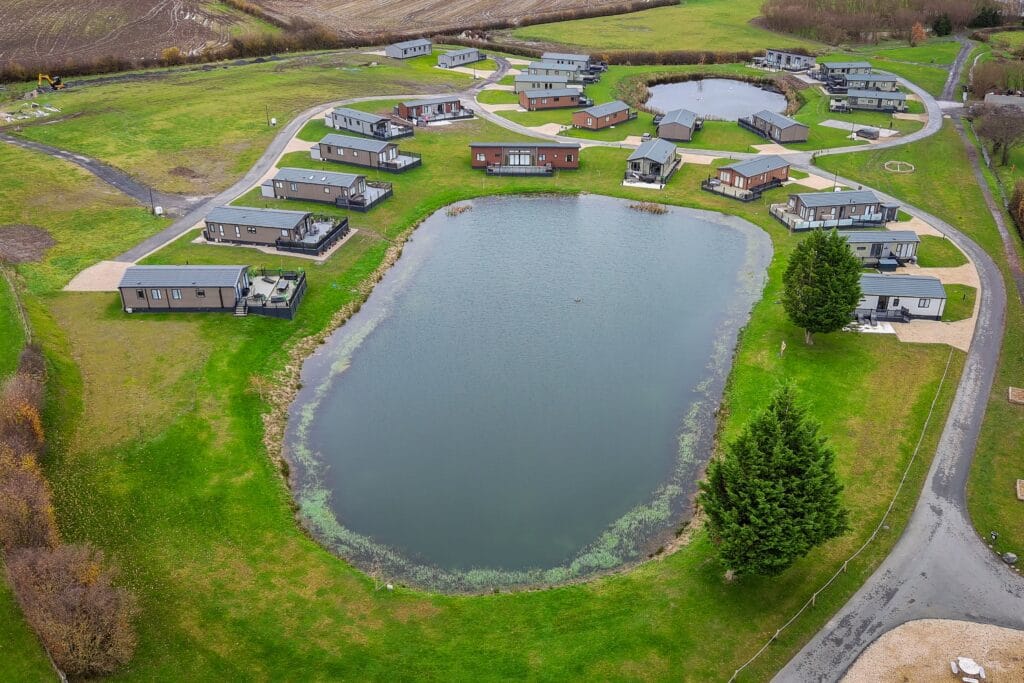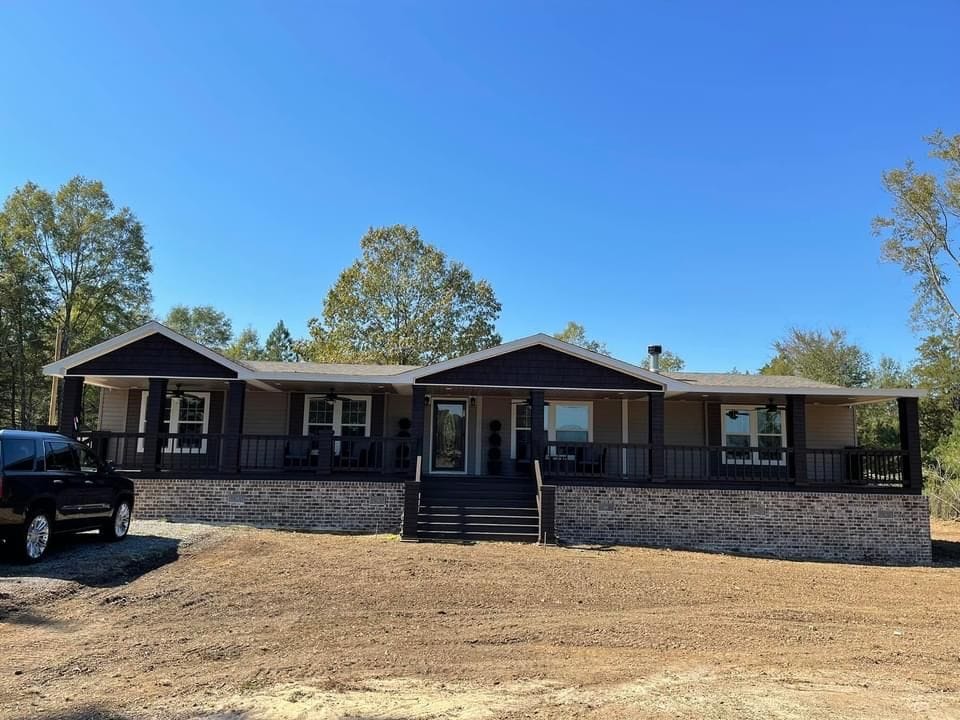
We’ve delivered over 400 homes in Texas over the last decade. We tracked the resale value of 50 of them. The results completely destroy the myth that manufactured homes don’t hold value. When I talk to buyers, they often worry about depreciation, but the secret to long-lasting equity isn’t just the floor plan—it’s what goes underneath the home. An impeccably installed foundation makes all the difference, and that starts with understanding exactly how your home’s support system works.
Why Does Correct Pier Spacing Matter for Texas Mobile Homes?
Short answer: Proper pier spacing distributes the immense weight of the home evenly, preventing the chassis from warping, the floors from dipping, and the walls from cracking over time.
When we set up a typical pier-and-beam foundation, we aren’t just stacking blocks and calling it a day. We are accounting for the dead weight of the home itself, plus the live weight of the occupants and their furniture, and even the roof load during a freak winter storm. If the piers are placed too far apart, the steel I-beams under the home can literally bow over time. Our local soil—especially the heavy, expansive clay found in many regions—is notorious for shifting, shrinking, and swelling. Properly spaced blocks ensure that when the earth moves, the home’s weight is distributed safely and the chassis remains perfectly level.
How Do TDHCA Standards and High-Wind Zones Dictate Installation?
Short answer: State agencies strictly regulate installation spacing and tie-down requirements to ensure homes can survive severe weather, especially in coastal or hurricane-prone high-wind zones.
The Texas Department of Housing and Community Affairs (TDHCA) doesn’t guess when it comes to safety—and neither do we. Every single home we sell comes with a highly specific, engineer-stamped foundation plan. This manual dictates the exact maximum distance between supports. Furthermore, in higher wind zones, it dictates the anchor spacing needed to keep the home tethered to the earth. A heavy-duty tie-down strap must be attached to the frame and anchored deep into the ground at precise intervals. It’s not just a recommendation; it’s the law. For a deeper, official look at how these rules keep you secure, you can read the [PDF] Protecting Manufactured Homes from Floods and Other Hazards manual.
The Mechanics of the Setup: Perimeters, Crawlspaces, and Loads
Short answer: Beyond the main I-beams, additional supports are placed around the exterior and beneath heavy-load areas to prevent sagging and structural stress.
Most buyers assume all the weight sits on the two steel beams underneath the home. However, large sliding glass doors, heavy soaking tubs, and multi-section marriage lines require extra support. This is where perimeter piers come into play. These are placed strategically along the outer edge of the home to catch the weight of the exterior walls. Meanwhile, managing the crawlspace properly—ensuring good ventilation and a protective vapor barrier—keeps moisture from softening the ground beneath those carefully spaced blocks. Doing the foundation right the first time guarantees that your home is a solid asset. If you are starting to budget for a turn-key project like this, we highly recommend reading The Ultimate Guide: How to Secure Mobile Home Loans for Your First Purchase “Near Me” to help you prepare your finances for a premium, professional installation.
FAQ
How far apart should mobile home piers be?
In most standard setups, piers are placed every 6 to 8 feet along the steel I-beams. However, the exact measurement is strictly dictated by your home’s unique engineering manual and local soil load-bearing capacity.
Do I need perimeter blocking for my mobile home?
Yes, perimeter blocking is often required underneath large windows, sliding glass doors, or heavy appliances. It prevents the outer walls of the home from sagging over time and is required by many high-wind zone building codes.
Can poor pier spacing affect my home’s financing or resale?
Absolutely. If your home’s foundation does not meet state codes or manufacturer specifications, it will fail inspection. This can void your warranty, compromise structural integrity, and prevent future buyers from securing a mortgage.
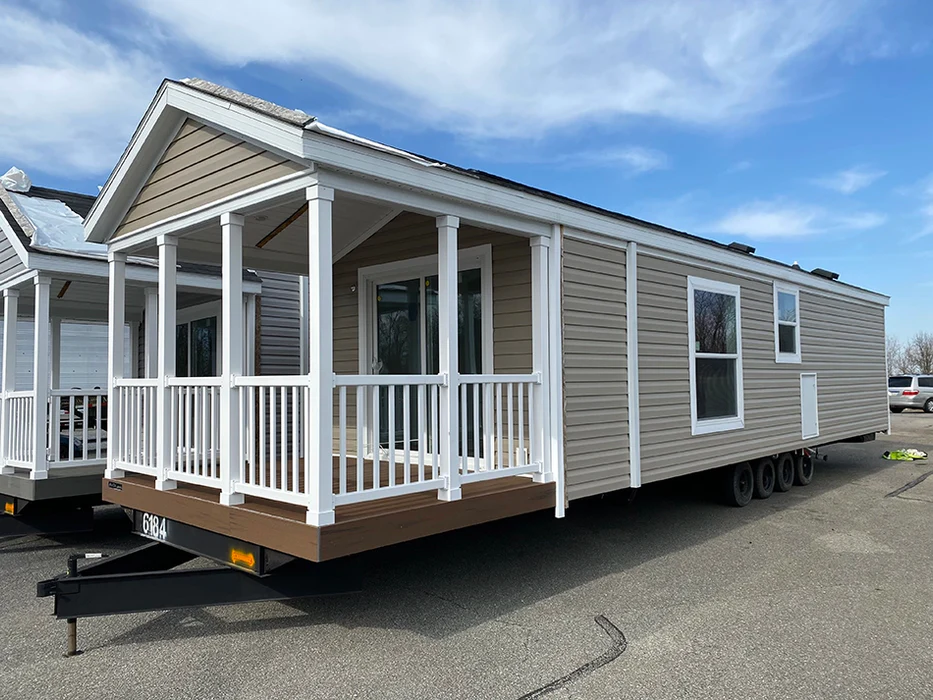
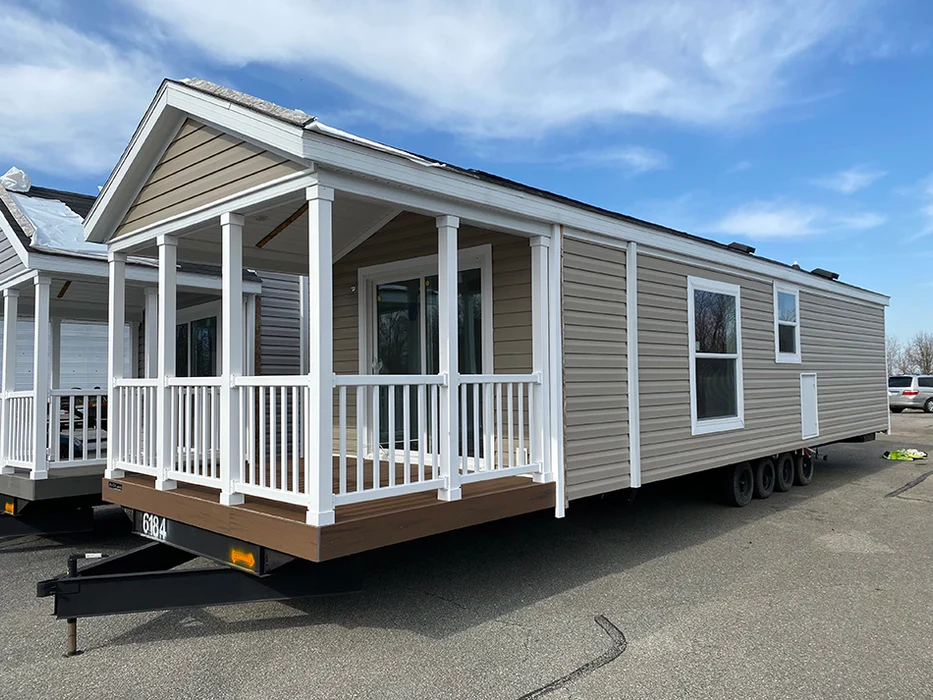
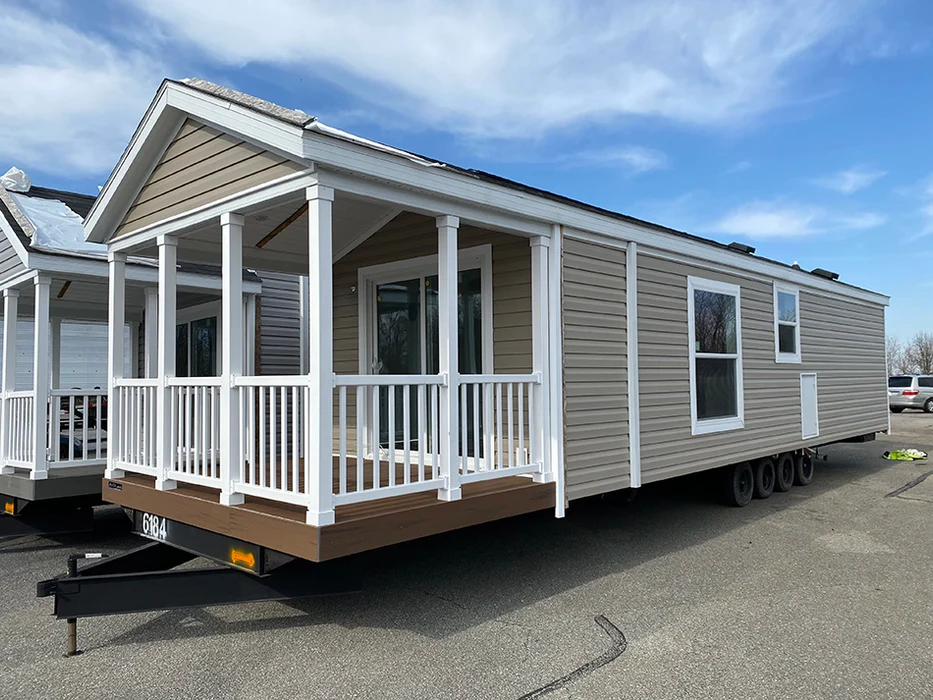
At the end of the day, a beautiful home deserves an unshakeable foundation. Ready to find a home that’s built right and set up to last generations? Check out our Luxury Tiny House (1 Bed, Single Wide) and let our expert team handle the details for you.