
Imagine sitting around the kitchen table late on a Tuesday night. The spreadsheets are open, calculators are out, and coffee cups are scattered everywhere. You and your family are comparing school zones, commute times to the city, bedroom counts, land options, and most importantly, your monthly payment comfort. After weeks of searching, you find the perfect piece of land in California and a beautiful manufactured home to go with it. The budget works. The kids will have a great yard. But then the phone rings, and your loan officer delivers a gut punch: “I’m sorry, but we can’t approve the financing because the post and pier foundation isn’t considered permanent.”
As experts sitting across the desk from buyers every day in 2026, we see this exact scenario play out constantly. Finding the right home is hard enough without getting derailed by misunderstood lending guidelines. Let’s clear up the confusion around California’s Department of Housing and Community Development (HCD) updates and get your family’s dream home across the finish line.
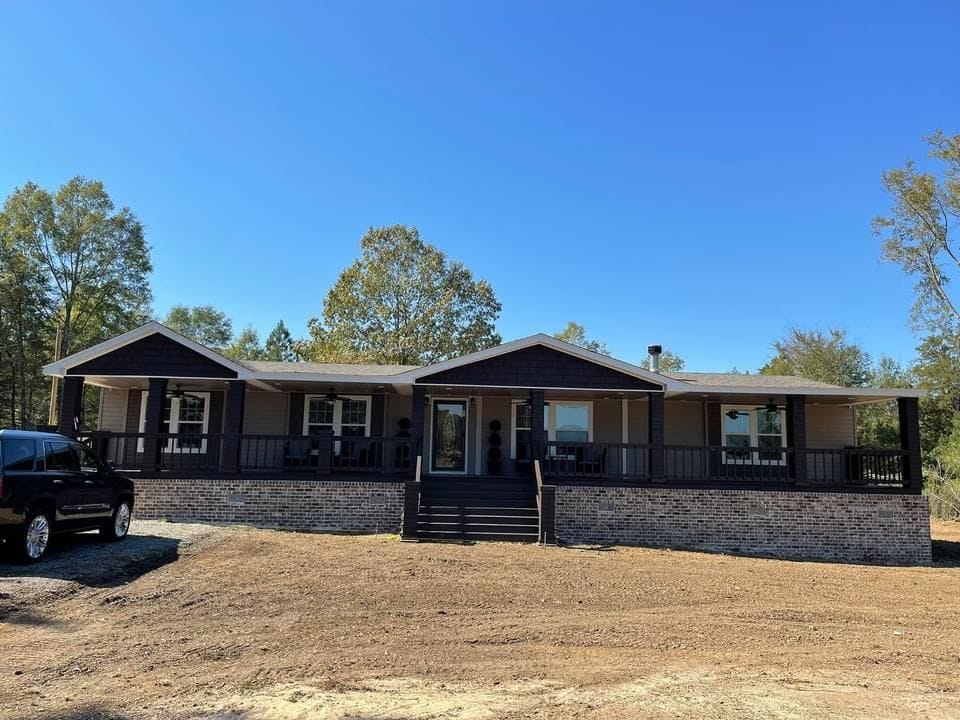
Are Post and Pier Foundations Considered Permanent by California Lenders?
Short answer: Not out of the box. A basic Pier-and-Beam Foundation setup relies almost entirely on the weight of the home—gravity—to keep it in place, which lenders do not view as a permanent attachment to the land.
The myth we hear most often is that all post and pier setups are temporary, disqualifying you from standard mortgages. The reality is much brighter. To qualify as permanent for FHA, VA, or conventional loans, the home simply needs to be structurally tied to the ground. It must be surrounded by an approved perimeter enclosure and formally verified with an Engineered Foundation Certification. Once those boxes are checked, lenders treat the home’s foundation with the same respect as Site-Built Construction.
Why Do Lenders Require Engineered Permanence for Post and Pier?
Short answer: Lenders require engineered permanence to protect their investment from high winds and seismic activity, ensuring the home cannot easily shift or be relocated.
California has strict guidelines for a reason. Without engineered structural tie-downs and a load-bearing perimeter, lenders view Manufactured Housing as vulnerable to shifting during earthquakes. In recent 2026 updates from California’s HCD regarding permanent foundation status, the focus has sharpened on the precise Structural Classification of these homes. The state and the banks want absolute proof that the home is securely anchored before granting long-term financing.
Myth vs. Reality: Navigating the 2026 Lending Updates
The news commentary surrounding recent lending updates often misses the practical reality for buyers. Here is how the rules actually play out when you sit down to sign your loan documents:
- Myth: You can’t get FHA loans on post and pier setups.
- Reality: You absolutely can. Strict FHA/VA Loan Requirements simply demand compliance with HUD’s Permanent Foundations Guide for Manufactured Housing (PFGMH). If your system is engineered, anchored, and utilizes Durable Foundation Materials, it passes the test.
- Myth: Any concrete block setup will satisfy the lender.
- Reality: An inspector needs to see specific tie-downs and an approved permanent skirt. In some cases, proper compliance might also require a HUD-007487 form or equivalent engineer’s certification to guarantee the home meets local wind and seismic zone standards.
For buyers looking to combine modern energy efficiency with secure financing, understanding these rules is critical. You can read more about how permanent setups interact with green loan programs in this comprehensive guide on Financing Energy-Efficient Manufactured Housing.
How to Guarantee Your Financing (Best For / Watch Out For)
If you’re putting a home on private land, you need to know exactly what you are gaining and giving up with your foundation choice.
Best for: Families and rural landowners looking for cost-effective installation. An engineered post and pier system is highly affordable compared to a full poured concrete basement, yet it still fully qualifies for prime mortgage rates when properly certified.
Watch out for: Skipping the engineer’s certification to save a few bucks upfront. Attempting a DIY foundation without the proper paperwork will inevitably trigger a loan denial right before closing. Always insist on an engineered system from day one. For a deeper dive into the specific loan types, read our full breakdown: Is Post and Pier a Permanent Foundation in California? FHA, VA, and Lender Requirements Explained.
Ready to move forward with a home built to last? Explore the gorgeous New Era Chardonnay Modular Home, which pairs beautifully with an engineered permanent foundation. If you need help deciding on a land-home package, navigating foundation engineering, or securing your financing, please reach out via our contact page. We are here to make your family’s decision a smooth reality.
Frequently Asked Questions
Can a standard post and pier foundation be retrofitted to become permanent?
Short answer: Yes. If you have an existing standard post and pier setup, a licensed contractor can install engineered tie-downs, proper anchoring, and a compliant perimeter enclosure. Once the retrofit is completed and reviewed, an engineer can issue the certification required by lenders.
How much does an engineered foundation certification cost in California?
Short answer: In 2026, an engineered foundation certification typically costs between $400 and $800, depending on your specific location and the complexity of the site. This is a vital investment to secure a traditional, low-interest mortgage.
Does a permanent foundation increase the value of a manufactured home?
Short answer: Absolutely. Classifying the home as permanent real estate rather than personal property drastically expands your pool of future buyers. It unlocks standard mortgage products and typically leads to significantly higher appraisal values, mirroring traditional site-built home appreciation.