
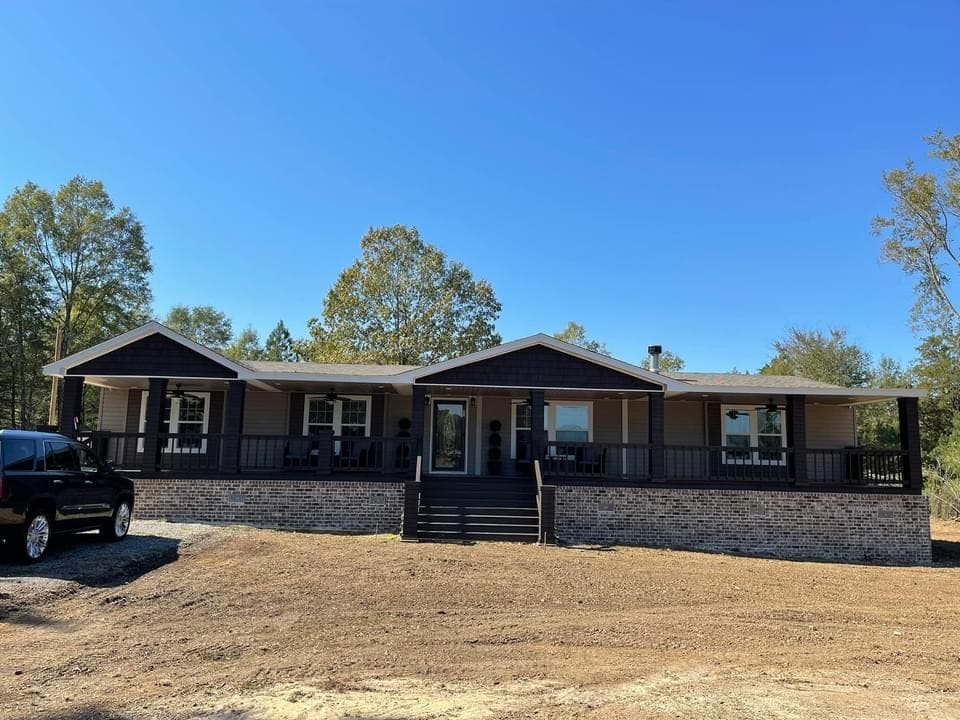
Sitting across my desk right now in 2026, the heartbreak I see most often during our buyer interviews doesn’t usually start with the home itself. It starts with the financing. Just last month, I worked with a buyer named Marcus who had an incredible credit recovery story. Over the previous 14 months, he followed a realistic, strict credit clean-up plan. He patiently paid down high-utilization cards, provided endless documentation to clear a disputed medical collection, and maintained flawless communication with his lender. He did everything right.
Finally, he got his FHA loan pre-approval. He found his dream manufactured home on a gorgeous lot here in California. But right before closing, the underwriter slammed on the brakes and paused the loan. The reason? The appraiser noted the home sat on a standard post and pier foundation.
We see this constantly. Whether you are applying for an FHA loan, a VA loan, or certain conventional mortgages, the rules surrounding what qualifies as a “permanent” foundation can be confusing. Let’s dive into exactly what lenders look for and how you can navigate these hurdles.
What Are the California HCD Rules vs. Federal Lender Requirements?
Short answer: While the state of California may recognize your mobile home as real property once a 433A form is filed, federal FHA and VA lenders require a separate Engineered Foundation Certification proving the home meets the structural standards of the HUD-7584 handbook.
There is a massive divide between state rules and federal lending risk guidelines. In California, when a manufactured home is installed on a foundation system that complies with the official guidelines from the California Department of Housing and Community Development (HCD), you can record a Form 433A. This form effectively turns the home from “personal property” (like a car) into “real property” (real estate), attaching it to the land for local tax purposes.
However, the fact that the HCD accepts your post and pier setup for local code does not mean the bank will risk funding a 30-year mortgage on it. Federal loan guarantors operate on a strict rulebook called the Permanent Foundations Guide for Manufactured Housing (HUD-7584). If an appraiser spots unbraced piers, the bank requires a licensed structural engineer to inspect and certify the setup against federal wind and seismic load standards.
Why Standard Post and Pier Fails the “Permanent” Test
Short answer: A standard post and pier system relies largely on gravity. Without engineered structural tie-downs and a load-bearing perimeter, lenders view the home as vulnerable to shifting during earthquakes or high winds, making it ineligible for long-term financing.
It’s vital to differentiate between “installed” and “permanent.” Basic installation might feature dry-stacked concrete blocks supporting the steel frame. That works fine in a mobile home park where you lease the land, but it falls short of industry standards for land-home mortgages.
For an FHA or VA loan, the foundation must actively resist upward uplift and lateral sliding. If you want to see how these exact federal rules apply across different storm and seismic zones, you can read our related guide: Is a Post and Pier Foundation Permanent? Financing and FHA Guidelines for Florida Mobile Homes. The principles of securing the home are identical, though California engineers focus heavily on seismic bracing best practices.
How to Retrofit and Certify Your Foundation
If you’re buying a home that currently fails the foundation check, you aren’t out of luck. The solution is an engineered retrofit.
Contractors who specialize in mobile home foundations can install Earthquake Resistant Bracing Systems (ERBS), galvanized steel tie-downs anchored into concrete footings, and a compliant perimeter skirt. Once the work is done, a structural engineer will inspect the site and issue an Engineered Foundation Certification. This single piece of paper is the golden ticket your lender’s underwriter is waiting for to clear your loan for closing.
Is an FHA/VA Loan Worth the Foundation Hassle?
When buyers face a $3,000 to $6,000 retrofit bill just to get their loan approved, they often ask us if it’s worth the trouble. Here is a clear breakdown of the tradeoffs to help your decision:
- Best For: First-time buyers, families stretching their budgets, and veterans. Retaining your FHA or VA loan gives you access to ultra-low down payments (0% to 3.5%) and much better interest rates than chattel (personal property) loans.
- Watch Out For: Delays. Retrofits and engineering inspections can push your closing timeline back by 3 to 6 weeks. If you are in a rush to move, this can be incredibly stressful.
In almost every case, securing a traditional 30-year mortgage by fixing the foundation saves you tens of thousands of dollars in interest over the life of the loan. It also massively increases the resale value of the property.
If you’re exploring new home options that come fully certified out of the gate, we highly recommend checking out models like the Pleasant Valley Bridgeport B Modular Home, which is designed to seamlessly integrate with permanent foundations. And if you need help navigating a tough appraisal or finding local California contractors to help with a retrofit, please don’t hesitate to reach out to our team at our contact page.
FAQ
Can I get a conventional loan on a post and pier foundation?
It depends heavily on the lender and the specific loan product (like Fannie Mae’s MH Advantage). However, most conventional land-home mortgages still require an Engineered Foundation Certification to ensure the home won’t shift during extreme weather or seismic events.
How much does an Engineered Foundation Certification cost in California?
In 2026, hiring a licensed structural engineer to inspect your foundation and issue the certification typically costs between $450 and $800. If the foundation fails the inspection and requires retrofitting, the contractor work will be an additional expense.
Does a recorded 433A form guarantee my FHA loan will be approved?
No. The 433A form is a state-level California document proving the home is attached to the land for property tax and local code purposes. FHA lenders still require independent verification that the physical foundation itself meets federal HUD-7584 structural guidelines.
Who pays for the foundation retrofit: the buyer or the seller?
This is entirely negotiable. In a competitive seller’s market, buyers often pay for the retrofit to secure their FHA/VA financing. However, many buyers successfully negotiate to have the seller cover the cost (or split it) by writing the retrofit requirement into the purchase agreement contingencies.