BUYER INTERVIEW INSIGHT: The concern we hear most from buyers sitting across my desk right now in 2026 is always the same: “I found the perfect home, my credit is great, but the bank just denied my loan because of the foundation.”
Based on our recent dealership client survey, the primary confusion buyers have is understanding the difference between lender-approved permanent foundation systems and traditional pier sets in Florida. We see buyers practically in tears because a beautifully remodeled manufactured home gets flagged by an appraiser. Let’s clear up the confusion so you can get approved and get your keys.
What is the Difference Between a Standard Pier Set and a Permanent Foundation?
Short answer: A standard pier set rests the home on stacked concrete blocks (piers) with standard ground anchors. A permanent foundation is an engineered system where the home is permanently attached to the earth, distributing the load so it cannot be moved without major structural alteration.
When you place a manufactured home on a piece of land, it almost always starts with a Pier and Beam Foundation. This is the industry standard. However, to the FHA (Federal Housing Administration) and VA (Department of Veterans Affairs), simply resting a home on concrete blocks does not make it real estate.
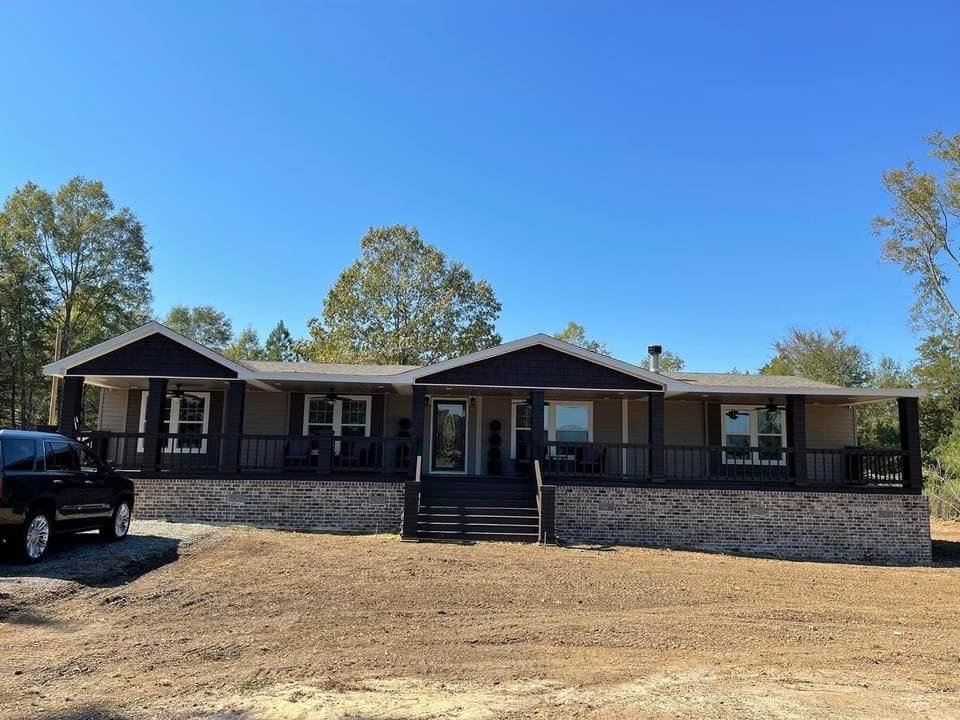
To upgrade a standard pier setup into a recognized permanent foundation, the system must comply with the HUD Permanent Foundation Guide for Manufactured Housing. This usually means installing a specialized retrofit system (like an Earthquake Resistant Bracing System or specialized tie-downs) and a permanent masonry or approved skirting perimeter that keeps pests and moisture out while handling the state’s extreme weather.
Why Do FHA and VA Loans Require an Engineered Foundation Certification?
Short answer: Government-backed lenders need guaranteed proof that your home won’t blow away in a hurricane or settle dangerously into the soil. The engineer’s certification is that legal proof.
Whether you’re applying for an FHA loan, a VA loan, or even certain types of Conventional Mortgage Financing, lenders must follow strict federal risk guidelines. The rulebook they use is the HUD-7584 (Permanent Foundations Guide for Manufactured Housing). If the appraiser notes that your home is on a post and pier system, the underwriter will immediately pause the loan until a licensed structural engineer inspects it.
We tell our clients constantly: poor foundational setup is a dealbreaker. As we’ve warned buyers before, if your home’s foundation does not meet state codes or manufacturer specifications, it will fail the FHA appraisal inspection. This failure can void your warranty, compromise structural integrity, and entirely prevent you from securing your mortgage. The engineer ensures that the home’s weight distribution, anchors, and skirting meet all federal and local codes.
For more technical details on how appraisers report these foundation types to lenders, you can review the [PDF] Appraisal Report and Data Delivery Guide – HUD.
Making it Work: Florida Wind Zones and Pier Requirements
Living in Florida means your manufactured home is subject to some of the strictest wind zone requirements in the country (typically Wind Zone II or III). Because of this, a standard anchor setup that might pass in Ohio will absolutely fail a Florida inspection.
To secure the required Engineered Foundation Certification, your post and pier system will likely need:
- Longer ground anchors specifically rated for Florida’s sandy or high-water-table soils.
- Heavy-duty strapping tying the steel frame directly to the concrete footers.
- Precise pier spacing that supports the specific weight and wind-load of the home.
If you’re wondering how the layout of these blocks actually impacts the loan, you must read our deep-dive: How Foundation Pier Spacing Impacts Your Manufactured Home Purchase: A Buyer’s Guide.
Foundation Tradeoffs: Which Route is Right for You?
Understanding the tradeoffs between keeping a standard setup versus paying for a permanent retrofit is crucial for your timeline and budget.
- Cost: A standard post and pier set is cheap and included in most basic setups. Retrofitting to meet HUD permanent guidelines can cost anywhere from $2,500 to $6,000 depending on the perimeter wall.
- Financing: Standard setups limit you to chattel (personal property) loans or cash. Permanent foundations open the door to low-interest FHA, VA, and conventional mortgages.
- Speed: A standard set can be done in days. Getting an engineer out to certify a permanent foundation can add 1 to 3 weeks to your closing process.
Best for / Watch out for:
A permanent foundation is Best for buyers looking for long-term residential financing, lower interest rates, and maximum resale value. Watch out for homes in older parks; retrofitting an older home’s foundation to meet 2026 HUD standards can sometimes uncover costly frame issues. If you are a cash buyer in a land-lease community, a standard pier setup is perfectly fine and highly cost-effective.
FAQ
Can I get an FHA loan without an Engineered Foundation Certification?
No. If the manufactured home is going to be financed with an FHA or VA loan, a licensed structural engineer must certify that the foundation meets HUD guidelines. There are no exceptions or waivers for this rule.
How much does an engineered foundation certification cost in Florida?
Typically, the inspection and stamped certification letter cost between $400 and $800. However, if the engineer finds that your post and pier foundation is not compliant, you will have to pay a contractor to install retrofits before they will issue the passing stamp.
Will concrete skirting make my mobile home foundation permanent?
Not by itself. While brick, block, or concrete skirting is often a requirement for a permanent foundation, the actual framing must be properly anchored and tied to the earth. The skirting is just the protective perimeter; the anchors and strapping do the heavy structural lifting.
Who orders the foundation inspection, the buyer or the seller?
Usually, the buyer pays for the inspection as part of their loan closing costs. However, if the home fails, it becomes a point of negotiation on who pays for the required foundation repairs.
Ready to find a home that meets all lender guidelines right out of the gate?
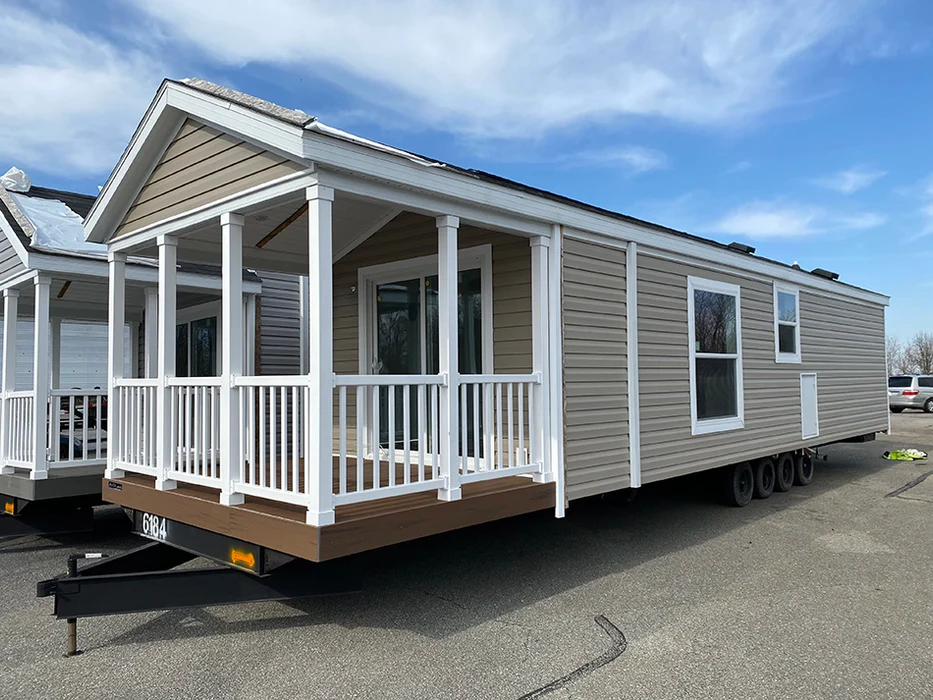
Skip the foundation headaches with a home built for permanent placement. Check out the Pleasant Valley Kennebunk II Modular Home—designed for absolute structural integrity.
If you’re dealing with financing hurdles or need an expert to guide your Florida setup, reach out to us directly through our Contact Page. We’ve helped hundreds of buyers navigate these exact loan requirements, and we’re here to help you too.