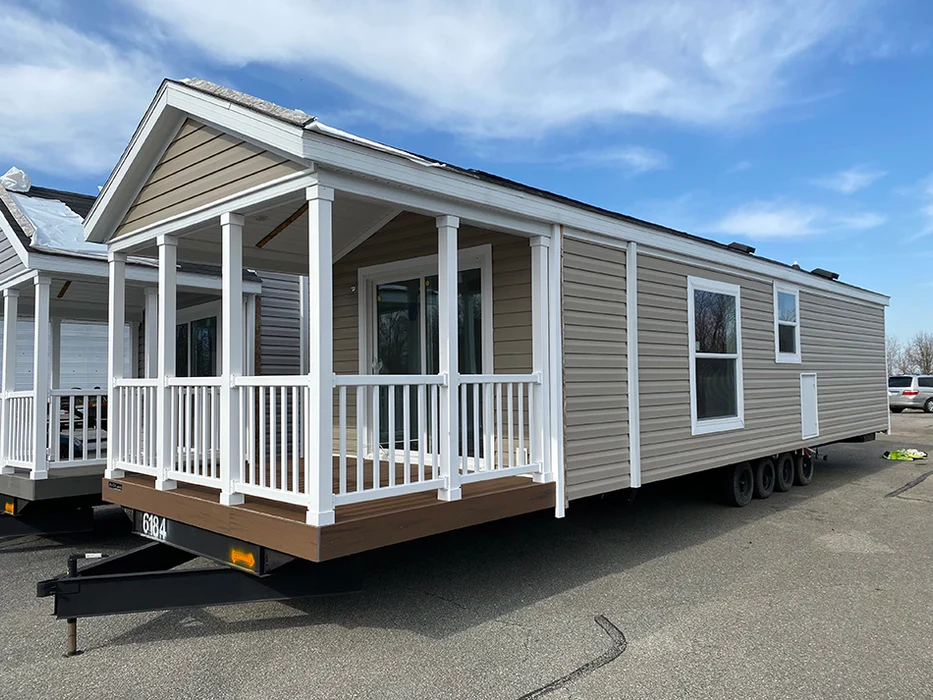
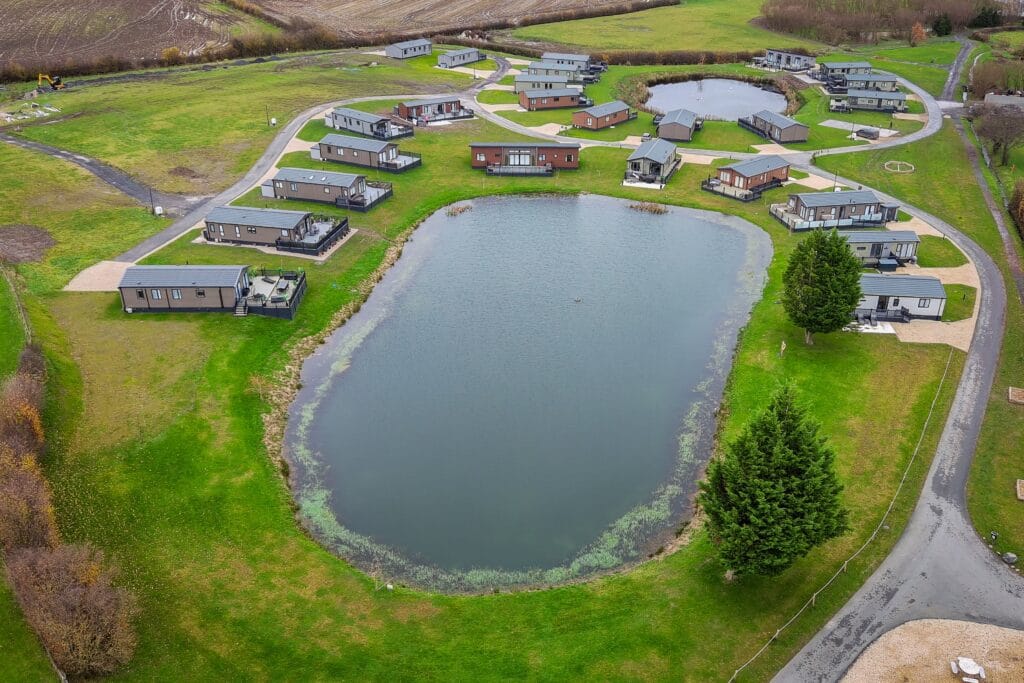
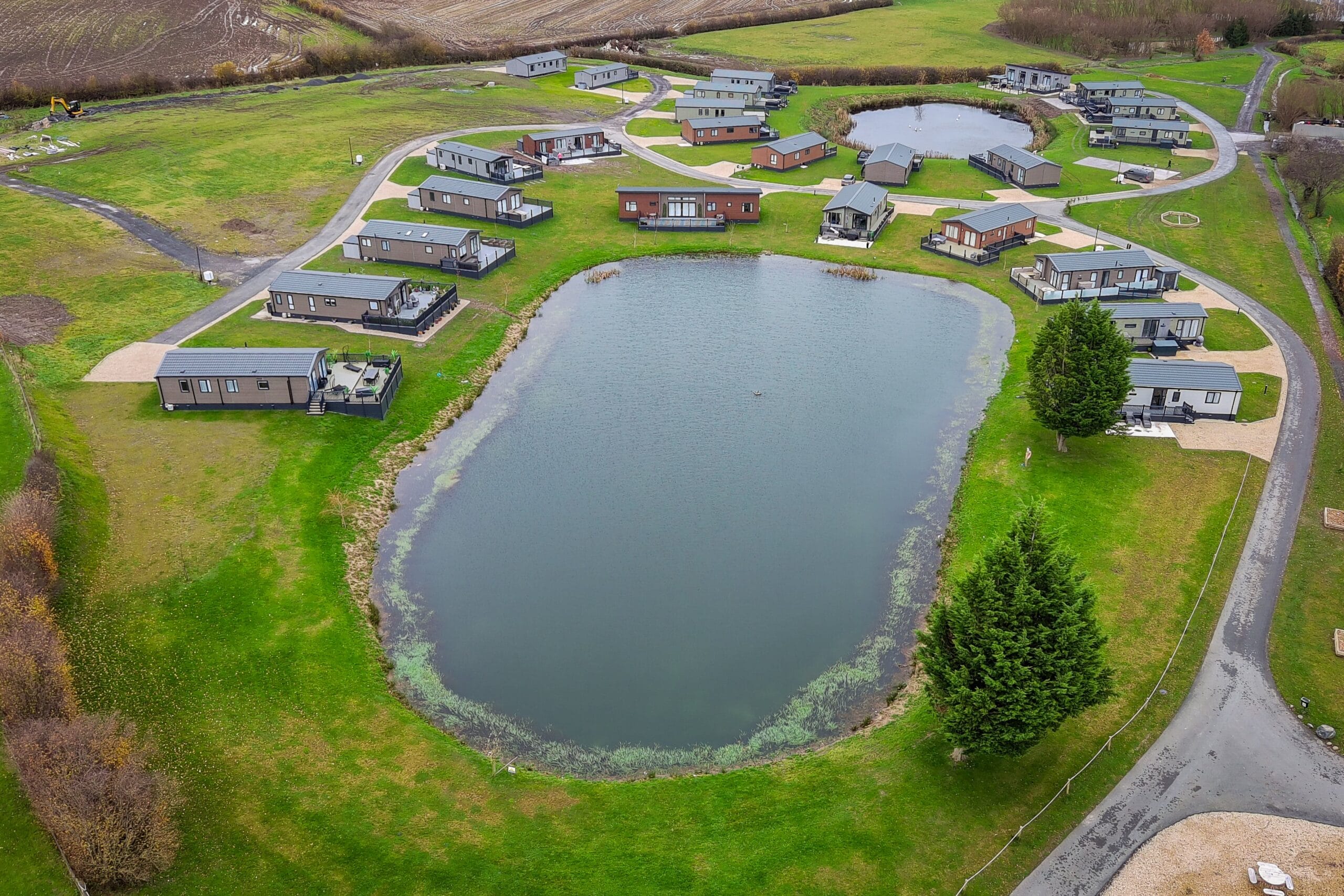
I still remember the day David and Maria walked into our dealership office, looking completely defeated. They had found the perfect 55+ land-lease community, picked out a gorgeous double-wide, and went straight to their long-time local bank for a mortgage. The loan officer flat-out rejected them.
The bank gave them two reasons: First, “we don’t write mortgages for homes on leased land.” Second, an old, disputed medical collection was quietly dragging David’s credit score down just below the bank’s strict threshold. They thought their dream of affordable community living was dead.
We sat down, poured some coffee, and built a realistic recovery plan. I explained that manufactured home financing requires a specific approach. Over the next six months, we worked together with patience. We helped them clear up the medical debt documentation, keep their credit utilization low, and secured a pre-approval from a specialized lender who understood land-lease communities. Today, they are happily sitting on their front porch. Having walked hundreds of buyers through this exact process, I want to show you how you can secure a loan for a mobile home in a park, even if you’ve been turned away before.
Why is Financing a Mobile Home in a Park Different?
Short answer: When you place a home in a park, you are renting the lot beneath it, which changes how the law and lenders view your home.
Because the home is not permanently affixed to land you own, it is classified as personal property, not real estate. This means it lacks a real property classification. Conventional mortgages are designed exclusively for real estate (land plus the home permanently attached to it). Therefore, you cannot get a conventional mortgage for a home in a leased park.
While land-owning buyers might look into FHA Title II loans or the Fannie Mae Manufactured Home Advantage program, those living in a park will rely on specialized personal property loans. It is crucial to know this difference before you apply, so you don’t waste time getting rejected by lenders who only deal in traditional real estate.
What Are Your Manufactured Home Financing Options?
Short answer: Most buyers in a park will use either a chattel loan or a government-backed FHA Title I loan to finance their purchase.
Here is a detailed breakdown of the financing paths available to you as a park resident in 2026:
- Chattel Loans: This is the most common form of financing for homes in land-lease communities. A chattel loan is specifically designed for movable personal property. The lender uses the home itself as collateral, completely separate from the land. They generally have shorter terms (10 to 20 years) and slightly higher interest rates than traditional mortgages, but the closing process is typically much faster.
- FHA Title I Loans: Backed by the government, these loans are specifically for the purchase of a manufactured home on leased land. They often offer more competitive interest rates and lower down payment requirements than standard chattel loans. You can read more about the specifics directly through Financing Manufactured Homes (Title I) – HUD.
- Unsecured Personal Loans: While possible, this is incredibly rare for a full home purchase due to the high loan amounts and higher interest rates. Before assuming you can just walk into a bank and swipe a personal line of credit, check out our guide: Can You Get a Personal Loan for a Mobile Home in a Leased Park? Your Florida Financing Guide.
How Does the Park Lease Agreement Affect Your Approval?
Short answer: Lenders need to know your home won’t be suddenly evicted, so they require the park to offer a lease term that generally matches or exceeds your loan term.
Lenders carry risk when financing a home on someone else’s land. If the park owner decides to sell the park or terminate leases, the lender’s collateral (your home) is suddenly in jeopardy. Because of this, modern credit underwriting standards for park loans heavily scrutinize the lease agreement.
Most FHA Title I and specialized chattel lenders will require the park community to sign a specific lease agreement—often a 3-year minimum lease, or a lease that matches the duration of the loan. As an expert dealership, we work directly with park managers to ensure the lease documentation meets the lender’s exact requirements, saving you the headache of playing middleman.
How Do You Match Your Credit Profile to the Right Loan?
Short answer: Government-backed loans like FHA Title I are best for lower down payments but have strict park rules, while chattel loans offer more flexibility for varied credit profiles.
Making a smart decision means understanding the tradeoffs of your financing options based on your current financial health.
Best for / Watch out for:
- Best for buyers with average credit and limited cash: FHA Title I loans are highly attractive because they typically allow for lower down payments (often around 5%). Watch out for: The park must meet strict HUD guidelines and be willing to sign specific long-term lease agreements, which not all private parks will do.
- Best for buyers needing flexibility or buying in a private, non-HUD park: Chattel loans. Private lenders have more flexibility in approving varied credit profiles and park situations. Watch out for: You will likely need a higher down payment (10% to 20%) and face a slightly higher interest rate.
- Best for buyers with recent credit dings: A patient, documented recovery plan. Just like David and Maria, if your score is hovering below 600, taking 3 to 6 months to aggressively pay down revolving debt and clear collections will drastically lower your interest rate and save you thousands over the life of the loan.
Ready to Get Approved for Your New Home?
Navigating park requirements, down payments, and loan applications shouldn’t be something you do alone in the dark. We handle the heavy lifting. If you are ready to explore beautifully crafted homes that fit these financing profiles perfectly, take a look at the New Era Chardonnay Modular Home—a favorite for upscale park living.
If you have questions about your credit score, need help talking to a park manager, or want to start a pre-approval application, reach out to us today at our Contact Page. We’ll build a roadmap just for you.
Frequently Asked Questions
Do I need a down payment for a mobile home in a park?
Yes, almost all lenders require a down payment. For an FHA Title I loan, you can expect to put down around 5%. For a traditional chattel loan, expect to pay between 10% and 20% down depending on your credit score and the age of the home.
Can I get a traditional mortgage if I rent the lot?
No. Traditional mortgages are strictly for real estate, which legally includes the land. Because you are renting the lot in a park, the home is considered personal property. You must use a personal property loan, such as a chattel loan.
Are interest rates higher for mobile homes on leased land?
Yes, interest rates for chattel loans are generally 1% to 2% higher than traditional real estate mortgages. This is because lenders view personal property as a slightly higher risk and the loans have shorter repayment periods.
How long can you finance a manufactured home in a community?
Most chattel loans for homes in land-lease communities have terms ranging from 10 to 20 years. FHA Title I loans for a multi-section home can extend up to 20 years. Shorter terms mean higher monthly payments but less interest paid over time.