main

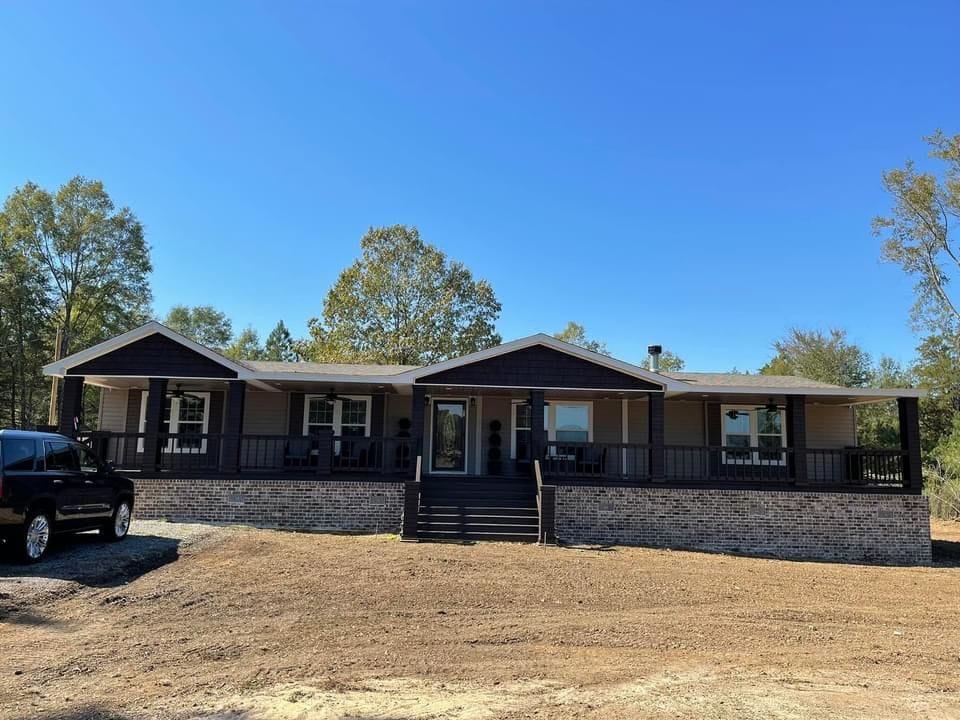
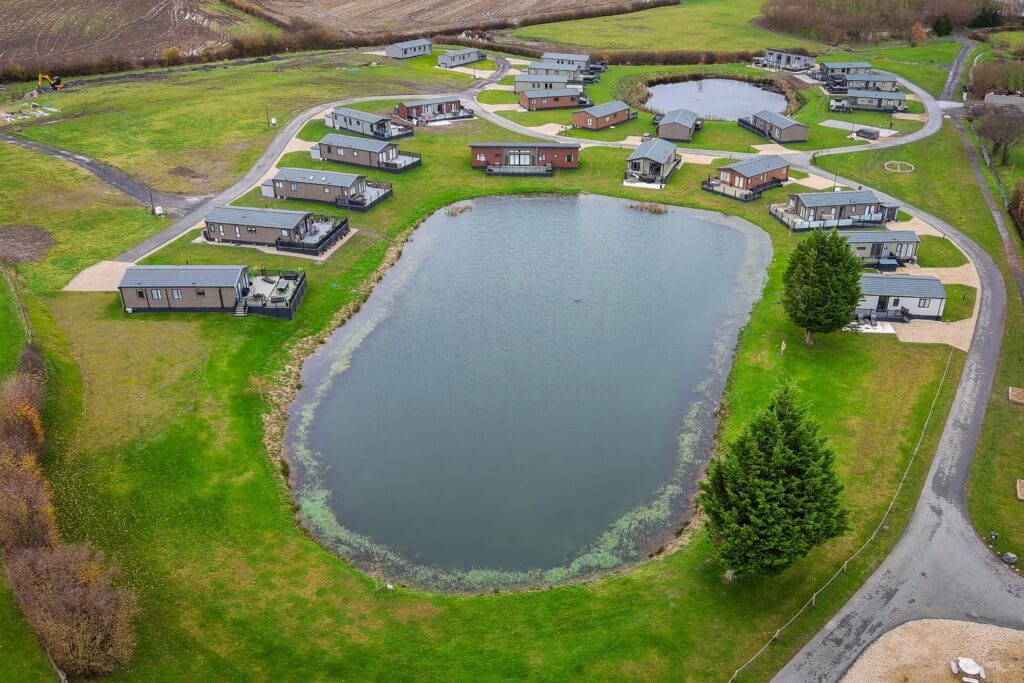
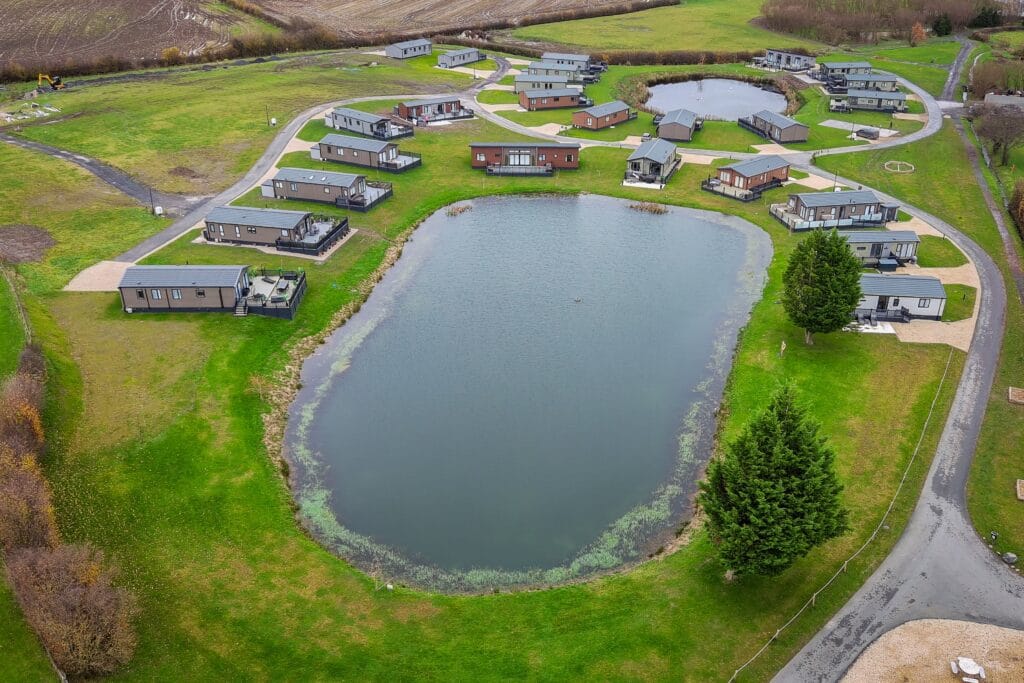
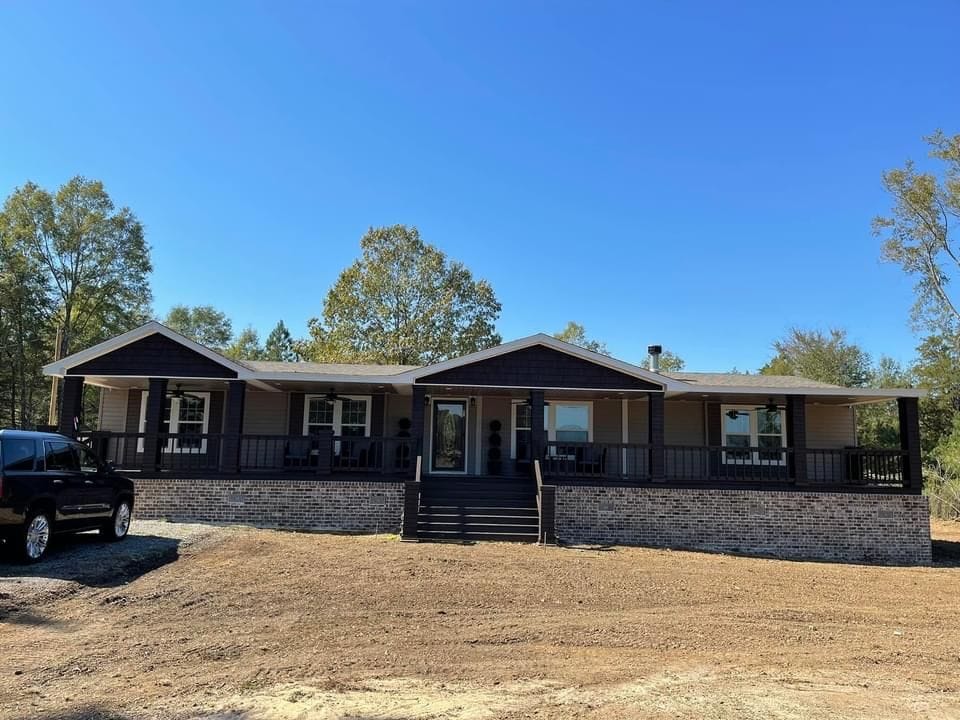
A mobile home correctly installed within a well-maintained residential land-lease community.

Can You Get a Loan for a Mobile Home in a Park? Your Financing Options Explained

Quick Answer: Yes, you can get a loan for a mobile home in a park, but you cannot use a traditional mortgage. Because you will be renting the lot, the home is classified as personal property, not real estate. Instead, buyers typically finance their park homes using a chattel loan or an FHA Title I […]

Can You Get a Loan for a Mobile Home in a Park? Your Financing Options Explained Read More »

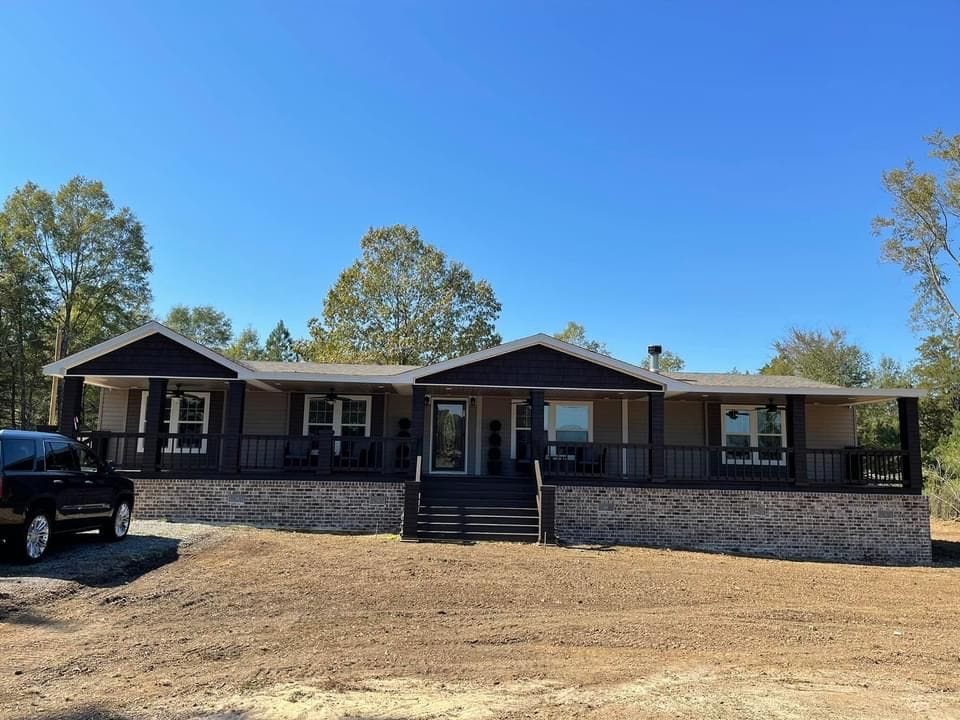
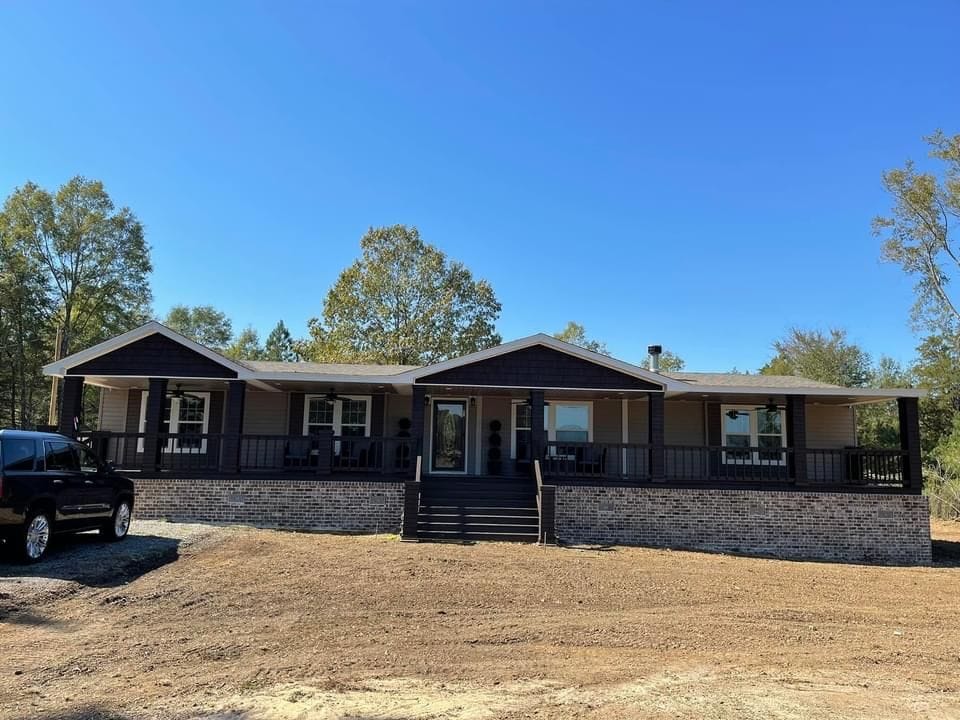
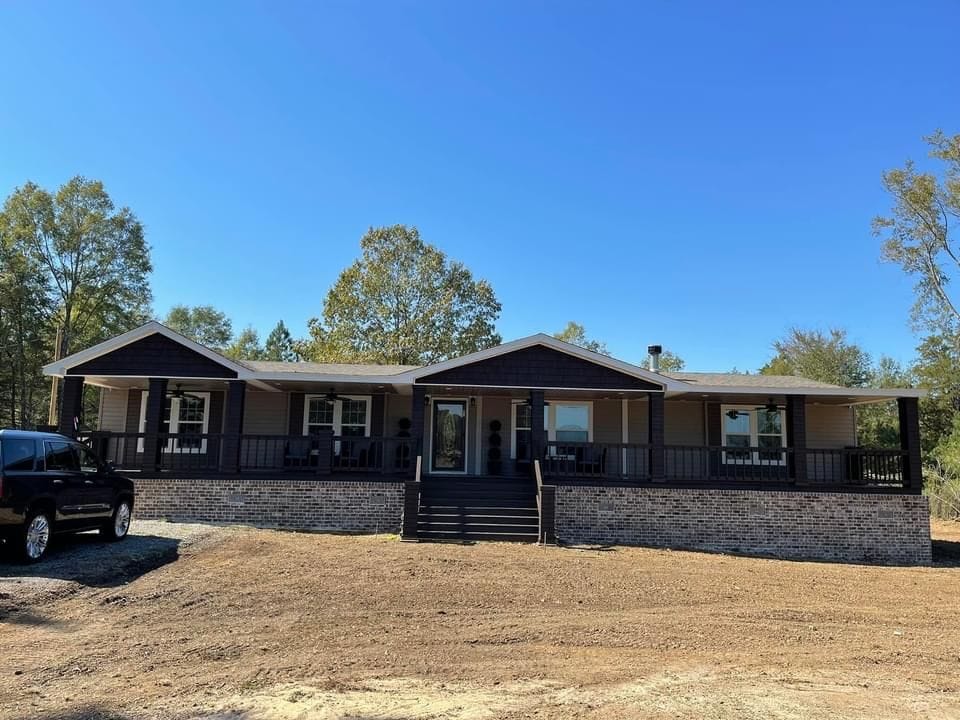
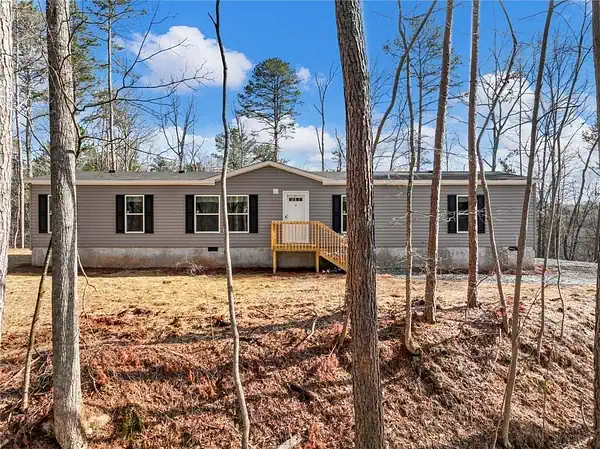
A double-wide mobile home showing its foundation structure and exterior siding.

2026 Mobile Home Foundation Leveling: The Ultimate Buyer’s Checklist for Long-Term Stability

Quick Answer: Mobile home foundation leveling is a routine but critical maintenance task that ensures the long-term stability of your home. A reliable buyer’s checklist involves checking for doors that won’t close, cracked drywall, and uneven floors. Releveling typically costs between $500 and $1,500, making it an affordable repair that prevents major structural failure when

2026 Mobile Home Foundation Leveling: The Ultimate Buyer’s Checklist for Long-Term Stability Read More »

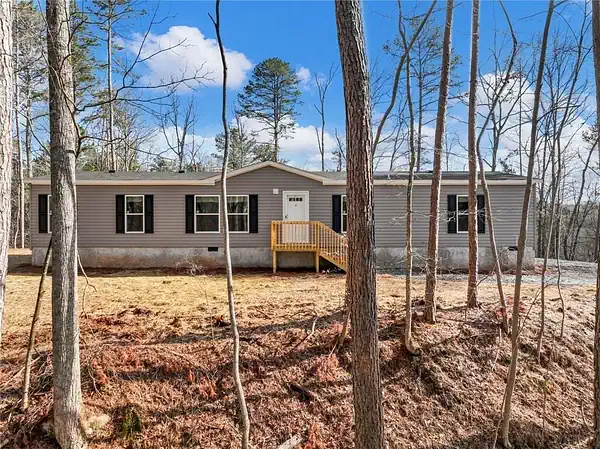
A double-wide mobile home exterior view representing common mobile home foundation and leveling types.

Single-Wide vs. Double-Wide: Professional Mobile Home Leveling Costs in Texas

Quick Answer: Generally, the cost of professional manufactured home leveling ranges between $600 and $1,500. This depends on whether you have a single-wide or double-wide, the severity of the foundation settlement caused by shifting Texas soil, and if your pier shims need total replacement. Hiring licensed professionals protects your home’s structural integrity and is surprisingly

Single-Wide vs. Double-Wide: Professional Mobile Home Leveling Costs in Texas Read More »

Side profile of a mobile home showing pier support system and leveling.

2026 Standards for Mobile Home Pier Support Systems: What Florida Homeowners Need to Know

Quick Answer: For 2026, Florida’s mobile home pier support systems must strictly align with updated high-wind zone anchoring regulations and elevated coastal flood requirements. While standard pier spacing remains 6 to 8 feet, exact placement is dictated by the manufacturer’s engineering manual, requiring certified CMU piers and upgraded ground anchors to secure hurricane insurance compliance.

2026 Standards for Mobile Home Pier Support Systems: What Florida Homeowners Need to Know Read More »

Pier Shim Failure Trends: Why Modern Inspection Standards Are Shifting in 2026

We recently sat down with a typical first-time buyer in our local area let’s call him Mark who called us in a panic. Mark purchased a beautiful pre-owned manufactured home a few years ago. During our interview, he described the creeping dread of hearing his floors suddenly squeak and watching his front door slowly refuse

Pier Shim Failure Trends: Why Modern Inspection Standards Are Shifting in 2026 Read More »

A double-wide manufactured home elevated on a pier and beam foundation system.

Pier and Beam vs. Concrete Slab Foundations: Which is Best for Your Manufactured Home?

Quick Answer: Pier and beam foundations are cost-effective, faster to install, and offer superior accessibility for under-home plumbing repairs and future leveling. Concrete slab foundations are highly durable and prevent ground moisture issues, but they come with a significantly higher upfront cost. Your choice depends on your budget, local soil conditions, and long-term financing goals.

Pier and Beam vs. Concrete Slab Foundations: Which is Best for Your Manufactured Home? Read More »

A double-wide mobile home requiring inspection for foundation pier shim alignment.

Is Your Mobile Home Settling? 5 Signs You Need New Pier Shims in California

Quick Answer: The top 5 signs your mobile home is settling include doors or windows that stick, visible subfloor deflection (spongy or creaking floors), cracks forming in the drywall, skirting that bows or buckles outward, and unlevel countertops. Addressing these signs early by replacing your pier shims prevents severe structural damage and ensures your home

Is Your Mobile Home Settling? 5 Signs You Need New Pier Shims in California Read More »

Side profile of a mobile home showing foundation and structure for leveling.

Mobile Home Foundations in Florida: A Guide to Piers, Leveling Shims, and Hurricane Compliance

Quick Answer: A properly installed mobile home foundation in Florida relies on precisely spaced CMU piers along the steel I-beams, secure hardwood or high-impact plastic leveling shims, and rigorous HUD-compliant tie-down anchors. Improper setups, such as using cheap untreated wood shims, can stress a home’s frame, warp doors, and completely invalidate your warranty and state

Mobile Home Foundations in Florida: A Guide to Piers, Leveling Shims, and Hurricane Compliance Read More »

Comfort Mobile Homes - Construction photo by C Dustin on Unsplash

Wood vs. Steel Shims: Choosing the Best Foundation Leveling Material for Florida Mobile Homes

We’ve delivered over 120 homes in Florida over the last decade. We tracked the resale value of 50 of them. The results completely destroy the myth that manufactured homes don’t hold value. But as a dealer who has crawled under hundreds of these homes, I can tell you exactly why those specific homes retained top

Wood vs. Steel Shims: Choosing the Best Foundation Leveling Material for Florida Mobile Homes Read More »

A double-wide mobile home exterior showing the structure resting on foundation piers.

Mobile Home Pier Spacing Requirements in North Carolina: A Foundation Guide

Quick Answer: In North Carolina, mobile home pier spacing typically follows the industry standard of 6 to 8 feet along the steel I-beams. However, the exact distance is strictly governed by your home’s unique engineering manual, local wind zone anchoring requirements, and the load-bearing capacity of your specific soil. Professional installation ensures compliance with state

Mobile Home Pier Spacing Requirements in North Carolina: A Foundation Guide Read More »

Financing Options Payment Calculator

Estimated Payment

$
%
%

Estimated Monthly Payment

$928

Down Payment $11,500
Total Financed $103,500