The Magic of Delivery Day (And the Prep That Makes It Happen)
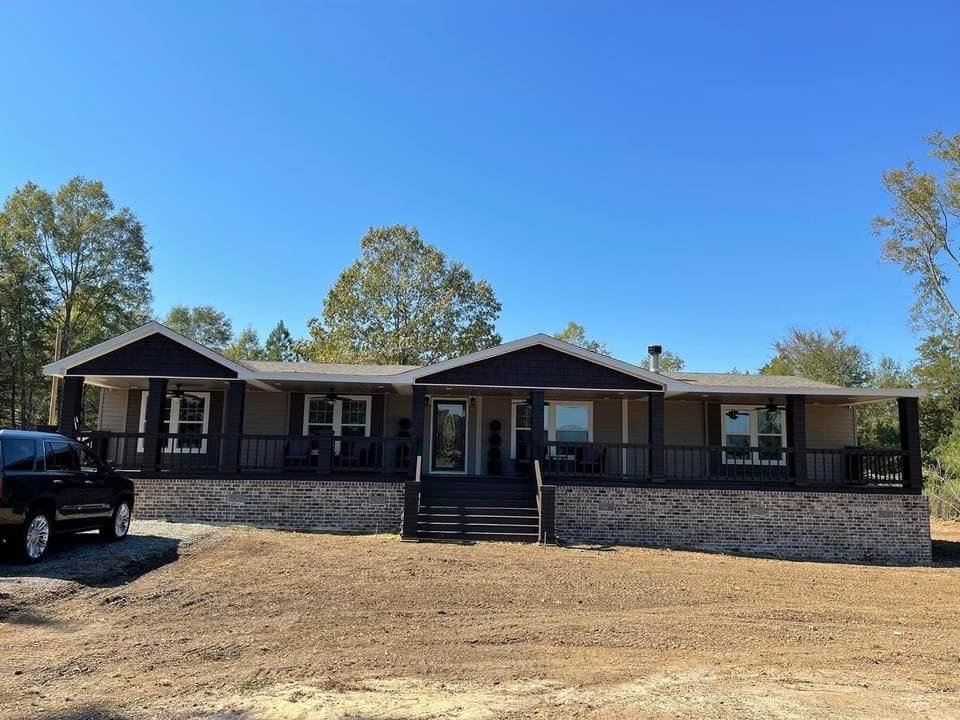
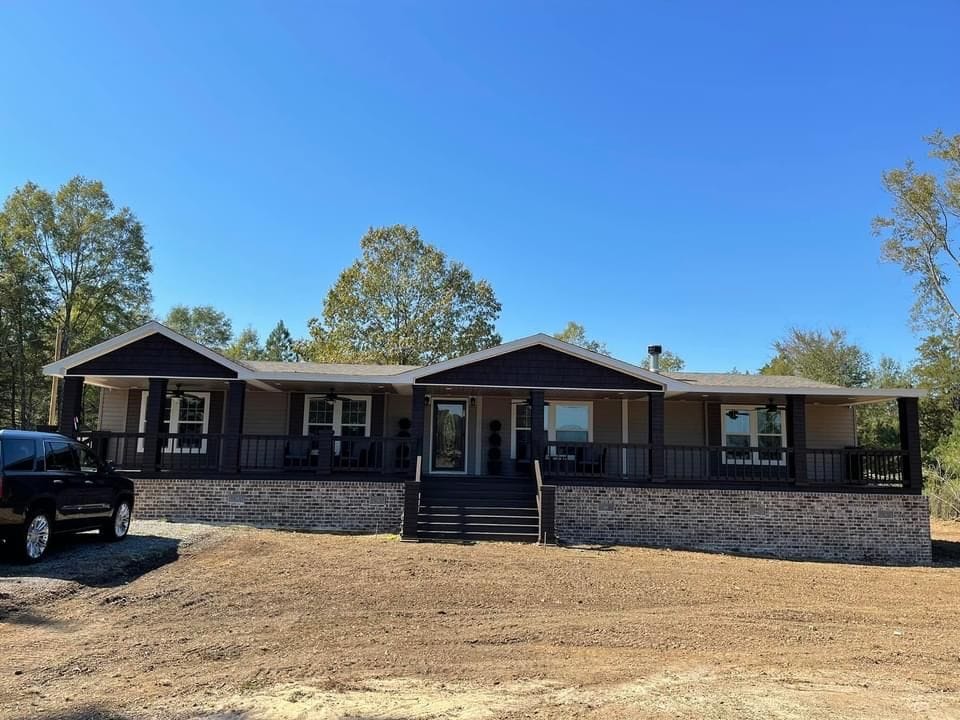
There is nothing quite like delivery day. I still remember standing with the Miller family last spring in the high desert of California, watching their beautiful new multi-section home slowly roll down the driveway. The dust was swirling, the sun was bright, and the sheer emotion on their faces as they saw their future arrive on-site was unforgettable. The relief, the excitement, the realization that their dream was finally tangible—it’s why we do what we do.
But as a dealer who has overseen hundreds of these installations, I know a secret: the real magic of delivery day starts long before the trucks ever arrive. It starts in the dirt. Before you can unlock your front door, you have to absolutely nail the mobile home setup. Specifically, you need a flawless pier-and-beam foundation that perfectly complies with California’s strict HCD (Department of Housing and Community Development) standards. Overlooking this vital step can delay your move-in date, fail your local inspection, and put your family’s investment at risk.
What Are the Exact Mobile Home Pier Spacing Requirements in California?
Short answer: While the industry standard rule of thumb spaces structural piers every 6 to 8 feet along the frame, the exact required distance is strictly governed by your home’s unique engineering manual and the specific soil conditions of your lot.
In California, we deal with diverse topographies—from sandy coastal lots to rocky mountain terrains and seismic zones. The HCD requires that structural spacing be mathematically precise to support the dead weight (the home itself) and the live weight (your family, furniture, and snow on the roof). Rather than guessing, our installation crews measure out spacing down to the inch, ensuring that every block or steel jack supports the chassis perfectly.
Why Does Precise Pier Spacing Matter So Much?
Short answer: Proper pier spacing distributes the immense weight of the home evenly, preventing the chassis from warping, the floors from dipping, and the walls from cracking over time.
We’ve seen what happens when corners are cut. If the spacing is too wide, the steel I-beams can sag under the pressure. This can lead to doors that won’t shut, windows that crack, and a voided factory warranty. A professional setup integrates robust manufactured home anchoring and tie-down systems that work hand-in-hand with your piers. Together, these elements anchor your home firmly against high winds and seismic activity, transforming a mobile structure into a permanent, unshakeable residence.
How Does Soil Load-Bearing Capacity Affect the Foundation?
Short answer: If your soil is soft or expansive, it has a lower load-bearing capacity, meaning you will need larger foundation footers or closer pier spacing to prevent the home from sinking.
Before a single block is stacked, the soil’s load-bearing capacity must be tested or assumed at a conservative state minimum. This dictates the size of the ABS or concrete pads placed beneath your piers. For lots requiring extra support, we implement proper foundation shoring to ensure the ground doesn’t shift underneath the block columns. For an excellent technical breakdown on mitigating foundational risks, I highly recommend reading this resource: [PDF] Protecting Manufactured Homes from Floods and Other Hazards.
What About Perimeter Blocking for Heavy Loads?
We often get asked if the main I-beam supports are enough. The truth is, modern manufactured homes feature stunning architectural elements that are exceptionally heavy. Perimeter blocking is crucial—and often required by local codes—underneath large sliding glass doors, oversized windows, and heavy appliances like a kitchen island or a deep soaking tub. This secondary support stops the outer walls of the home from sagging.
If you’re curious about how foundation rules differ by region, you can compare these state requirements by reading Understanding Mobile Home Pier Spacing: A Texas Buyer’s Guide to Foundation Safety.
Getting Ready for Your Own Delivery Day
Working with an expert dealer ensures that your home passes its HCD compliance inspection on the very first try. We handle the structural spacing, the tie-downs, and the local paperwork so you can focus on the fun part: moving in.
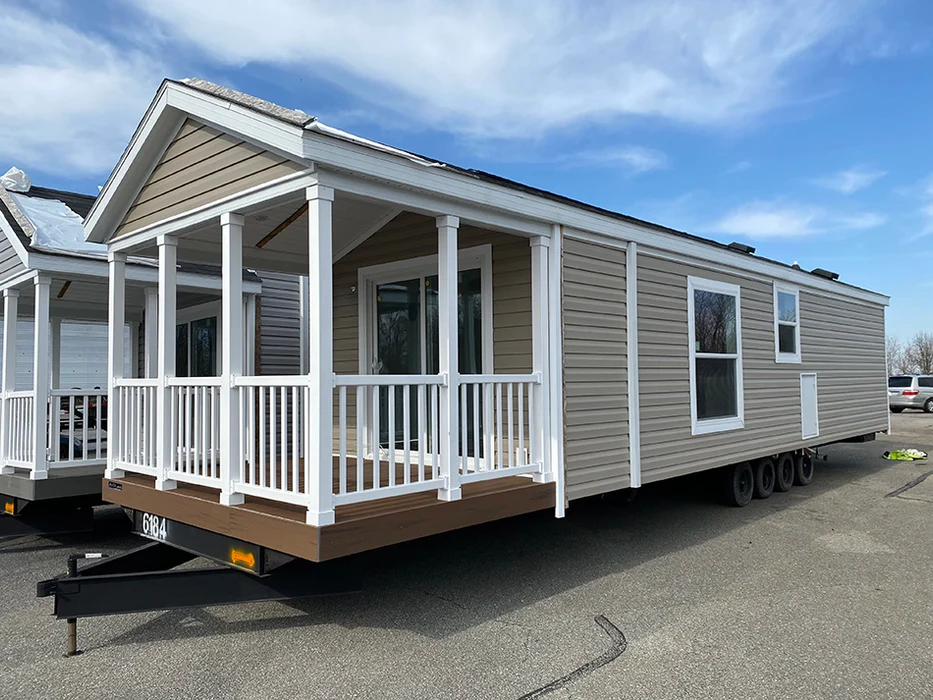
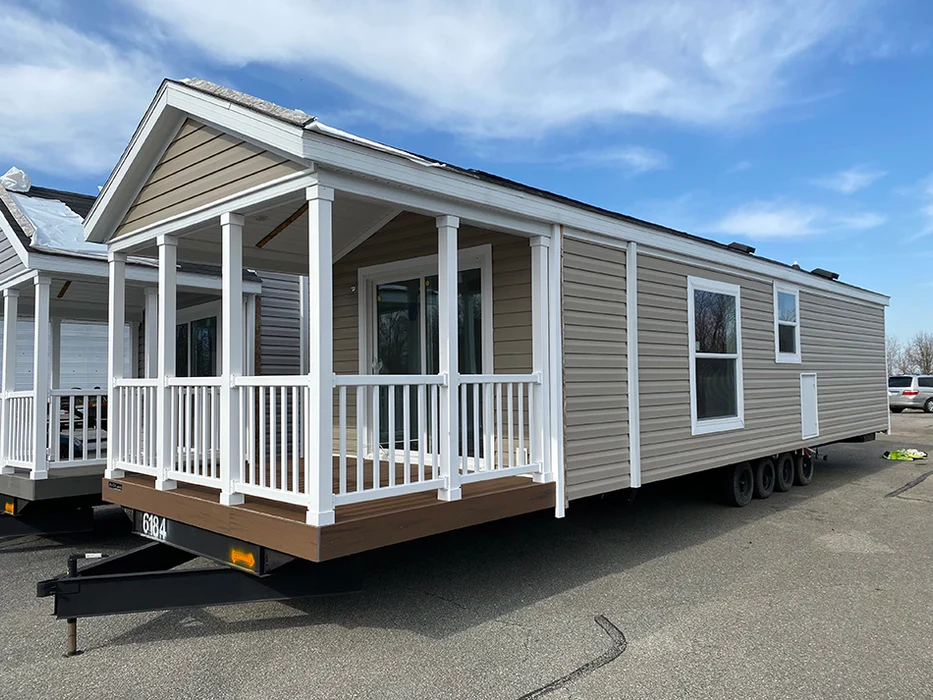
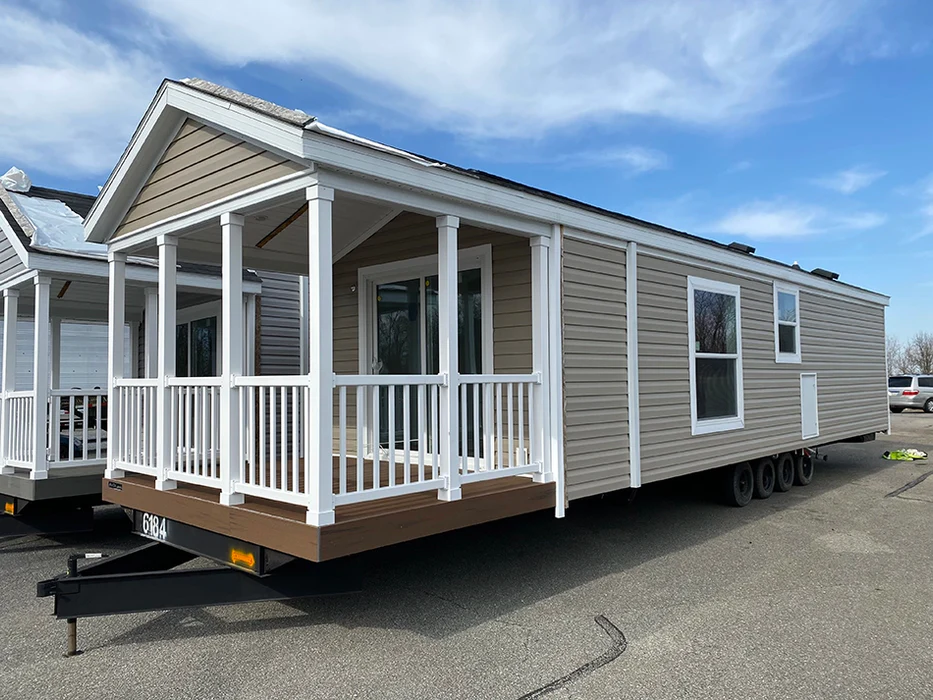
If you’re ready to experience a seamless delivery day with a home engineered for uncompromising safety and style, we’d love to help you find the perfect floor plan. Take a tour of the beautiful Pleasant Valley Bridgeport B Modular Home and see the difference quality construction makes.
Frequently Asked Questions
How far apart should mobile home piers be?
In most standard setups, piers are placed every 6 to 8 feet along the steel I-beams. However, the exact measurement is strictly dictated by your home’s unique engineering manual and local soil load-bearing capacity. Your installation crew will follow these blueprints to the letter to satisfy state inspectors.
Do I need perimeter blocking for my mobile home?
Yes, perimeter blocking is often required underneath large windows, sliding glass doors, or heavy appliances. It prevents the outer walls of the home from sagging over time and is heavily enforced by building codes in high-wind and seismic zones.
Can poor pier spacing affect my home’s financing or resale?
Absolutely. If your home’s foundation does not meet state codes or manufacturer specifications, it will fail inspection. This can void your warranty, compromise structural integrity, and prevent future buyers from securing a mortgage.