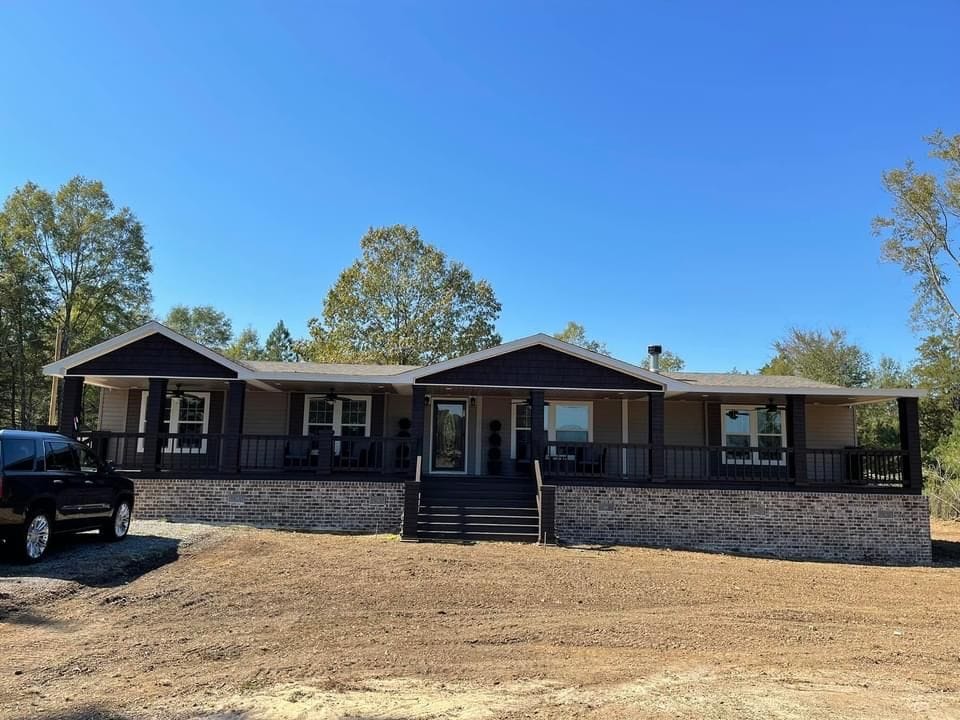
The Upgrade Decision: Investing Where It Counts
Just last month, I sat down with a buyer named Mark who was finalizing his purchase. Like many buyers, he was weighing a slightly lower monthly payment against a few smart upgrades. He pointed to the site preparation and foundation line items, asking if we could cut costs there by doing the bare minimum required to save about $40 a month.
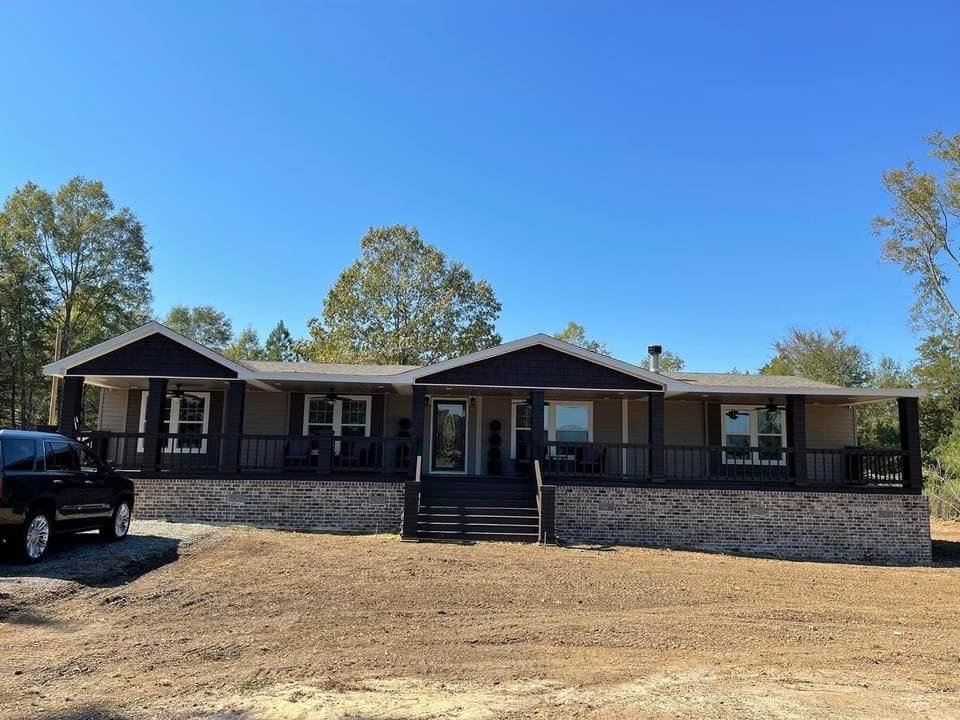
I told him what we tell all our clients: you can always upgrade your countertops later, but you can never easily go back and fix a compromised foundation. We strongly recommended prioritizing structural upgrades first. By investing slightly more upfront in high-quality footer pads and solid concrete piers, he would drastically increase the load-bearing capacity of his home’s base. If you cut corners on site prep, your pier setup won’t hold level, and you’ll spend thousands down the road fixing jammed doors, cracked drywall, and sagging floors. Mark took our advice, secured a flawless foundation setup, and now has total peace of mind knowing his home is built to last.
What Dictates Mobile Home Pier Spacing?
Short answer: While the industry standard rule of thumb spaces structural piers every 6 to 8 feet along the frame, the exact required distance is strictly governed by your home’s unique engineering manual and the specific soil conditions of your lot.
As dealers, we see firsthand that buying a high-quality home is only half the equation; how it is supported makes all the difference. The steel chassis of a manufactured home is designed to carry a massive amount of weight, but that weight must be transferred to the earth evenly. This is why the manufacturer’s engineering manual is the ultimate authority. It dictates exactly where the supports must go based on the home’s weight distribution, snow load requirements, and floor plan. For a broader look at how this impacts buyers in specific regions, you can read our resource on Understanding Mobile Home Pier Spacing: A Texas Buyer’s Guide to Foundation Safety.
The Anatomy of a Secure Foundation System
When we set up a new home, the pier spacing is just one piece of a comprehensive system. A standard pier-and-beam foundation relies on a combination of elements working together to secure your investment.
Once the piers are perfectly spaced according to the manual, we must secure the home against wind and seismic forces. This involves driving heavy-duty ground anchors deep into the soil and attaching them to the frame using tensioned steel straps. If your lot has particularly soft soil or if you are looking for the absolute highest tier of stability, some buyers opt to skip individual dirt-pad piers altogether and pour a complete concrete slab foundation. While more expensive, a slab ensures uniform support and takes the guesswork out of soil shifting over the decades.
Why Proper Pier Spacing Matters for Resale and Compliance
Short answer: Proper pier spacing ensures your home will pass strict federal and lending inspections, preserving your ability to sell or refinance the home in the future.
We want your purchase to be a strong financial asset. If a home is installed with piers spaced too far apart, the frame will eventually sag. Not only does this cause cosmetic damage, but it also raises immediate red flags during inspections. Government-backed loans (like FHA and VA) require stringent foundation compliance. If the original installers didn’t follow the precise engineering manual, future buyers won’t be able to secure financing, drastically lowering your resale value. This emphasis on correct installation is echoed in federal guidelines, such as the [PDF] Protecting Manufactured Homes from Floods and Other Hazards, which stresses that a home is only as resilient as its foundation.
Ready to Find Your Perfectly Supported Home?
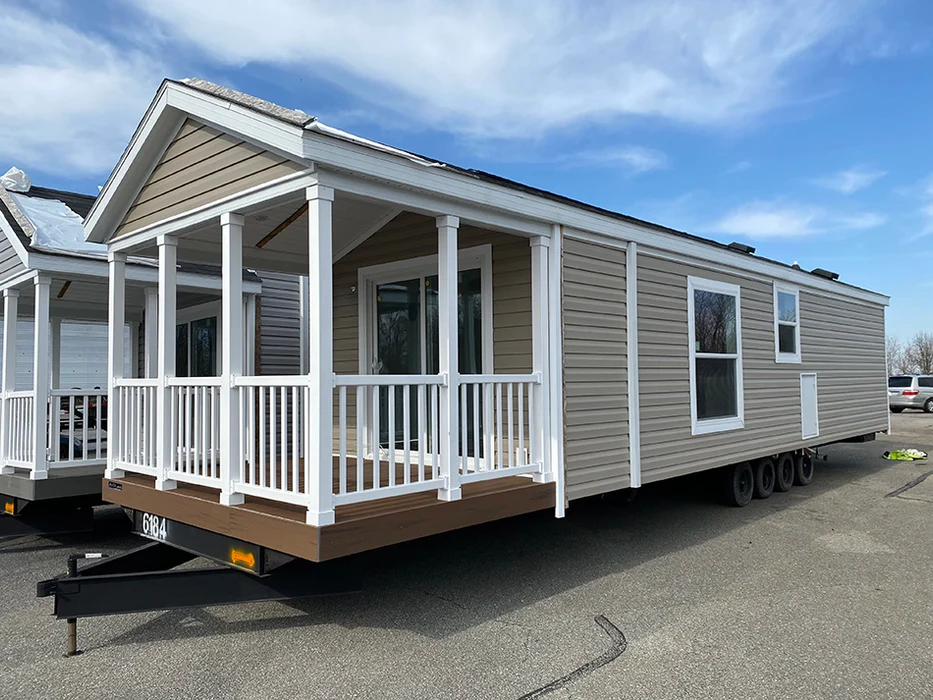
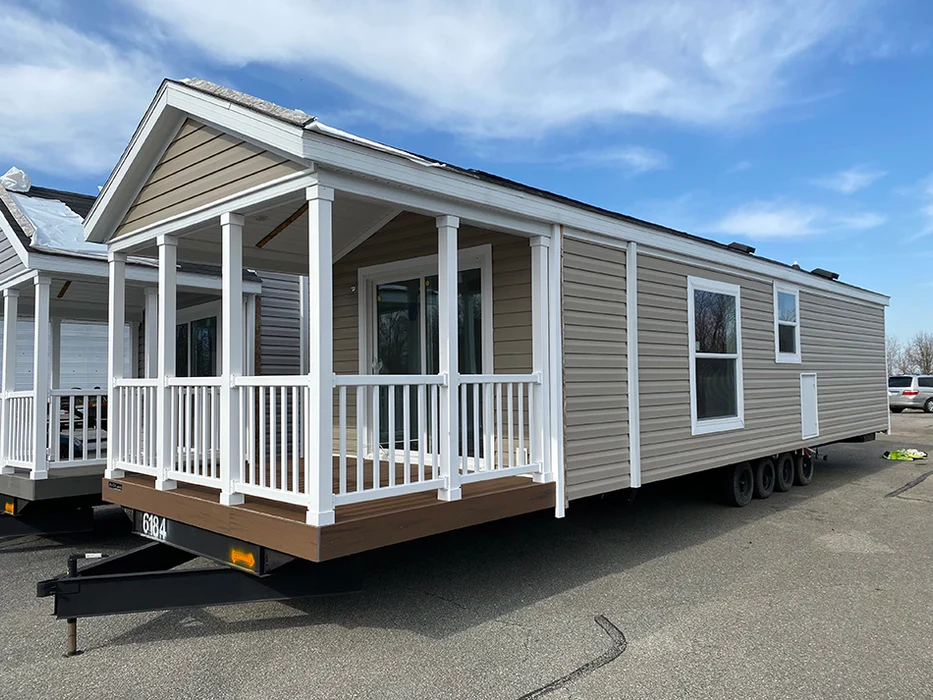
Understanding the technical side of your purchase ensures you’re making a confident, lasting investment. At Comfort Mobile Homes, we handle the complex details—like ensuring flawless site prep and pier spacing—so you can focus on enjoying your new space. If you’re ready to explore homes built to the highest standards, check out models like the beautiful Champion 1666H22197 Single Wide and let our expert team guide you from the lot selection all the way to foundation installation.
Frequently Asked Questions
Can I space my mobile home piers further apart to save money?
No. Stretching the distance between piers beyond what is outlined in the manufacturer’s engineering manual puts severe stress on the home’s steel frame. This leads to structural failure, voids your warranty, and ensures the home will not pass future lending inspections.
Do double-wide manufactured homes require different pier spacing than single-wides?
Yes. Double-wide homes consist of two separate sections that are joined at the middle (the marriage line). Because this center line bears a significant amount of the home’s weight, it requires its own dedicated row of closely spaced piers, unlike a single-wide which primarily rests on its two outer I-beams.
How often should I have my foundation piers and spacing checked?
We recommend having your foundation visually inspected and your home’s level checked every three to five years. If you experience severe weather, flooding, or notice doors and windows sticking, you should schedule a professional releveling inspection immediately to ensure your piers haven’t settled.