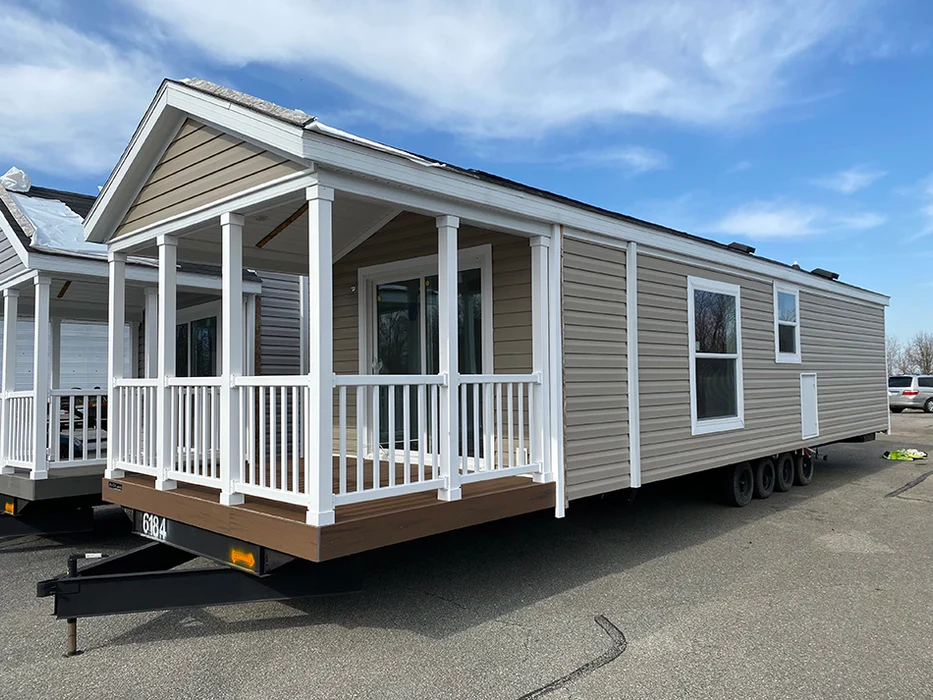
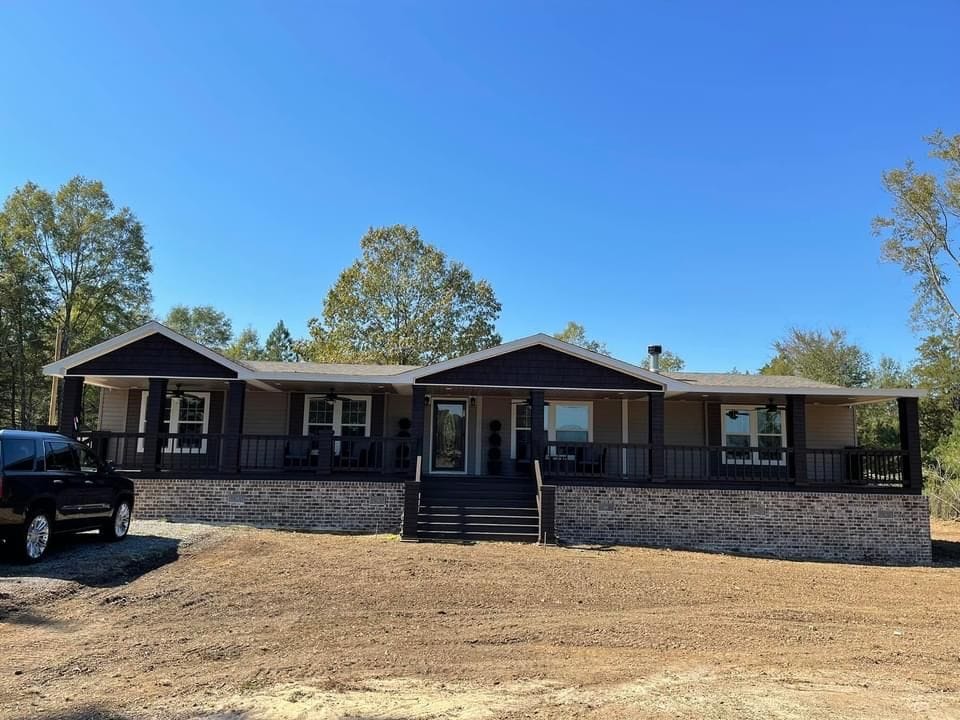
Just last week, I watched a young couple, let’s call them Sarah and Mark, pull up to our North Carolina dealership. Sarah stepped out of the car clutching a thick, spiral-bound notebook. As first-time buyers, they were incredibly excited but clearly overwhelmed. As we walked the lot, we covered the fun stuff first: explaining the open floor plans, talking through financing options, and picking out the perfect kitchen finishes.
But when we sat down in my office to discuss delivery and setup, Sarah opened her notebook to a page full of highlighted questions about red clay, coastal hurricanes, and how exactly these homes stay put. I smiled because I love this part. I told her what I tell every buyer: while the floor plan is where your family makes memories, the foundation is what protects them. Let’s walk through exactly how we ensure your new home is built on solid ground.
What dictates mobile home pier spacing?
Short answer: While the industry standard rule of thumb spaces structural piers every 6 to 8 feet along the frame, the exact required distance is strictly governed by your home’s unique engineering manual and the specific soil conditions of your lot.
When Sarah asked how many supports her chosen double-wide would need, I explained that setting up a manufactured home isn’t a guessing game. Every single home we sell comes with a manufacturer’s installation manual. This manual calculates the exact vertical support load the home will experience based on its weight, roof layout, and expected snow or wind loads.
The spacing of your concrete block piers relies heavily on the soil capacity of your land. In North Carolina, we deal with everything from shifting coastal sands to hard inland clay. If your soil has a lower load-bearing capacity, we have to place the piers closer together and use wider footings to distribute the weight safely and prevent the home from settling unevenly over time.
How do North Carolina’s wind zones affect your foundation setup?
Short answer: Because North Carolina experiences intense coastal storms, homes must be anchored and supported according to specific HUD wind zone ratings, which can require specialized tie-downs and closer pier spacing
North Carolina is uniquely geographically diverse, encompassing HUD Wind Zones I, II, and III. When Mark asked if a hurricane could shift their home, I reassured him by explaining the science of our setups. The pier spacing works in tandem with heavy-duty ground anchors.
These anchoring systems ensure that the home doesn’t lift or slide during high winds. For buyers looking at strict regulations across the country, you might be familiar with out-of-state rules. For instance, we often get questions about strict western codes, which we’ve detailed in our guide to Mobile Home Pier Spacing Requirements in California: A Buyer’s Guide to Compliance. However, whether it’s the California Code of Regulations or North Carolina’s specific wind zone mandates, the goal is always the same: absolute structural integrity and family safety.
What foundation materials guarantee a safe installation?
Short answer: A compliant foundation utilizes poured concrete footings or ABS pads, stacked concrete block piers, and hardwood or steel shims to achieve a perfectly level, secure base.
As we wrapped up our notebook session, I showed Sarah and Mark a cross-section of a foundation setup. I explained that we don’t just drop concrete blocks on the grass. First, we establish proper footings below the frost line to prevent seasonal heaving. Then, we construct the concrete block piers, ensuring they are perfectly plumb to carry the immense vertical support load of the home.
If you are researching the absolute best practices for safeguarding your property, we highly recommend reading the official [PDF] Protecting Manufactured Homes from Floods and Other Hazards by FEMA. It echoes exactly what we practice on every single installation.
By the end of our meeting, Sarah closed her notebook. The anxiety was gone, replaced by the confidence that her family’s new home would be safe, secure, and built to last. If you’re ready to take that same tour and find a home that fits both your dreams and your lot perfectly, check out the incredible layout of the Commodore 3AM2812P Modular Home. We’d love to walk you through it.
Frequently Asked Questions
How far apart should mobile home piers be?
Short answer: In most standard setups, piers are placed every 6 to 8 feet along the steel I-beams. However, the exact measurement is strictly dictated by your home’s unique engineering manual and local soil load-bearing capacity.
Can I install my own mobile home foundation?
Short answer: No, it is highly discouraged and often illegal. Professional installation is required to ensure compliance with HUD codes, local North Carolina zoning laws, and to maintain your manufacturer’s warranty.
Do I need different footings for clay versus sandy soil?
Short answer: Yes. Soil capacity varies greatly; sandy soil typically has a lower load-bearing capacity than hard clay, meaning it often requires wider footings or closer pier spacing to prevent the home from sinking.
How often should I have my home’s foundation checked?
Short answer: We recommend having a professional inspect your foundation and tie-downs every three to five years, or immediately following any severe weather events or noticeable changes in how your doors and windows open.