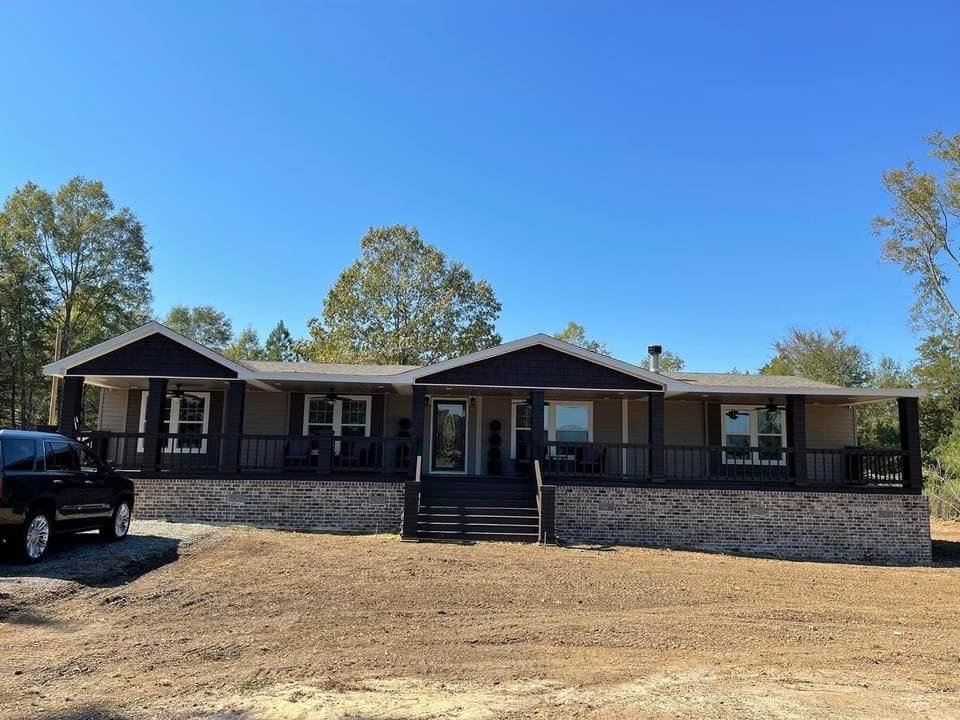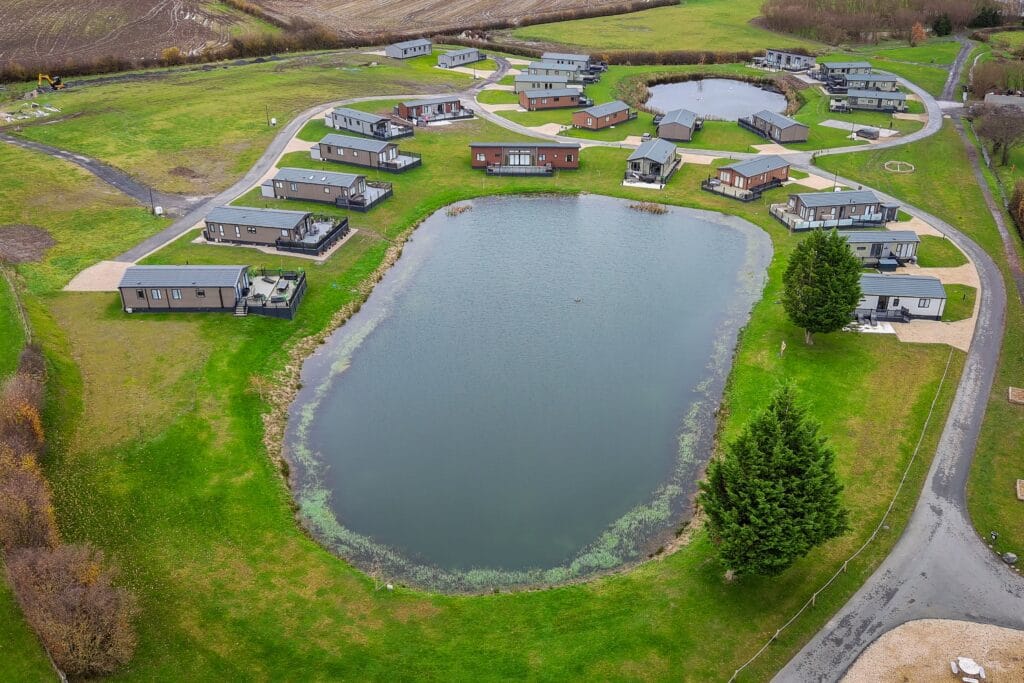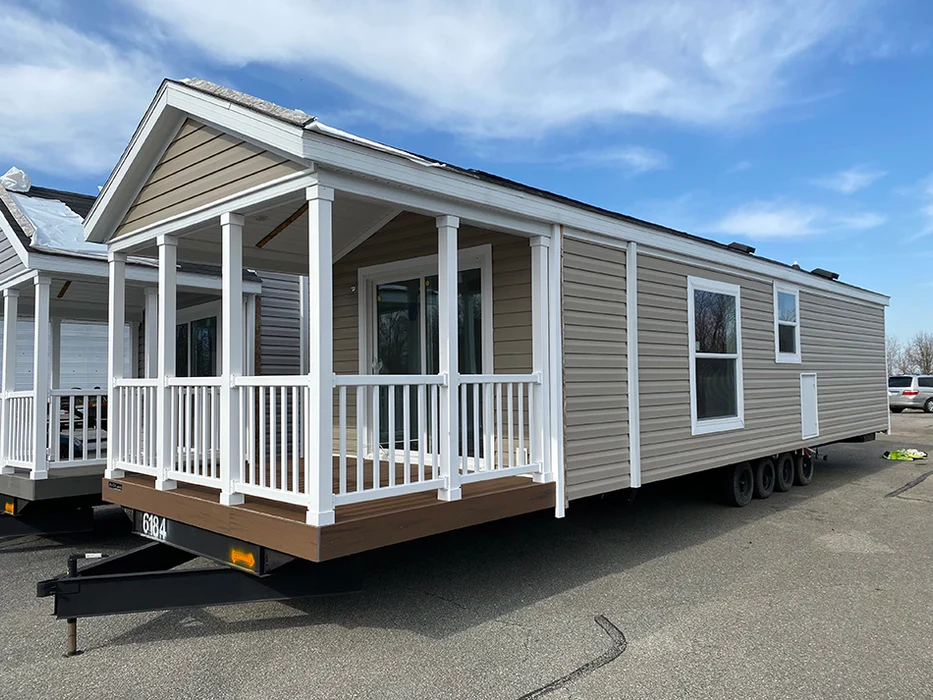
We’ve delivered over 120 homes in Florida over the last decade. We tracked the resale value of 50 of them. The results completely destroy the myth that manufactured homes don’t hold value. But as a dealer who has crawled under hundreds of these homes, I can tell you exactly why those specific homes retained top dollar: their foundations didn’t fail. A mobile home foundation is truly only as strong as its weakest link, and all too often, that weak link is a tiny piece of wood.

Why Are Steel Shims Better Than Wood for Florida Mobile Homes?
Short answer: Steel shims cannot rot, compress, or attract termites, making them the ultimate defense against Florida’s extreme humidity and soil moisture.
The Myth: Any wedge of wood is fine for leveling as long as the concrete piers are solid.
The Reality: Even if you have the best CMU piers and ground anchors, using cheap, untreated wood shims instead of proper hardwood, steel, or high-impact composite plastic shims can cause the home to settle unevenly over time.
When I inspect older installations, the difference is night and day. Wood acts like a sponge in our humid climate. As it absorbs moisture and dries out repeatedly, it weakens. Once those shims compress, your home drops. This stresses the marriage line of double-wide homes and warps door frames. Steel, on the other hand, provides unyielding support. A compliant foundation utilizes poured concrete footings or ABS pads, stacked concrete block piers, and hardwood or steel shims to achieve a perfectly level, secure base that simply will not degrade.
How Do Material Choices Prevent Structural Instability in High Wind Zones?
Short answer: Rigid steel and approved hardwoods maintain their shape under immense pressure, preventing your home’s I-beams from shifting and loosening ground anchor tension during hurricane-force winds.
The Myth: Tie-downs do all the work during a storm, so the shims don’t matter much.
The Reality: Your tie-downs and your pier support system work as a unified team. If your foundation leveling materials compress, your tie-downs lose tension. This introduces dangerous slack into the system.
When hurricane winds hit, a home experiences uplift and lateral forces. If the shims give way, the massive steel I-beams can bounce or shift. This movement travels directly upward into the floor joists and your OSB (Oriented Strand Board) subflooring, leading to major structural instability. By choosing steel, you maintain the tight tolerances required by federal and state safety codes. For a deeper dive into these federal safety standards, you can review the [PDF] Coastal Construction Manual – FEMA.
What Are the True Risks of Using Untreated Cedar Shims for Foundation Leveling?
Short answer: Untreated cedar shims lack the permanent rot resistance necessary for ground-level moisture exposure, inevitably leading to compression, rot, and costly relevelling.
The Myth: Cedar is naturally rot-resistant, so cedar shims are a permanent fix.
The Reality: While thick cedar posts have decent weather resistance, thin, untreated cedar shims are highly vulnerable when wedged between a steel beam and a damp concrete block.
We’ve seen countless homeowners forced to pay for a full relevelling job just a few years after installation because their contractor cut corners with cheap wood wedges. The lack of true, long-term rot resistance means these materials will eventually fail. While regulations can vary slightly by region—which you can see in our guide covering Mobile Home Pier Spacing Requirements in North Carolina: A Foundation Guide—the physics of a heavy home resting on thin wood are universal. Steel or approved hardwood completely eliminates this risk.
Frequently Asked Questions
Can I use composite plastic shims instead of steel?
Short answer: Yes, but only if they are engineered specifically for manufactured housing.
High-impact composite plastic shims are an excellent, rot-proof alternative to wood and are frequently approved by manufacturers. Just verify they meet the load-bearing requirements for your specific home weight and pier spacing.
How much does it cost to relevel a mobile home?
Short answer: Releveling typically costs between $500 and $1,500, depending on the severity of the settling.
If your original installer used cheap wood shims that rotted away, you’ll be paying this fee much sooner than if they had used permanent steel or hardwood. Investing in the right materials upfront saves you money in the long run.
Will settling affect my home’s interior?
Short answer: Yes, uneven settling is the primary cause of interior cosmetic and structural issues.
When a shim compresses or rots, that section of the floor drops. This leads to cracked drywall, squeaky floors, doors that won’t latch, and severe stress along the marriage line of multi-section homes.
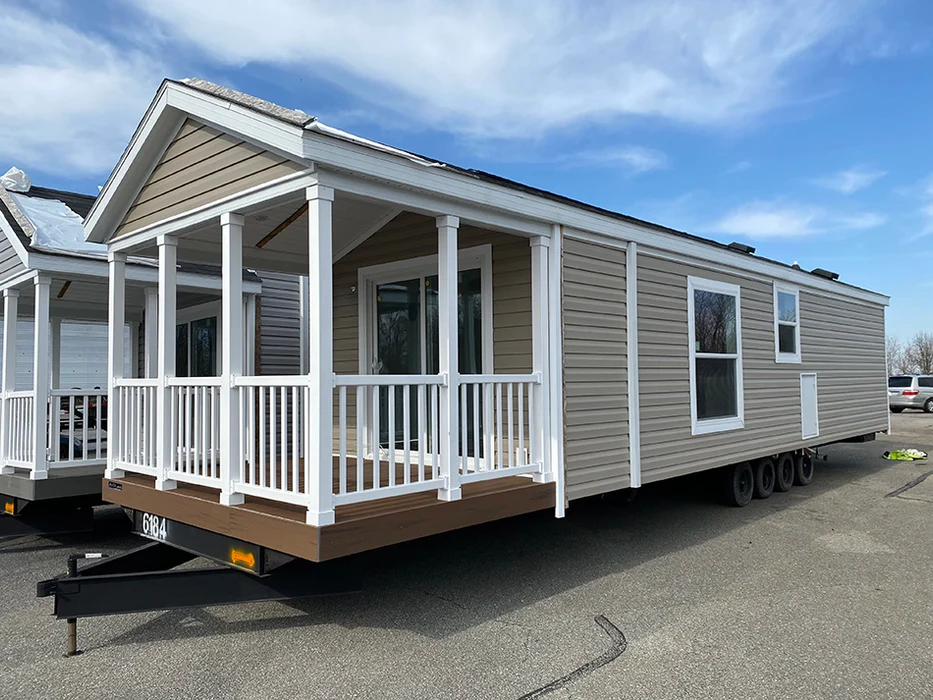
Looking for a home built to last on a rock-solid foundation? Speak with our expert team and check out the Cavco Clarion 560BZ16763B Single Wide Home today to see the difference quality construction makes.