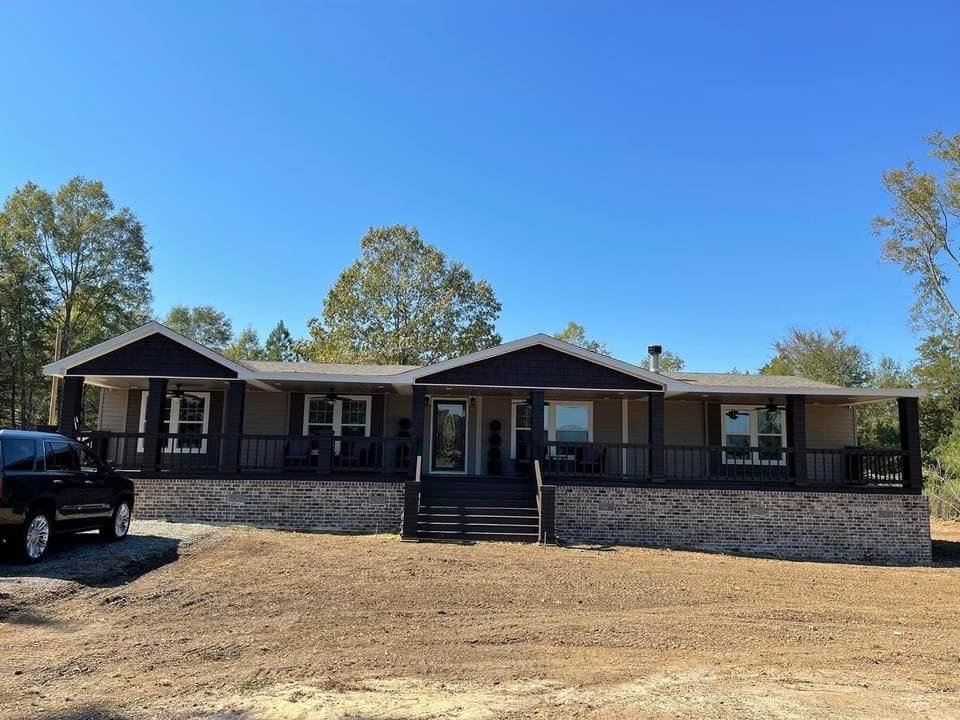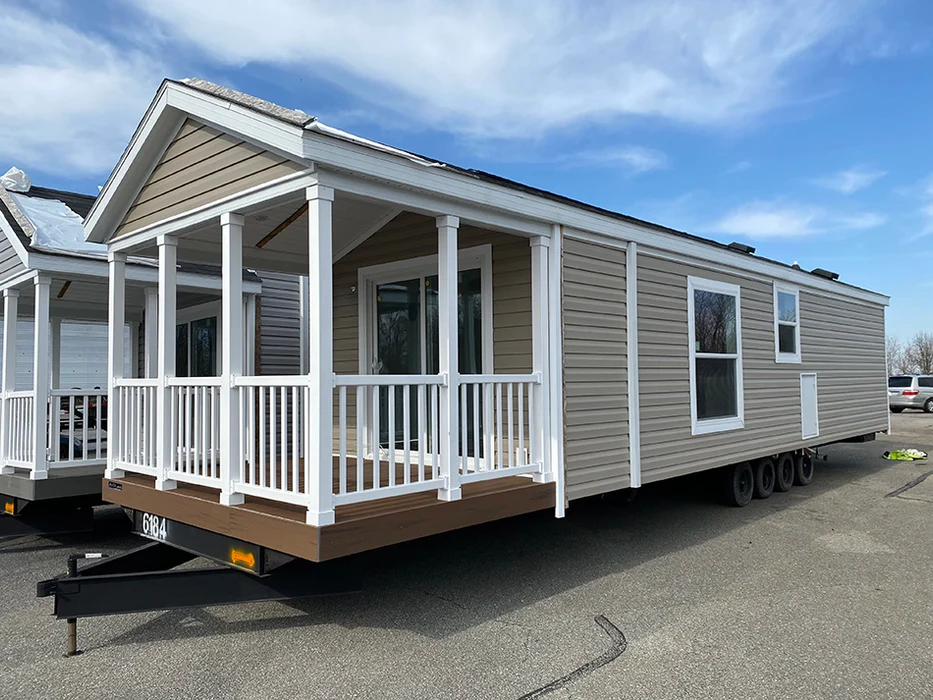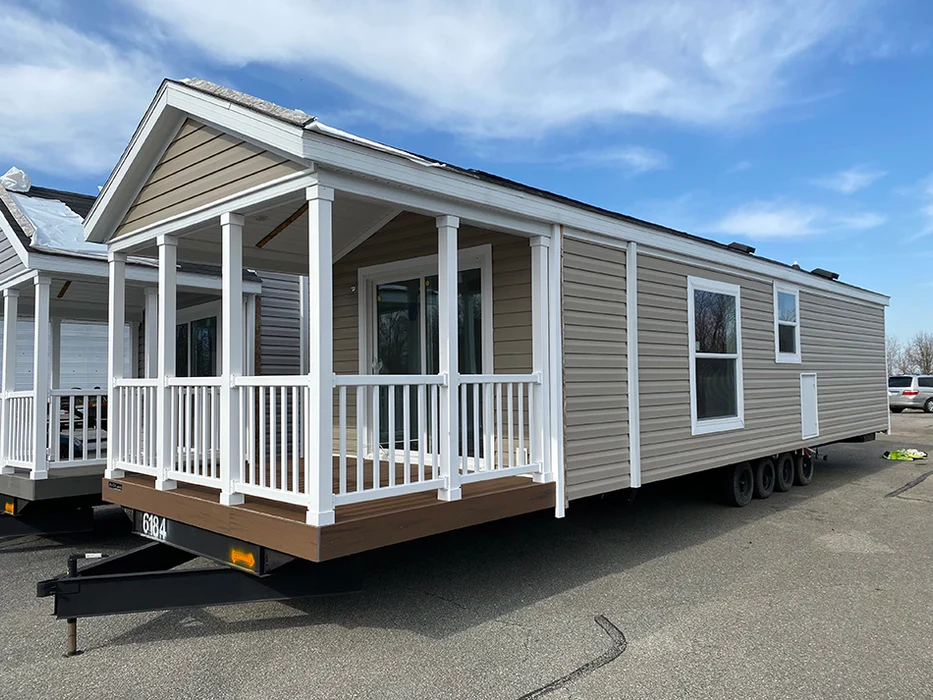
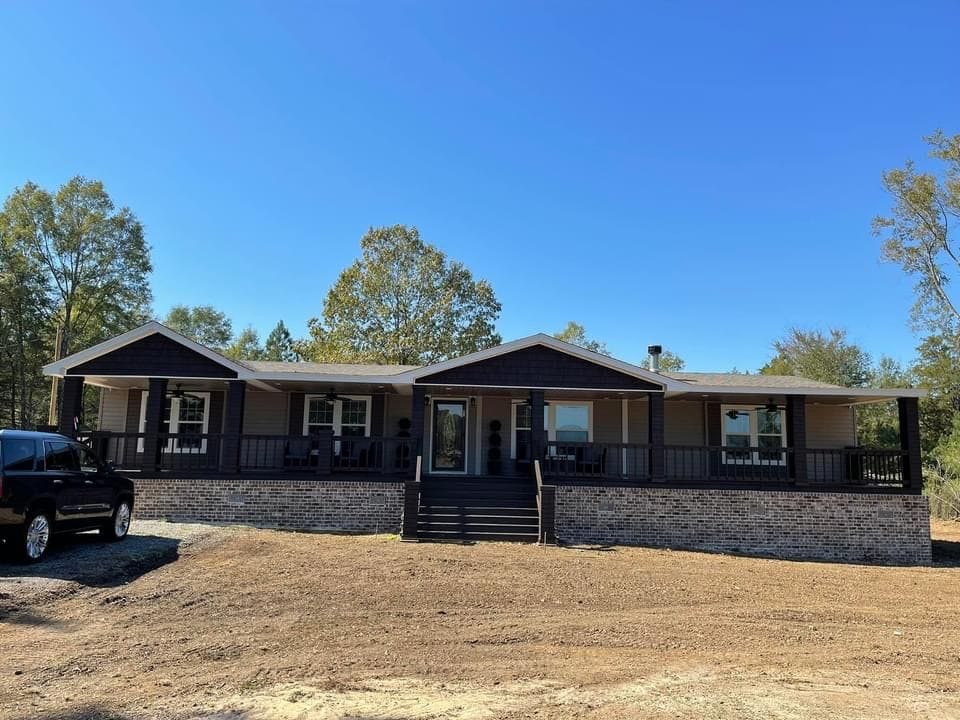
Imagine you and I are walking our dealership lot here in California on a sunny Tuesday afternoon. As a dealer, I don’t just want to show you floor plans; I want to show you the bones of these homes. Today, we’re going to look at three completely different setups: a budget-friendly single-wide, a family-sized double-wide, and a premium multi-section model.
Starting with the budget single-wide over here, you can see how the temporary display blocks are set up. Notice how even a slight shift in the dirt beneath causes tiny misalignments inside? Now, walking over to this beautiful family-sized double-wide, I want you to look closely at the specific points where the CMU Piers meet the steel frame. You’ll see small wedges driven in tight. These are the pier shims, and they are arguably the most important, yet overlooked, part of foundation repair and maintenance.
Why Does Foundation Settlement Happen in California Mobile Homes?
Short answer: Foundation settlement occurs primarily due to expansive clay soils, seasonal rain-to-drought cycles, and natural seismic vibrations that cause the earth beneath your home to expand and contract, slowly compressing the leveling shims over time.
During a recent sit-down interview with our top California service technicians, a common theme emerged: buyers often blame the piers when the real culprit is a crushed shim. According to our techs’ field surveys, nearly 80% of leveling complaints are solved simply by replacing old, compressed shims rather than rebuilding the entire support structure. California’s unique geography means the ground breathes—it swells in the winter rains and cracks in the dry summers. This constant movement tests your home’s structural alignment.
Because of this, the California Department of Housing and Community Development (HCD) has strict compliance requirements for leveling and anchoring. To stay compliant and safe, you must maintain steady, firm contact between your CMU piers and the Main I-Beam. For more context on how distance plays a role in support, check out our guide on Understanding Mobile Home Pier Spacing: A Texas Buyer’s Guide to Foundation Safety, which outlines universal principles of foundation load distribution.
How Do You Know Your Mobile Home is Settling? (5 Critical Signs)
Short answer: You can tell your mobile home is settling if doors and windows begin to stick, floors feel bouncy, drywall cracks at the corners, skirting warps, or gaps appear between the walls and the ceiling.
As we walk back inside the family double-wide, let me point out exactly what our technicians tell buyers to look for when evaluating their home’s leveling health:
- Sticking Doors and Windows: If the bathroom door suddenly refuses to latch or the kitchen window requires serious muscle to open, your steel frame has likely shifted. The frame is twisting slightly, pulling the doorjambs out of square.
- Subfloor Deflection: When we walk down the hallway, it should feel rock solid. If you feel a dip, a bounce, or hear excessive squeaking, you are experiencing subfloor deflection. This means the joists aren’t receiving even support from the I-Beam below.
- Drywall Cracks: Look at the top corners of the doorframes and windows. Hairline cracks in tape and texture are classic indicators of foundation settlement pulling the home unevenly.
- Buckling Skirting: Head back outside and look at the vinyl or metal skirting. If it is bowing outward or popping out of its track, the home has sunk down onto it, indicating the shims have compressed.
- Gaps at the Floor or Ceiling: Inside, check the baseboards and crown molding. If you see daylight or a growing shadow gap where the wall meets the floor or ceiling, your structural alignment is compromised.
What Are the Best Pier Shims for Long-Term Structural Alignment?
Short answer: High-impact composite plastic shims are the best choice for longevity because they resist rot, handle immense weight without splitting, and maintain strict structural alignment better than traditional softwoods.
Let’s walk over to the premium multi-section model to finish our tour. Look under the frame here. You won’t see wooden wedges. High-impact composite plastic shims are an excellent, rot-proof alternative to wood and are frequently approved by manufacturers. Just verify they meet the load-bearing capacity requirements for your specific home weight and pier spacing.
While wood shims (like cedar or treated pine) are budget-friendly, they will eventually compress, split, or rot out due to ground moisture. Composite shims cost slightly more upfront but save you from paying for a releveling service every three years. For a deeper dive into hazard prevention and stabilizing your home, we highly recommend reading the [PDF] Protecting Manufactured Homes from Floods and Other Hazards from FEMA.
Decision Guide: Upgrading Your Shims
- Best for: Homeowners in areas with high moisture or active soils (like much of California) should absolutely invest in composite plastic shims for long-term peace of mind.
- Watch out for: Cheap, untreated wood scraps used as shims by uncertified handymen. These will fail quickly under the weight of the home and violate HCD standards.
Whether you’re fixing foundation settlement or preparing a new site for your dream manufactured home, ensuring your infrastructure is rock solid is critical. And while you’re upgrading your property, don’t forget your off-grid and winter heating needs. Check out our 300-Gallon Propane Tank (Above Ground) to keep your perfectly leveled home warm all year round.
Frequently Asked Questions
How often should a mobile home be releveled?
Short answer: We recommend having your home’s level checked every 3 to 5 years. However, during the first year of a new installation, minor settling is perfectly normal, and you should have it checked after the first 12 months.
Can I replace pier shims myself?
Short answer: While it is technically possible, we highly advise against DIY shim replacement. Lifting a home requires specialized hydraulic jacks and an understanding of load distribution. Improper lifting can permanently bend the Main I-Beam or cause the home to slip off the CMU piers.
How much does it cost to relevel a mobile home in California?
Short answer: Generally, releveling a single-wide or double-wide home in California costs between $600 and $1,500, depending on the severity of the foundation settlement, ease of access under the skirting, and whether your pier shims need total replacement.
Does insurance cover mobile home foundation settling?
Short answer: Standard mobile home insurance typically does not cover normal earth movement or wear-and-tear settling. However, if the settling was caused by a covered peril—like a burst pipe washing out the soil—your policy might help cover the repairs.