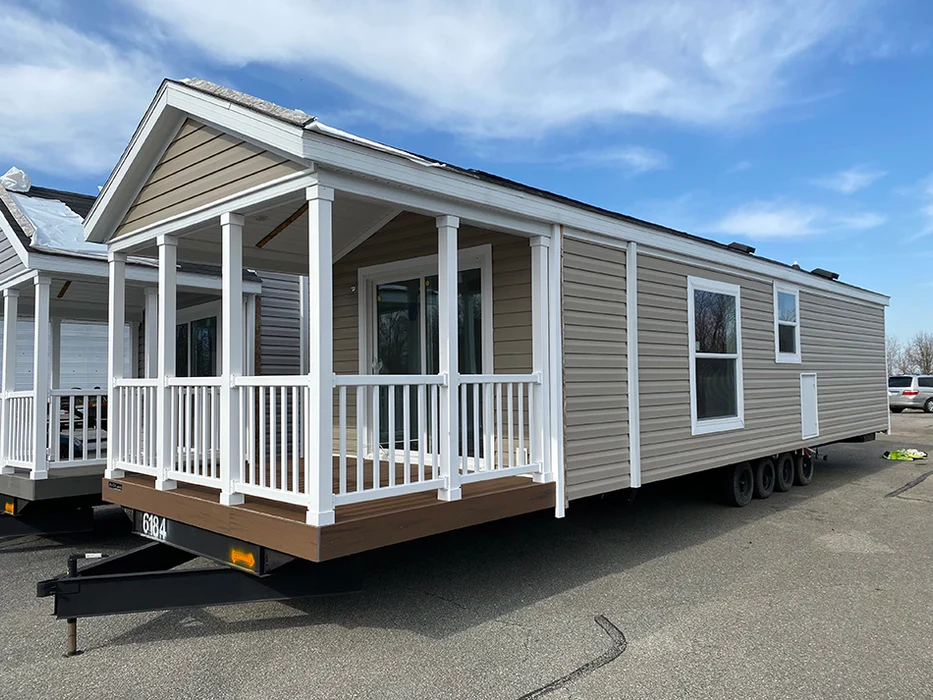
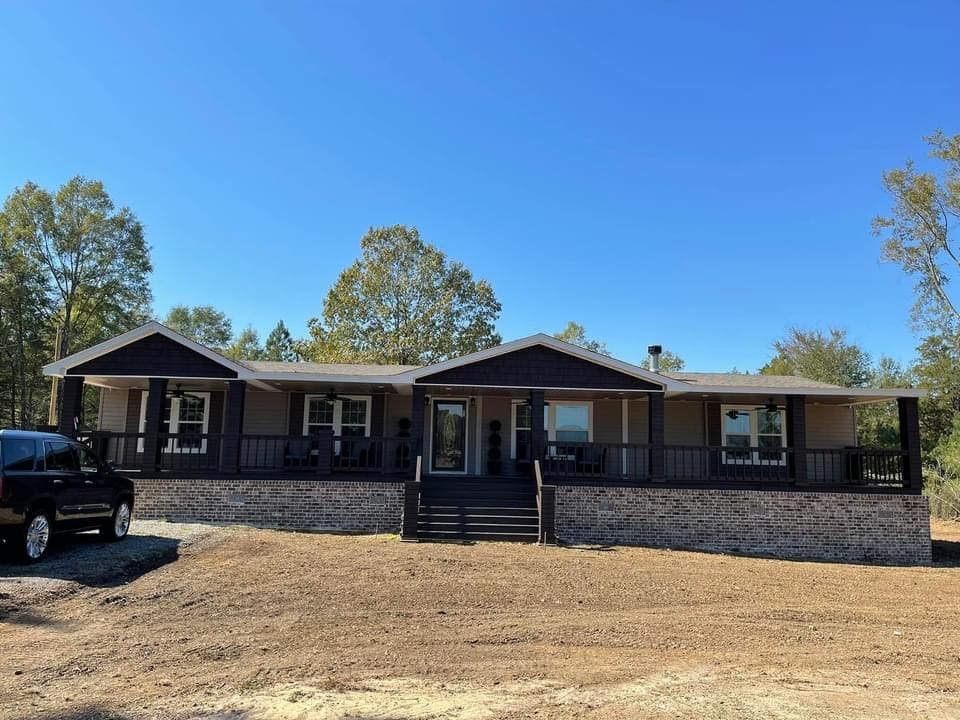
Suppose you are a home buyer comparing site preparation budgets and weighing whether to allocate funds toward a poured concrete slab or a standard pier installation. When buyers ask about the right setup for double-wide home structural supports, the practical approach is to weigh initial site preparation costs, soil load-bearing capacity, and future access needs rather than relying on blanket assumptions.
Both concrete slabs and a well-engineered pier and beam foundation offer robust structural support when installed correctly. Let’s break down the tradeoffs so you can decide which foundation type is appropriate for your manufactured home.
What is a Pier and Beam Foundation for a Manufactured Home?
Short answer: A pier and beam system supports your home by placing strategic support columns directly beneath the structural frame, transferring vertical loads safely to the underlying footings piers requirements.
Manufactured homes carry their weight through main steel beams, mating lines, and perimeter supports as specified by the manufacturer. Pier spacing and placement are dictated by applicable manufacturer instructions and engineering designs. Table 1 in federal installation standards provides sample spacing intervals such as 4, 6, 8, and 10 feet under specific design assumptions, but these represent conditional table inputs rather than a universal spacing schedule and exclude flood or seismic requirements piers requirements.
Depending on your region and soil load-bearing capacity, support columns are constructed from permitted materials such as concrete masonry units or adjustable steel jacks resting on approved footings. Multi-section or heavier configurations use specific engineering layouts to match the structural demands of modern manufactured housing.
Is a Concrete Slab Foundation Better?
Short answer: A concrete slab foundation consists of a poured concrete pad beneath the home’s footprint, providing a solid surface that integrates with proper grading and load distribution.
Pouring a slab requires careful site grading, form construction, reinforcement as required by design specifications, and concrete placement. A concrete slab and pier supports can also coexist in certain engineered designs. Regardless of whether you select a slab or piers, footings and foundations must be placed in accordance with local soil and frost conditions.
How Do Cost and Installation Speed Compare?
Short answer: Installation timelines and project costs vary based on site grading, excavation depth, local material pricing, and labor requirements rather than a fixed multiplier.
When planning your project, compare itemized estimates covering excavation, drainage, footings, supports, permits, and finishing work. Both systems require proper site preparation and adherence to weather and soil constraints.
- Best for: Buyers balancing site-specific engineering requirements, soil characteristics, and accessibility preferences.
- Watch out for: Failing to verify soil bearing capacity and local building codes before pouring concrete or setting piers.
How Easy is Long-Term Maintenance and Leveling?
Short answer: Foundation types differ in crawlspace configuration and ground coverage.
Crawlspace accessibility can simplify certain inspections and maintenance checks beneath the floor framing. When reviewing foundation performance, installers check that support settings remain stable and aligned with design specifications.
Enclosed under-home spaces generally require a ground vapor retarder unless installed in arid dry conditions, helping manage moisture regardless of your foundation type.
Making the Smart Upgrade Choice
Evaluating your foundation choice involves balancing installation complexity, future maintenance access, soil conditions, and financing guidelines to find the right fit for your property.
When comparing options, use a structured buyer checklist covering soil and site assessment, excavation and drainage needs, footing and support design, permit requirements, and project access limitations.
FAQ
Are concrete slabs required to qualify as a permanent foundation?
Short answer: Whether a foundation qualifies for specific loan programs depends on property reviews, engineering documentation, and lender guidelines rather than the foundation type alone.
How deep do footings need to go in Northern Idaho?
Short answer: Footings and support pads must be placed below the regional frost line or utilize an approved frost-protected alternative as specified by local building authorities and foundation design manuals footings requirements.
How often does a pier and beam foundation need leveling?
Short answer: Routine maintenance checks should follow manufacturer and installer guidelines, with qualified professionals evaluating any unexpected settling or structural movement.
Can I upgrade from pier and beam to a slab later?
Short answer: Retrofitting a concrete slab under an already installed home involves significant engineering and access challenges. It is generally advisable to finalize your foundation choice during initial site preparation. Explore our available double-wide homes to plan your setup.
Ready to find your dream home? Browse our inventory options or reach us through our contact page.