When I sit down with families at our dealership to plan their move onto rural land, the conversation quickly shifts from floor plans to site utilities. We know our buyers care deeply about local weather, tricky transport routes, pulling the right permits, and locking in affordable financing for their total setup. Utilities—especially heating—are a massive piece of that puzzle.
Setting up a reliable 500-gallon propane tank is one of the most critical decisions you will make. It powers your furnace during freezing winter nights, heats your water, and runs your gas stove. But there is a major fork in the road when configuring your utilities: should you sign a tank lease agreement with a local fuel company, or bite the bullet and buy the tank outright?
Let’s dive into the real-world numbers for 2026 and look at exactly how to build long-term equity on your property.
How Much Does a 500 Gallon Propane Tank Cost in 2026?
Short answer: Purchasing a new 500-gallon tank outright costs between $1,500 and $2,500, with basic installation adding $300 to $1,000 depending on terrain and line trenching.
When evaluating the total cost of your setup, it is important to remember that prices vary based on how you place the tank. If you choose an above-ground storage tank, you completely eliminate excavation fees. This keeps your installation labor costs on the lower end of that $300 to $1,000 spectrum. Strategic placement near the home will also lower your trenching and piping costs while ensuring you remain compliant with state fire regulations.
If you prefer the aesthetics of a buried tank, expect to pay a premium for the heavy equipment required to dig the hole and backfill the dirt. We typically recommend above-ground tanks to our budget-conscious buyers because it leaves more money in your pocket for other critical site preparations. Speaking of site prep, making sure your home’s base is solid is just as important as your utilities. If you are getting ready to set your home, I highly recommend reviewing our 2026 Mobile Home Foundation Leveling: The Ultimate Buyer’s Checklist for Long-Term Stability.
Is It Better to Lease or Own Your Propane Tank?
Short answer: Leasing is better if you need to minimize your immediate upfront out-of-pocket expenses, while owning is far better if you want to negotiate fuel prices and maximize the long-term value of your mobile home setup.
When our buyers begin looking at total ownership costs, the first major decision is tank ownership vs. leasing. Here is the breakdown of the trade-offs we see every day:
- The Leasing Route: If you lease, your upfront cost drops dramatically. Often, you only pay an installation fee and an annual lease payment that usually runs between $75 and $150. Watch out for: A tank lease agreement typically ties you to a single propane supplier. This means you cannot shop around for the lowest propane volumetric pricing during winter spikes. You are stuck paying whatever rate the supplier dictates, which often includes a hidden fuel delivery premium.
- The Ownership Route: Buying the tank outright requires a larger initial budget (that $1,800 to $3,500 total). Best for: True independence. When you own the tank, you can call any provider in your region and negotiate fuel prices. In our experience, buyers who own their tanks often save hundreds of dollars annually simply by timing their fill-ups during the summer when rates are lowest.
Best-For Scenarios: Matching Your Setup to Your Lifestyle
We work with all types of buyers—from full-time homesteaders to folks putting a weekend getaway on a small parcel of hunting land. How you use your home dictates which propane path you should take.
Best for Full-Time Rural Residents: Buying Outright
If you plan to live in your mobile home year-round, you are going to burn through propane for heating and cooking on a daily basis. Buying the tank outright pays for itself in just a few years because you control your fuel costs. Furthermore, an owned tank acts as an asset that increases the equity and turnkey value of your property if you ever decide to sell.
Best for Vacation Homes or Tight Budgets: Leasing
If this is a part-time residence or you are stretching every penny just to cover the down payment on the home and land, leasing makes a lot of sense. The low upfront cost (under $150 annually for the lease) gets your heat turned on quickly. Since you won’t use as much gas at a part-time home, the slightly higher per-gallon fuel rates won’t hurt your wallet as badly.
As you plan your rural infrastructure, it is also smart to consider broader efficiency standards. For an excellent dive into how alternative fuels and efficient setups operate, check out this EPA resource on Alternative Fuel Vehicles: A Guidebook For Local … which touches on the environmental impact of various fuel usages.
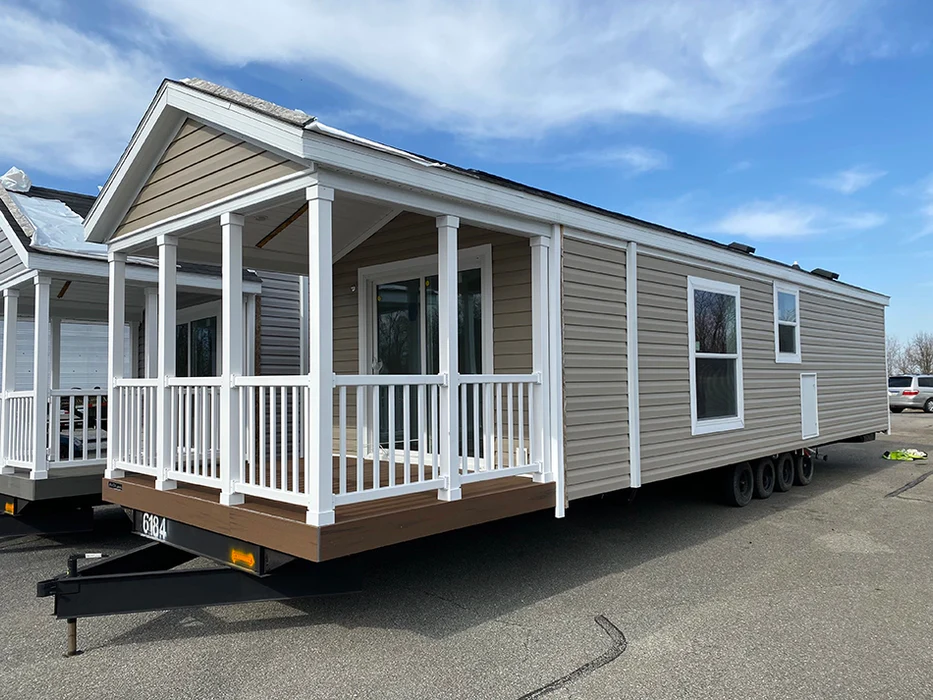
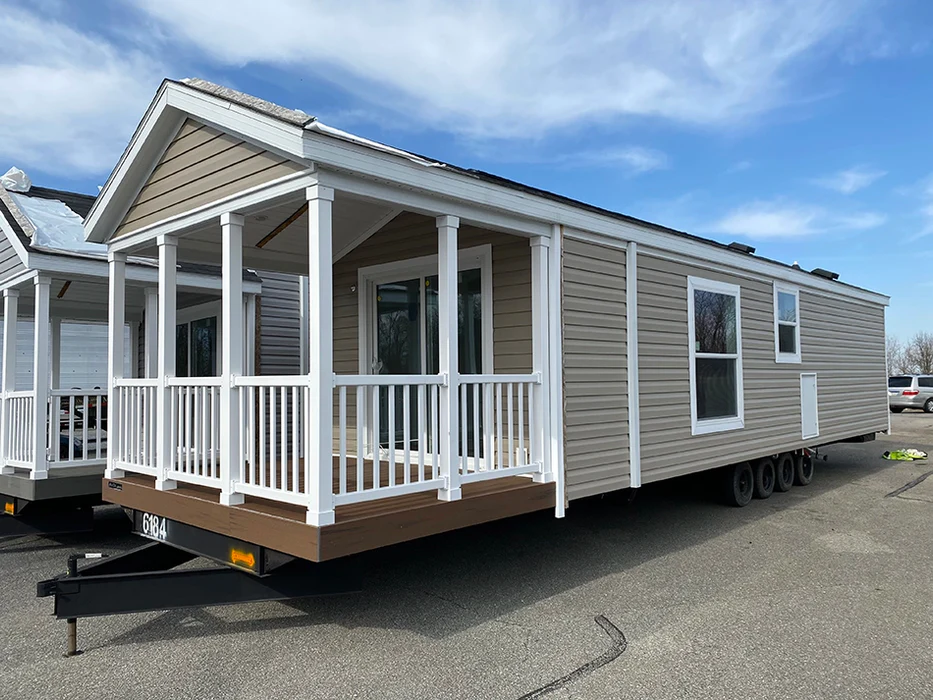
If you are still looking for the perfect home to put on your land, take a look at the Baby Boujee 3 Bed Single Wide. It is a fantastic option for rural setups and pairs beautifully with a 500-gallon propane system. And if you need help navigating local permits, financing, or site setup, please don’t hesitate to reach out via our contact page. We are here to help!
FAQ
What is the 80/20 fill rule for propane tanks?
Short answer: Propane tanks are only filled to 80% of their actual water capacity to allow the liquid propane room to expand safely as temperatures rise. For a 500-gallon propane tank, this means the maximum amount of fuel it will actually hold is 400 gallons. You should factor this 400-gallon limit into your winter heating budget.
Can I switch propane suppliers if I lease my tank?
Short answer: No, not without breaking your lease and having the tank physically removed. When you sign a tank lease agreement, the provider maintains ownership of the tank, and safety regulations strictly prohibit competitors from filling a tank they do not own. If you want the freedom to switch suppliers, you must buy your tank outright.
How far does a 500-gallon tank need to be from my mobile home?
Short answer: Generally, national fire safety codes require a 500-gallon propane tank to be placed at least 10 feet away from any structure, including your mobile home, and at least 10 feet away from any property lines. Always check with your local permit office, as specific municipal codes or transport delivery route requirements may dictate a slightly different placement.