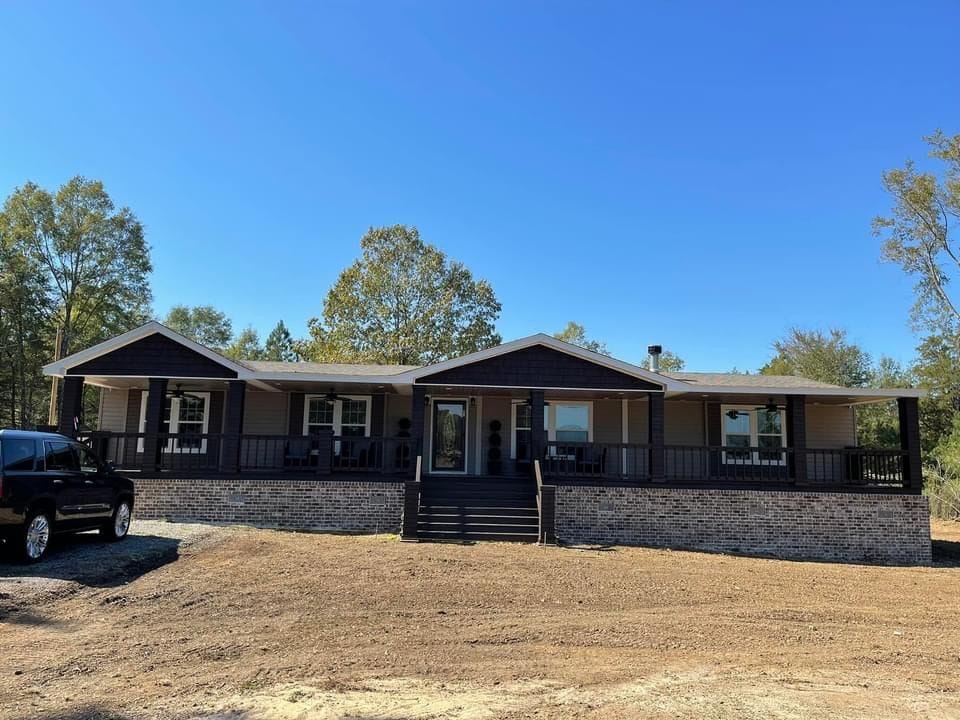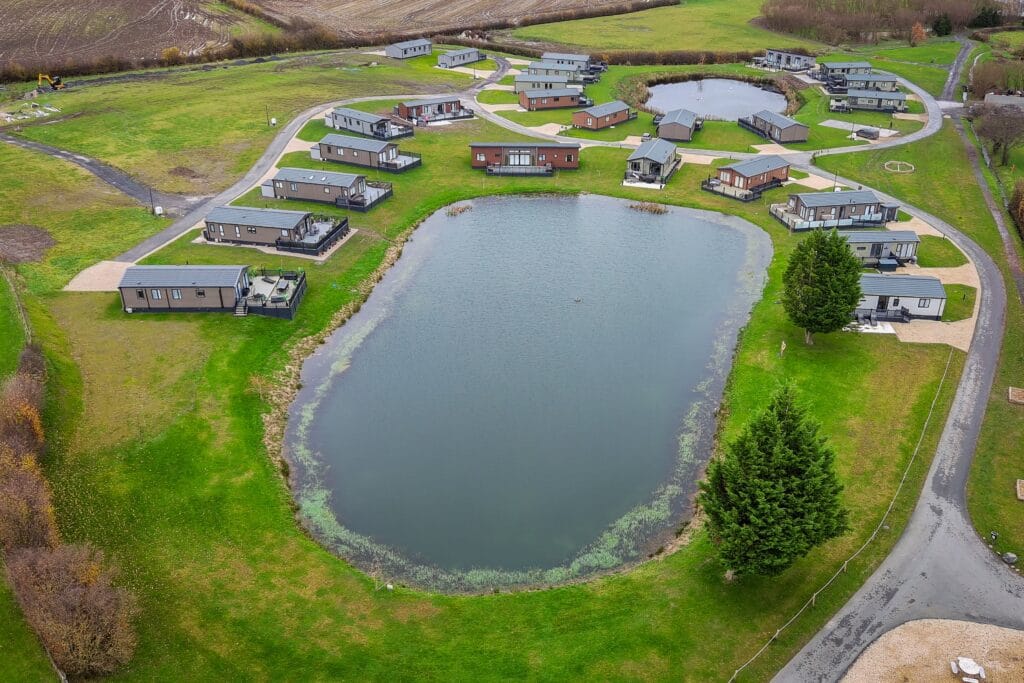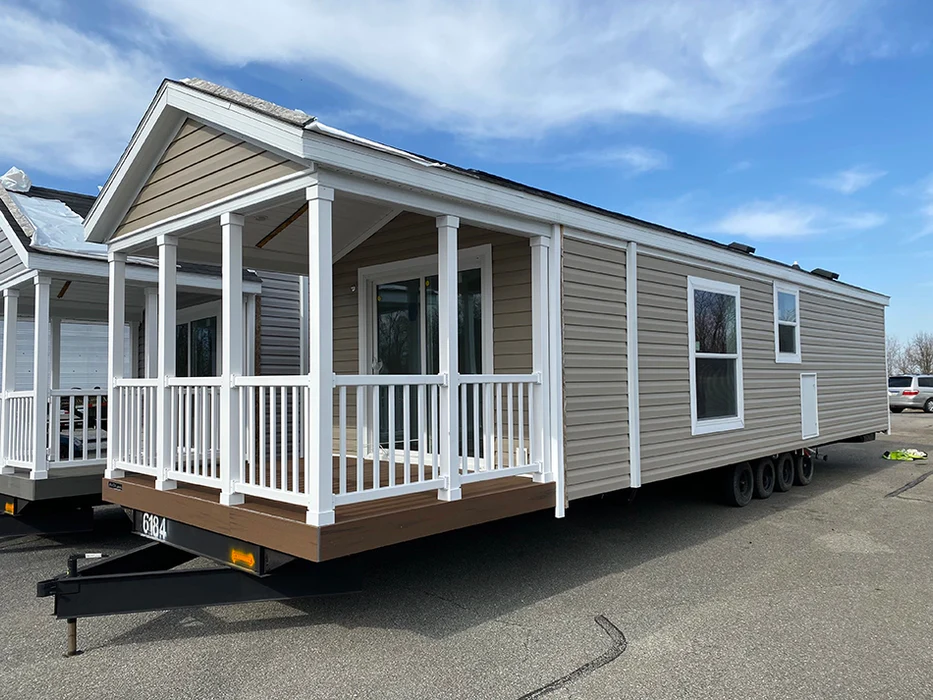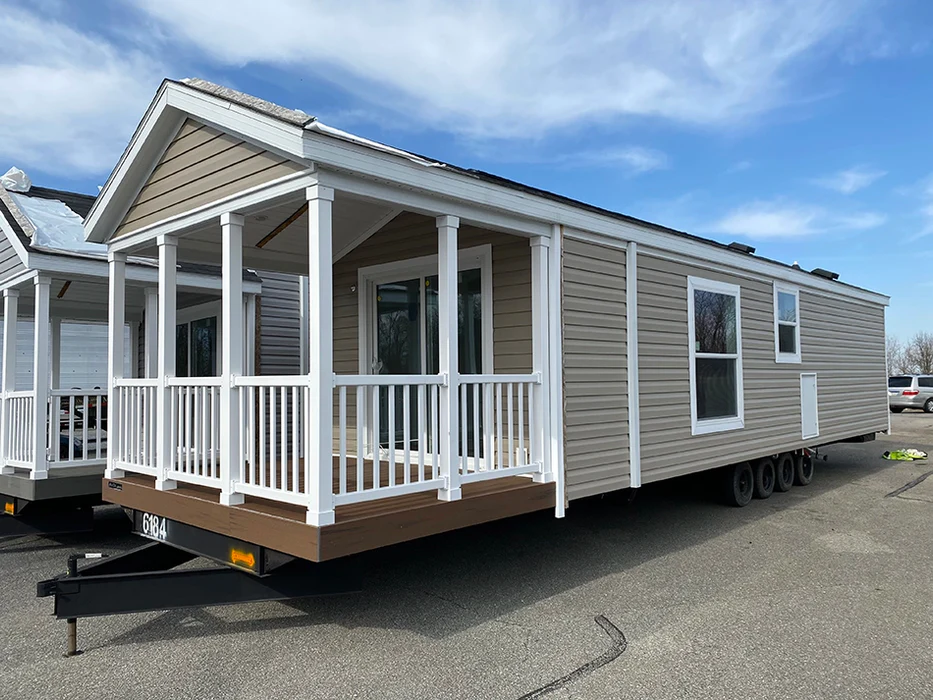
Picture this: we’re walking across our dealership lot here in Georgia on a humid July morning. I’m showing a young couple three different homes to help them understand their setup options. First, we stop at a budget-friendly single-wide. I tap my boot lightly against the base. “This is traditional vinyl skirting,” I explain. “Great for tight budgets, but you have to ventilate it right.” Next, we walk over to a family-sized double-wide outfitted with tough exterior siding. “This,” I tell them, pointing to the base, “is pole barn metal. It’s exactly what you want if you have weed whackers and active kids running around the yard.” Finally, we stroll up to our premium multi-section model sitting proud behind high-end masonry-style materials. “Looks just like a site-built home foundation, doesn’t it?”
That lot walk is a conversation we have every day in 2026. Skirting isn’t just a cosmetic trim; it’s the armor protecting your foundation, plumbing, and subfloor. After interviewing dozens of recent single-wide buyers, we have gathered clear insights on which skirting kits actually hold up in the Southeast.
What Are the Best Mobile Home Skirting Kits Ranked by Local Owners?
Short answer: Based on our client feedback, metal panels and polyurethane faux rock take the top spots for durability, while upgraded vinyl remains the champion of affordability.
When our customers evaluate their options, they are looking at a balance of cost, ease of installation, and long-term maintenance. Here is how local buyers rank the best materials currently on the market:
1. Pro-rib Metal and Pole Barn Steel
For our buyers moving onto rural land, nothing beats agricultural-grade metal. Unlike older tin that dents easily, modern pro-rib metal and pole barn steel are incredibly rigid. They can take a direct hit from a rogue weed whacker or a stray baseball without showing damage.
Best for: Rural lots, families with active kids, and properties requiring high durability.
Watch out for: It can look a bit industrial for high-end neighborhood parks.
2. Faux Rock Panels
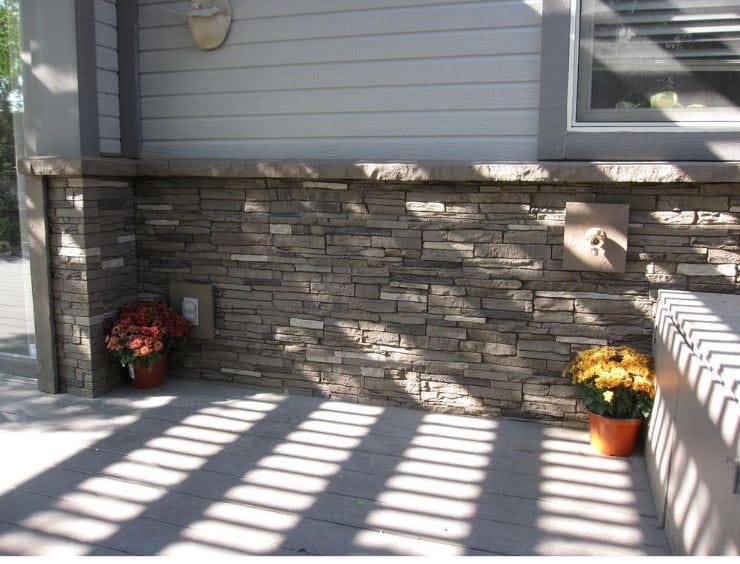
If you want the look of stone without the heavy masonry work, high-density polyurethane faux rock panels are excellent. Because they are basically heavy-duty foam and plastic, they are entirely impervious to water, making them perfect for Georgia’s wet climate.
Best for: Premium aesthetic upgrades and excellent insulation.
Watch out for: They sit at a higher price point than vinyl or basic metal.
3. Heavy-Duty Vinyl Skirting
When checking standard 14×70 mobile home specifications, you’ll find that vinyl skirting is the most common default. It’s inexpensive, DIY-friendly, and simple to cut. However, our buyers stress the importance of buying “heavy-duty” kits and ensuring your skirting channels are installed perfectly level so the panels don’t buckle when the ground shifts.
Best for: Tight budgets, park communities, and DIY owners.
Watch out for: Brittle cracking in cold snaps or damage from lawn mowers.
4. Concrete Skirting (or Block)
Many buyers ask for block or concrete skirting to create a permanent look. It offers maximum protection against rodents and weather. However, we always remind buyers: will concrete skirting make my mobile home foundation permanent? Not by itself. While brick, block, or concrete skirting is often a requirement for a permanent foundation, the actual framing must be properly anchored and tied to the earth. The skirting is just the protective perimeter; the anchors and strapping do the heavy structural lifting.
Why Does Georgia Weather Demand Better Skirting?
Short answer: Georgia’s combination of extreme summer humidity and sudden, heavy downpours creates the perfect breeding ground for mold and wood rot if your skirting isn’t properly ventilated and moisture-resistant.
When you live in the Southeast, moisture management is the name of the game. If you use cheap, unventilated wood skirting, the trapped humidity under the home will quickly lead to floor joist rot and mold issues. Your skirting must have continuous venting—typically one square foot of vent space for every 150 square feet of floor space. We strongly recommend cross-ventilation, ensuring that wet air can flow through the skirting channels and exit the other side of the home.
How Can You Ensure Easy Maintenance and Access to Your Skirting?
Short answer: Always install your skirting with removable panels or a designated access door so that plumbing, HVAC, and foundation technicians can easily get underneath the home.
We see it all the time: a homeowner permanently seals their foundation, and six months later, they need a plumber. You must preserve under-home access. For instance, when you look at a single-wide, the manufactured home leveling process is relatively straightforward. The technicians get under the skirting, check the I-beams, and adjust the mobile home pier systems along a single axis. It’s a quick job, perfect for tight budgets and smaller rural lots—but only if they can easily remove the skirting panels to get to work. To better understand what goes into this process, you can read our guide on Single-Wide vs. Double-Wide: Professional Mobile Home Leveling Costs in Texas.
Are You Ready to Upgrade Your Home’s Protection?
Short answer: Upgrading your skirting is one of the highest ROI improvements you can make, protecting your foundation and instantly boosting your home’s curb appeal.
If you are replacing an older home or tearing down an abandoned unit on a new piece of land, you might be dealing with old, hazardous materials. It is always wise to consult resources like the EPA’s Abandoned Mobile Homes Toolkit Best Management … for safe disposal practices before you install your new kit.
Whether you’re shopping for a durable new primary residence like our beautiful Champion Single-Wide, or you just need advice on outfitting your current setup, we are here to help. If you need help deciding on materials or financing your setup, reach out to our team at our contact page.
Frequently Asked Questions
Does concrete skirting make my foundation permanent?
No, concrete skirting alone does not make a foundation permanent. While it is often a requirement for permanent foundation compliance, the actual framing must be properly anchored and tied to the earth. The skirting serves only as the protective perimeter.
How much ventilation does my mobile home skirting need in Georgia?
The standard rule of thumb is one square foot of ventilation for every 150 square feet of floor space. In humid states like Georgia, maximizing cross-ventilation is critical to prevent moisture buildup, mold, and wood rot in your floor joists.
Can I install new skirting directly over my old skirting?
No, you should never install new skirting over old, damaged materials. Leaving old skirting in place can trap moisture, hide pest infestations, and block proper ventilation. Always remove the old skirting, inspect your ground vapor barrier, and install the new kit cleanly into leveled skirting channels.