The 2026 Market Shift: Why Are Lenders So Obsessed with Foundations?
Short answer: Lenders are increasingly worried about climate-driven soil shifting and extreme weather. They require proof that your home is permanently anchored so their investment (your 30-year loan) doesn’t literally sink into the ground.
GOOGLE NEWS TAKE: If you’ve been following manufactured housing headlines in 2026, you’ve likely seen a sudden spike in stories about buyers losing their financing just days before closing. Tighter FHA appraisal standards and increased scrutiny from national underwriters have made foundation integrity the number one hurdle for closing. Just last month, I had a couple—let’s call them Mark and Sarah—sitting in my office in tears. They found their dream double-wide on an acre of land, but their lender paused the closing because the original pier setup didn’t meet current permanent foundation guidelines.
Here is our practical dealership take: Do not let these headlines scare you away from buying. The rules have gotten stricter, but the solutions are straightforward. What has changed is that lenders now almost always demand a structural engineer’s certification before clearing an underwriting contingency. What hasn’t changed is our ability to fix these issues. As a buyer, you need to understand exactly what the inspector is looking for so you can negotiate effectively before signing the final paperwork.
How Georgia’s Red Clay Impacts Your Mobile Home Foundation
Short answer: Red clay expands when wet and shrinks when dry. Without deep footers and proper drainage, this soil instability will shift your home’s piers, causing structural damage.
Here in Georgia, we don’t just build on standard dirt; we build on heavy, dense red clay. When it rains, this clay acts like a giant sponge. When it dries out during our hot summers, it contracts and cracks. This constant expansion and contraction creates immense soil instability.
To combat this, the home’s pier and beam system must have adequate load-bearing capacity designed specifically for the weight of the home and the bearing pressure of the clay. If the original installer cut corners and placed concrete blocks directly on the topsoil without pouring deep concrete footers below the frost line, your home is at high risk for foundation settlement. You’ll start to notice doors sticking, floors squeaking, and eventually, drywall cracking.
What Does a Quality Foundation Look Like During Pre-Closing Inspection?
When you or your inspector crawl under the home, you are looking for specific HUD-code compliance markers that ensure long-term durability. It is not just about the blocks; it is about how the whole system interacts with the environment.
Best for / Watch out for:
Watch out for: Missing vapor barriers on the ground. Without a thick plastic barrier, humidity rises directly from the damp clay into the wooden floor joists, causing massive moisture infiltration and eventually rot.
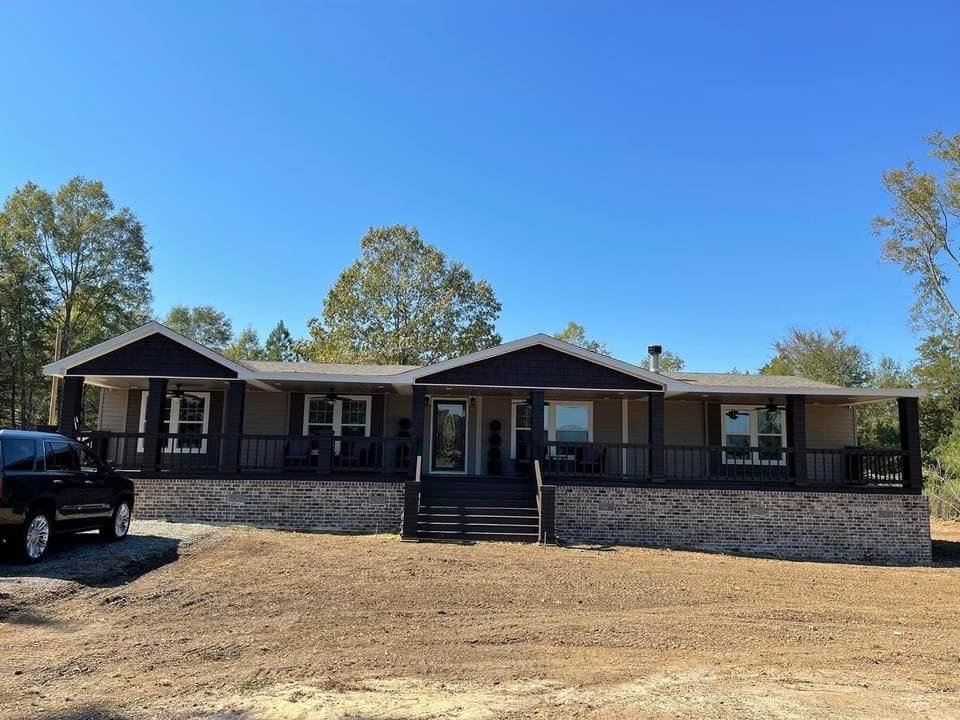
Best setup: A fully skirted perimeter with proper ventilation, galvanized steel tie-down straps anchored deeply into poured concrete footings, and a graded landscape that directs water away from the home.
If the home has a solid perimeter wall (like brick or cinder block skirting), the inspector will also look for signs of lateral hydrostatic pressure. This happens when water pools against the outside of the wall, pushing inward. A quality setup will always feature French drains or sloped grading to keep water moving away from the foundation.
What Happens if the Foundation Fails Inspection?
Short answer: You negotiate repairs with the seller and hire a contractor to install an engineered retrofit system to satisfy the lender.
One of the most common questions we get from buyers is: Who orders the foundation inspection, the buyer or the seller? Usually, the buyer pays for the inspection as part of their loan closing costs. However, if the home fails, it becomes a major point of negotiation on who pays for the required foundation repairs.
If you’re buying a home that currently fails the foundation check, you aren’t out of luck. The solution is an engineered retrofit. This involves installing specialized anchor systems and pan systems that tie the chassis of the home directly to the earth or concrete footers in a way that meets strict permanent foundation codes. Once installed, an engineer will sign off with a structural engineering certification, allowing your loan to proceed.
Keep in mind, foundation rules vary greatly depending on where the home is located. If you are buying on private land, standard mortgage rules apply. To understand the specifics of government-backed loans, check out this external resource on Questions and Answers: Buying a House with an FHA Loan. If you are buying inside a leased-land community, the requirements are entirely different. We highly recommend reading our guide on Everything You Need to Know About Loans for Mobile Homes in Parks to understand your financing options.
Frequently Asked Questions
Who pays for the foundation inspection before closing?
The buyer typically pays for the foundation inspection upfront as part of their standard closing costs and appraisal fees. However, if the inspection reveals that expensive retrofitting is necessary, the buyer can request that the seller cover the cost of the repairs before closing the deal.
Can I get an FHA loan if the home has a post and pier foundation?
Yes, but the post and pier foundation must be properly enclosed and certified by a structural engineer as a “permanent foundation” according to HUD guidelines. Standard blocks resting on dirt without proper footers and tie-downs will not qualify for FHA financing.
How do you fix a foundation that fails inspection?
A failed foundation is fixed by installing an engineered retrofit system. Professional installers will add heavy-duty tie-downs, pour deeper concrete footers, or install specialized foundational brackets to stabilize the home against wind and soil shifting. An engineer then inspects the work and issues an engineer’s certificate for the lender.
Navigating home inspections and closing requirements can feel overwhelming, but you don’t have to do it alone. If you have questions about site preparation, financing, or what to look for in a quality home setup, reach out to our team via our contact page. Looking for a home built to withstand the test of time? Check out the beautifully constructed Commodore TS1005P Single Wide to see top-tier manufacturing in action.