The Rent vs. Own Wake-Up Call (And The Setup Reality)
Just last week, I was speaking with Sarah, a renter in a busy California suburb. She had a major “rent vs. own” wake-up call when she realized her $2,800 monthly rent payment was virtually identical to what she’d pay to finance a brand-new manufactured home on a nice piece of land. She started mapping out her path to ownership, excited to finally build equity instead of handing over her paycheck to a landlord. But as she researched the maintenance side of ownership, she hit a snag: mobile home leveling costs.
Sarah had been reading national forums where buyers boasted about cheap foundation maintenance in the South. When she got her first local estimates for maintaining her future home, she was taken aback. As mobile home dealers, we see this confusion daily. The news throughout early 2026 has been full of reports on fluctuating maintenance and contractor costs nationwide, but the gap between coastal and southern states is widening. Let’s break down exactly why maintaining your home’s foundation here costs more, and why it’s worth every penny to protect your investment.
How Much Does it Cost to Relevel a Mobile Home in California?
Short answer: Generally, releveling a single-wide or double-wide home in California costs between $600 and $1,500, depending on the severity of the foundation settlement, ease of access under the skirting, and whether your pier shims need total replacement.
When clients express fear about foundation work based on recent news of inflation, they are usually surprised to hear how affordable standard mobile home leveling actually is compared to traditional stick-built foundation repairs. However, if you compare these numbers to the much lower rates seen in the South, you might feel some sticker shock. If you want to see exactly how those southern numbers break down, check out our guide on Single-Wide vs. Double-Wide: Professional Mobile Home Leveling Costs in Texas.
Why Are California Prices Higher Than Texas Standards?
Short answer: California requires highly specific seismic anchoring, rigorous local permitting, and specialized contractor licensing that states like Texas simply do not mandate to the same degree.
As industry experts, we closely monitor construction news and regulatory updates. In 2026, the cost fluctuations in mobile home maintenance are heavily tied to local compliance. In Texas, a leveling job might just mean a contractor with a couple of hydraulic jacks and some fresh wooden shims. Here, we are dealing with earthquake country. The state mandates strict compliance regarding structural stabilization. Every time we adjust the foundation blocking, we have to ensure the anchoring systems are still in perfect compliance with state seismic codes.
Additionally, the red tape is thicker. The administrative overhead of operating a compliant contracting business here—including high insurance premiums and sometimes even localized transport permits when heavy machinery or massive steel pier systems need to be moved to a rural site—naturally drives up the baseline cost of any service visit.
Key Factors Driving Your 2026 Leveling Estimate
If you’re trying to decide whether to budget for the high end or the low end of that $600 to $1,500 range, consider these factors:
- Home Size: A single-wide mobile home naturally has a smaller footprint and fewer piers to adjust than a massive multi-section home.
- Severity of Settlement: If you’ve ignored the problem for years, a double-wide mobile home might have sinking piers that require extensive digging and complete shim replacement.
- Access: Hard-to-remove skirting or low ground clearance adds labor hours to your mobile home leveling job.
DIY vs. Professional Leveling: A Risky Trade-off
With maintenance costs making headlines, many buyers ask me, “Can I just level my home myself?”
Short answer: No. While DIY might save you $1,000 upfront, a botched leveling job can void your home’s warranty, crack your drywall, snap your plumbing, and leave your home vulnerable to earthquakes.
We always advise that structural stabilization is best left to licensed professionals. It’s not just about turning a wrench; it’s about understanding load distribution across complex anchoring systems. Interestingly, if you are setting up homes for agricultural operations where you might be housing farm workers, maintaining your foundation properly isn’t just about safety—it’s a strict business compliance issue. For specific tax implications on farm maintenance, you can reference Publication 225 (2025), Farmer's Tax Guide | Internal Revenue Service.
The Decision: Factoring Maintenance Into Your Purchase
If you are like Sarah, looking to transition from renting to owning, don’t let maintenance costs scare you away. Yes, California has higher baseline standards than Texas, but those standards result in a safer, more resilient home. Planning a budget that includes $600 to $1,500 every 3 to 5 years for leveling is a small price to pay for the equity and stability of owning your own property.
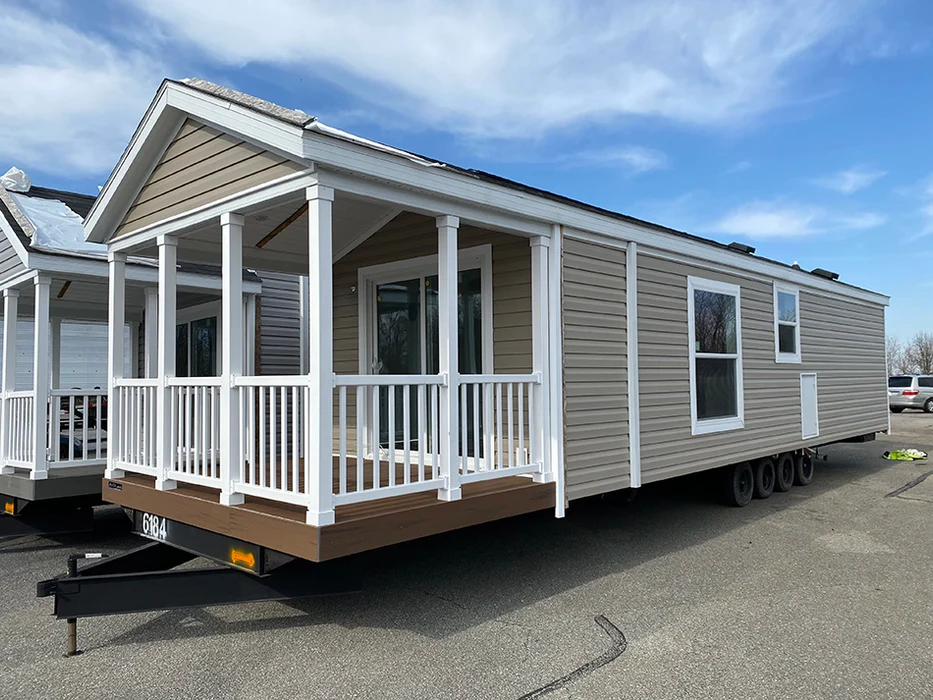
Ready to explore beautiful, easy-to-maintain homes that fit your budget? Check out the Cavco Clarion 560BZ14602B Single-Wide Home, a fantastic entry point for first-time buyers. If you need help navigating local setup costs or want to discuss financing options, reach out to our team today.
Frequently Asked Questions
How often does a mobile home in California need releveling?
Short answer: You should have your home’s level checked every 3 to 5 years, or within the first year of a new installation as the ground settles.
California’s varied terrain, from shifting coastal soils to dry desert sand, means the earth beneath your home is always moving slightly. Regular checks ensure minor adjustments don’t turn into major structural repairs.
Can a bad foundation ruin my double-wide mobile home?
Short answer: Yes. If a home remains unlevel for too long, the uneven stress can cause permanent damage.
You might notice doors that won’t close, windows that jam, or cracks forming in your drywall. In severe cases, poor weight distribution can actually warp the steel chassis of the home or break underground utility connections.
Will my insurance cover mobile home leveling?
Short answer: Typically, standard preventative maintenance like routine leveling is not covered by insurance.
However, if your home requires structural stabilization due to a covered peril—such as a burst pipe that washed out the soil beneath your foundation blocking—your policy may help cover the cost of the repair and releveling. Always check your specific policy details.