I was sitting at my desk just last week talking with a customer named Sarah. She had recently bought a beautiful piece of land out in East Texas and came to me terrified because her front door suddenly wouldn’t latch and her floors felt “spongy.” As a local dealership that works hands-on with these homes every day, we know that Texas buyers have unique concerns. Weather patterns, tight transport routes, strict local permits, and our famously stubborn clay soils make your home’s setup details absolutely critical.
When we review our 2026 service logs and recent client survey insights, the number one anxiety for both new and seasoned owners is foundation trouble. But here’s what I tell every buyer: maintaining your home is far easier and cheaper than you might think. Let’s dive deep into the real costs and structural differences between single-wide and double-wide leveling.
How Do Texas Soils Affect Foundation Settlement?
Short answer: Texas is infamous for its expansive clay soils, which swell significantly during heavy rains and shrink during dry spells, leading to inevitable foundation settlement over time.
We hear it constantly in our buyer interviews: “Why is my house shifting after only a few years?” The truth is, the ground underneath your home is essentially breathing. As the soil shifts, it places uneven pressure on your pier and beam foundation. While this is a common part of homeownership, ignoring it can compromise your home’s structural integrity. In fact, as highlighted in historical engineering outlines like [PDF] The Mobile Home- Creative Solution To a Challenge, proactive site prep and ongoing maintenance are what keep manufactured housing both durable and highly affordable.
What Are the Differences Between Single-Wide and Double-Wide Leveling?
Short answer: Single-wides are faster and less expensive to level because contractors only adjust one continuous chassis, while double-wides require precise syncing of two separate sections across a wider footprint to prevent roofline leaks and floor buckling.
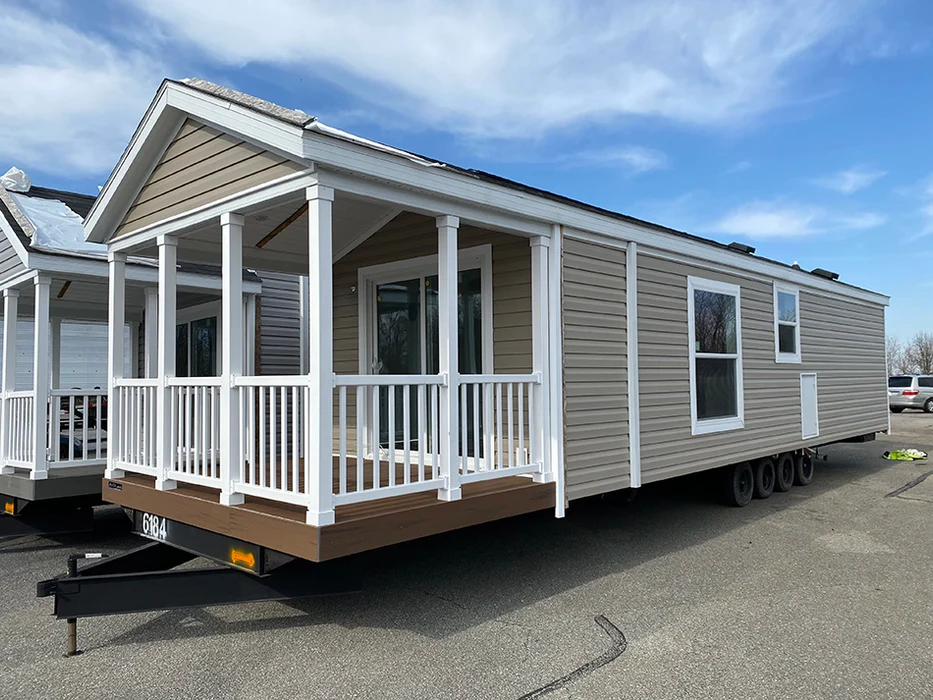
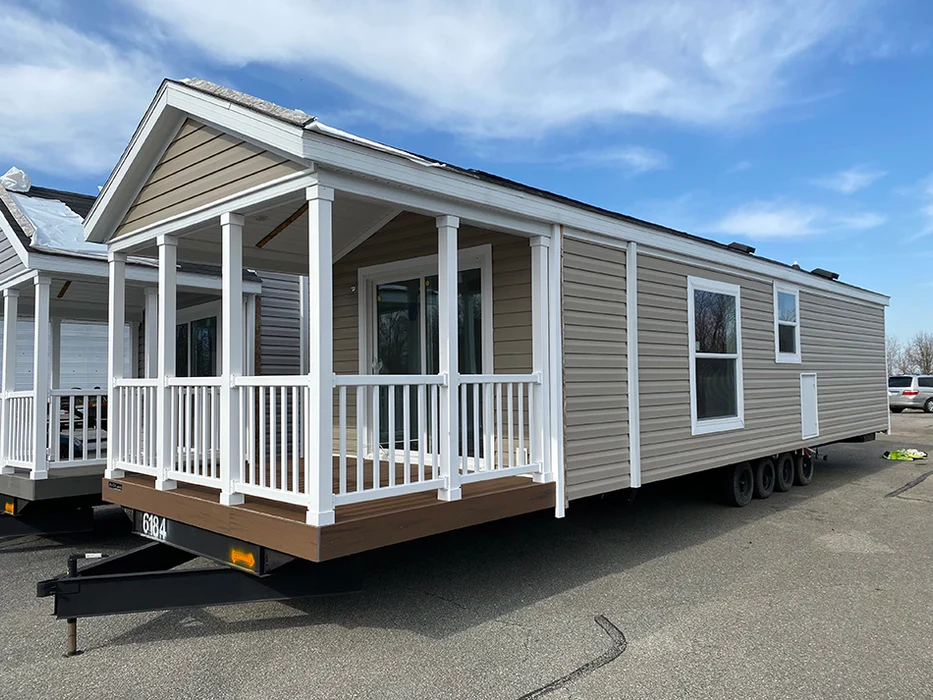
When you look at a single-wide, the manufactured home leveling process is relatively straightforward. The technicians get under the skirting, check the I-beams, and adjust the mobile home pier systems along a single axis. It’s a quick job, perfect for tight budgets and smaller rural lots.
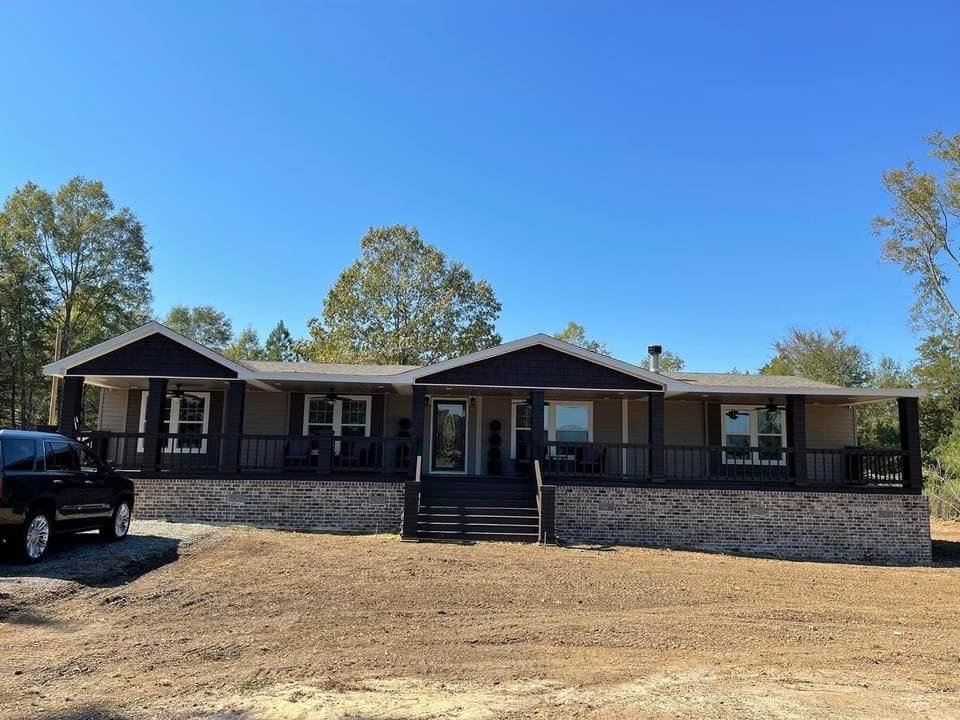
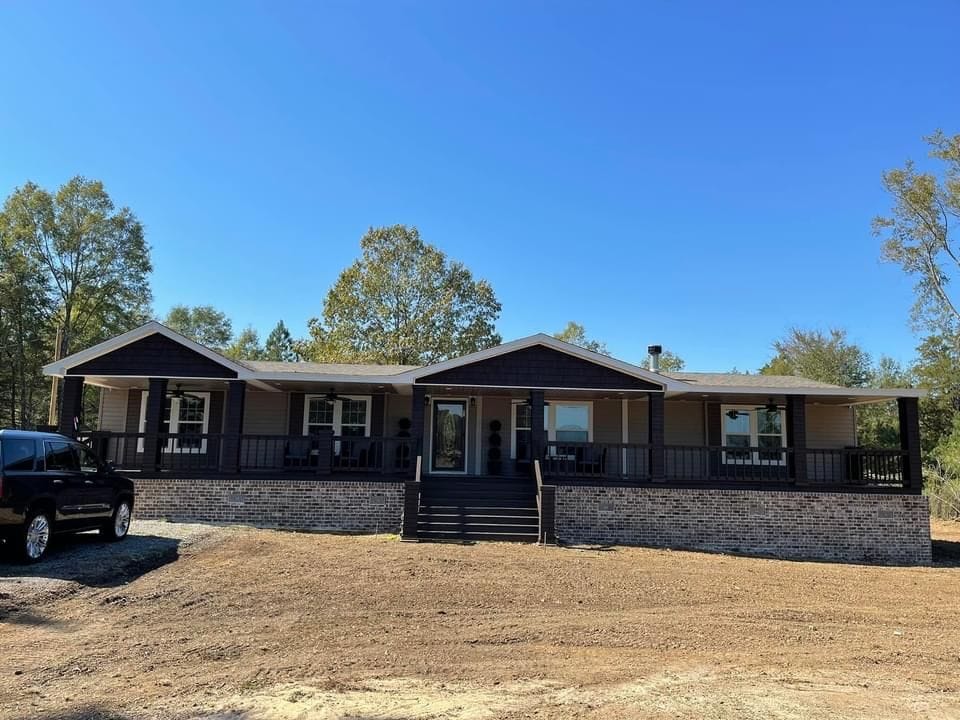
A double-wide, however, is essentially two distinct homes joined at the marriage line. If one side settles faster than the other due to uneven moisture in the soil, the stress on that marriage line can cause serious damage. Leveling a double-wide takes more time, specialized tools, and a meticulous eye for detail to ensure both halves are perfectly recalibrated.
- Best for Fast, Budget-Friendly Maintenance: Single-wides. Fewer piers mean lower labor costs and faster turnaround times.
- Watch out for: Double-wides showing gaps at the ceiling or floor seam. This means the two halves are pulling apart, and you need professional releveling immediately to avoid water damage and costly repairs.
How Much Does Professional Manufactured Home Leveling Cost?
Short answer: Generally, releveling a single-wide or double-wide home costs between $600 and $1,500, depending on the severity of the foundation settlement, ease of access under the skirting, and whether your pier shims need total replacement.
When a client expresses fear about foundation work, they are usually surprised to hear how affordable standard leveling actually is compared to traditional stick-built foundation repairs. We consistently see these numbers hold steady across various regions. Whether you are leveling a home in California or recalibrating one right here in Texas, the final price tag hinges heavily on how difficult it is for the crew to navigate under your home and how much physical material—like cinder blocks, steel piers, or treated wood—needs swapping out.
Why Is Professional Maintenance Better Than DIY Structural Shimming?
Short answer: DIY leveling puts you at extreme physical risk and can easily warp your home’s steel frame, whereas licensed and bonded contractors carry the insurance, tools, and expertise required to properly recalibrate your home.
We’ve seen the aftermath of well-meaning homeowners trying to use hydraulic car jacks and scrap wood for structural shimming. It almost never ends well. Licensed professionals understand how to distribute weight evenly across the entire footprint without snapping axles or cracking drywall. Plus, professional leveling often comes with a warranty. If you’re comparing regional requirements, such as hurricane tie-downs versus tornado anchoring, you can see how specific local codes influence foundation setups in our comprehensive guide: Mobile Home Foundations in Florida: A Guide to Piers, Leveling Shims, and Hurricane Compliance.
If you’re dealing with constant leveling issues and are ready to upgrade to a fresh foundation setup rather than pouring money into an older unit, check out our favorite resilient model: The Boujee 56 3-Bed Double Wide. Or, if you need localized advice on setups, permits, and financing, reach out to our contact team today.
Frequently Asked Questions
How often should a mobile home be leveled in Texas?
Short answer: We recommend having your home’s level checked one year after initial installation, and then every 3 to 5 years thereafter. Because Texas has highly expansive clay soils, frequent inspections are crucial to catch minor shifting before it causes major structural damage.
What are the first signs my mobile home is unlevel?
Short answer: The most common early warning signs include doors that rub against their frames, windows that refuse to lock, spongy or creaking floors, and visible cracks in your drywall. In double-wides, you may also notice separation or buckling along the marriage line.
Can I finance foundation repairs or a new setup?
Short answer: Yes! Many buyers easily roll the initial setup and leveling costs into their primary financing when purchasing a home. For subsequent repairs later down the road, some personal loans or FHA Title I loans can be utilized. Always talk to a trusted local dealership to understand your specific options.