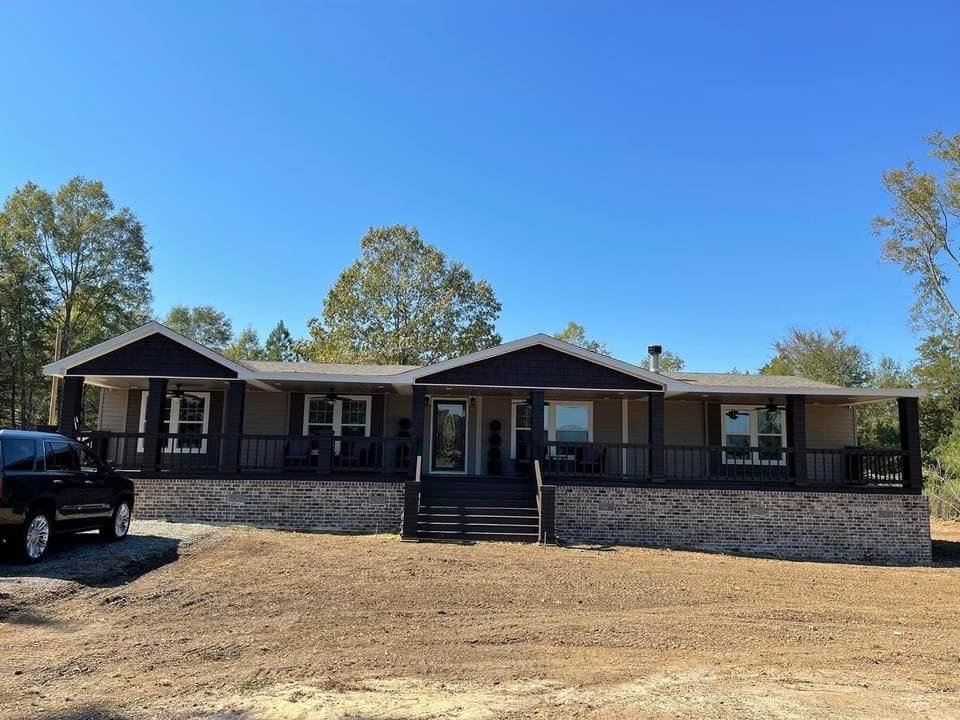
If you’ve been following the 2026 housing market headlines, you’ve probably seen the shift: lenders are cracking down harder than ever on manufactured home foundations. A recent industry report highlighted a massive spike in mortgage denials tied directly to non-compliant foundation retrofits. As an expert mobile home dealer who has walked countless buyers through the closing process, I can tell you firsthand that this isn’t just national news—it’s happening right here in our offices. We regularly see buyers get their dream homes under contract, only to hit a brick wall in underwriting because a previous owner hired an uncertified handyman to “fix” the foundation.
We are constantly stepping in to recommend verified vendor specialists to save a deal. When it comes to your property value, family safety, and long-term financing eligibility, who you hire to work under your home is the most critical decision you’ll make.
Can any general contractor fix a mobile home foundation?
Short answer: No. Manufactured home foundations require highly specialized knowledge of HUD structural compliance that most traditional residential general contractors simply do not possess.
While a general contractor might be fantastic at pouring a traditional concrete slab for a site-built house, working on manufactured homes is a completely different ballgame. Contractors who specialize in mobile home foundations understand exactly how to install Earthquake Resistant Bracing Systems (ERBS), galvanized steel tie-downs anchored into concrete footings, and a compliant perimeter skirt. They know the precise load-bearing requirements necessary to maintain your home’s residential structural integrity. Always ask if a contractor specializes specifically in manufactured homes before letting them bid on your project.
Why is DIY mobile home leveling so dangerous?
Short answer: Improperly lifting a manufactured home can cause catastrophic, irreversible structural damage to the steel frame, floor joists, and interior walls.
Over the years, we’ve seen the aftermath of well-meaning homeowners trying to use hydraulic car jacks and scrap wood for structural shimming. Let me be clear: it almost never ends well. Professional pier and beam leveling is a complex science. Licensed professionals understand exactly how to distribute weight evenly across the entire footprint without snapping axles or cracking drywall. Plus, professional leveling often comes with a warranty that protects your investment and ensures the home settles evenly.
What do lenders require for FHA and VA loans?
Short answer: Lenders require an Engineered Foundation Certification confirming the home meets specific permanent foundation guidelines.
If you’re selling, refinancing, or buying a pre-owned home, meeting strict FHA certification and VA loan requirements is non-negotiable. Once a certified specialist completes the foundation work, a structural engineer must conduct a site-specific foundation inspection and issue an Engineered Foundation Certification bearing a professional engineering (PE) stamp. As we always tell our buyers, this single piece of paper is the golden ticket your lender’s underwriter is waiting for to clear your loan for closing. For official guidelines, you can always reference the Manufactured Housing Homeowner Resources – HUD.
How do you choose the right foundation repair specialist?
Short answer: Verify their license specifically for mobile homes, ask for proof of past engineering certifications, and check local reviews.
Making a decision on a contractor shouldn’t feel like a gamble. As a dealership, we’ve vetted dozens of vendors. Here is what we look for when recommending a specialist to our buyers:
- Best for peace of mind: Look for full-service specialists who handle the entire process—from pulling local permits to arranging the final engineering inspection. This saves you from acting as the project manager.
- Watch out for: Anyone offering unusually cheap “re-leveling” specials off the back of a truck without providing a written contract, liability insurance, or warranty.
If you’re comparing regional anchoring requirements, such as hurricane tie-downs versus tornado anchoring, read our 2026 Standards for Mobile Home Pier Support Systems: What Florida Homeowners Need to Know. It’s a great primer on what your contractor should be doing, no matter what part of the country you live in.
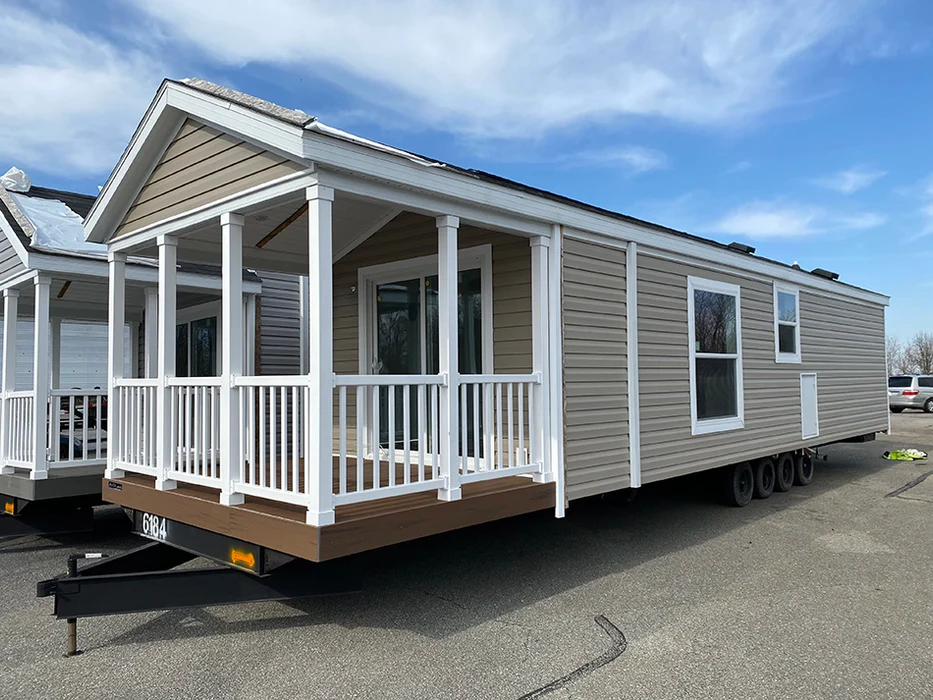
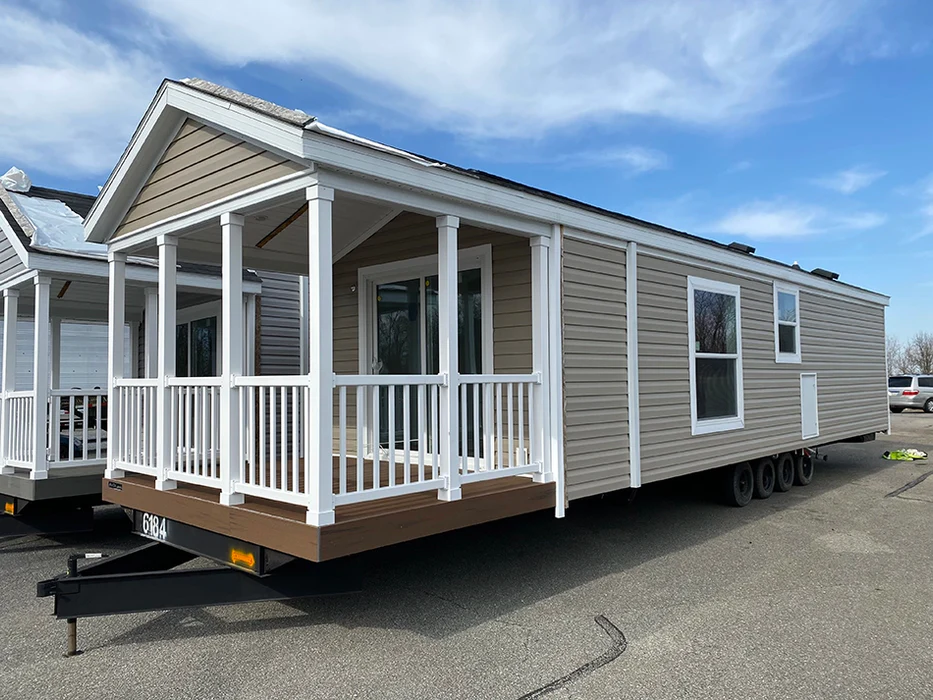
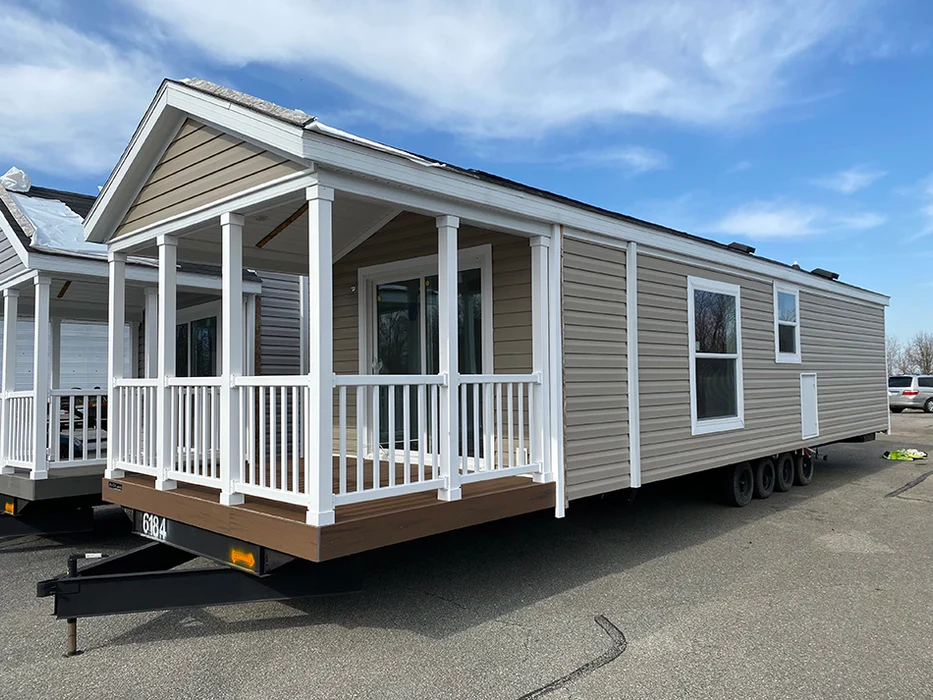
If you need verified vendor recommendations, or if you’re deciding it’s simply time to upgrade to a stunning new home altogether—like the beautiful Commodore TS1008P single-wide—we are here to help. You can easily contact our team, and we’ll point you in the right direction.
Frequently Asked Questions
How much does a certified mobile home foundation inspection cost?
Typically, an inspection by a licensed structural engineer resulting in an Engineered Foundation Certification ranges from $350 to $600. The final cost depends on your location, how remote your property is, and the complexity of the site setup.
Do I need to hire an engineer or a contractor first?
We highly recommend starting with a certified mobile home foundation specialist. They can assess the current state of your foundation, perform the necessary repairs or retrofits to bring it up to code, and then bring in their trusted structural engineer to provide the final site-specific stamp of approval.
Will professional leveling fix doors that won’t close?
Yes, in most cases it will. When a manufactured home settles unevenly over time, the steel frame subtly twists. This causes doors to stick, windows to jam, and floors to creak. Proper leveling redistributes the weight evenly and generally resolves these annoying alignment issues immediately.