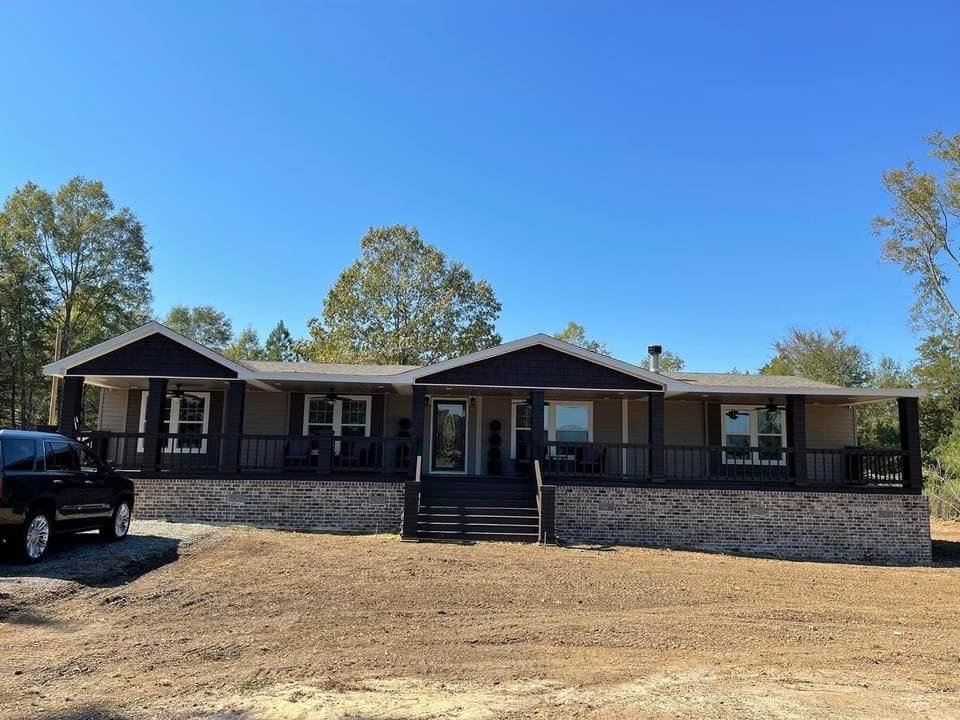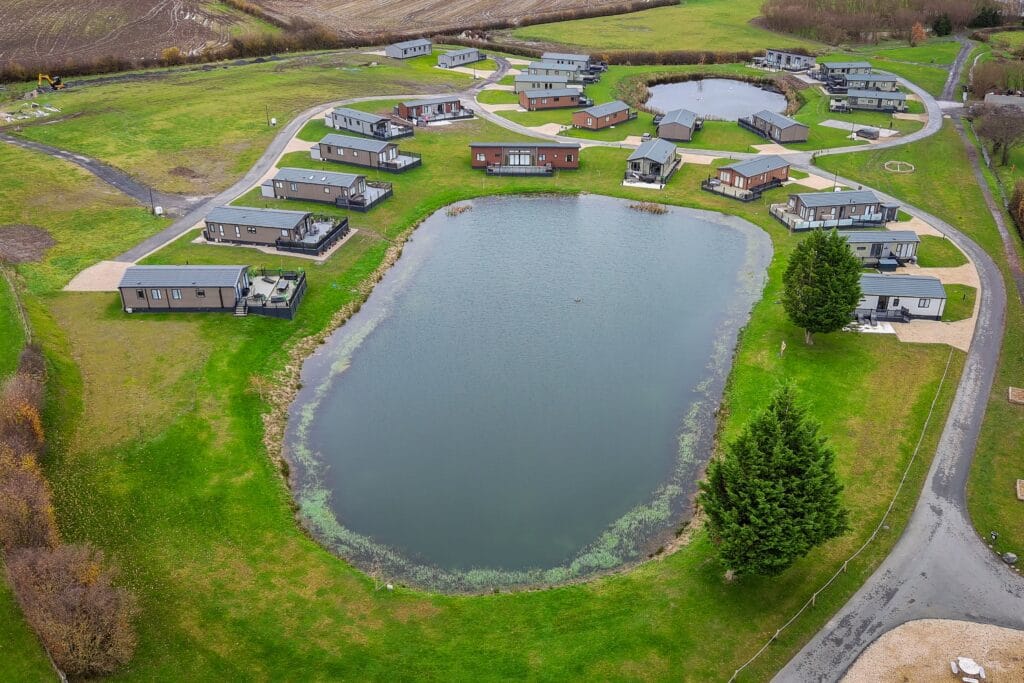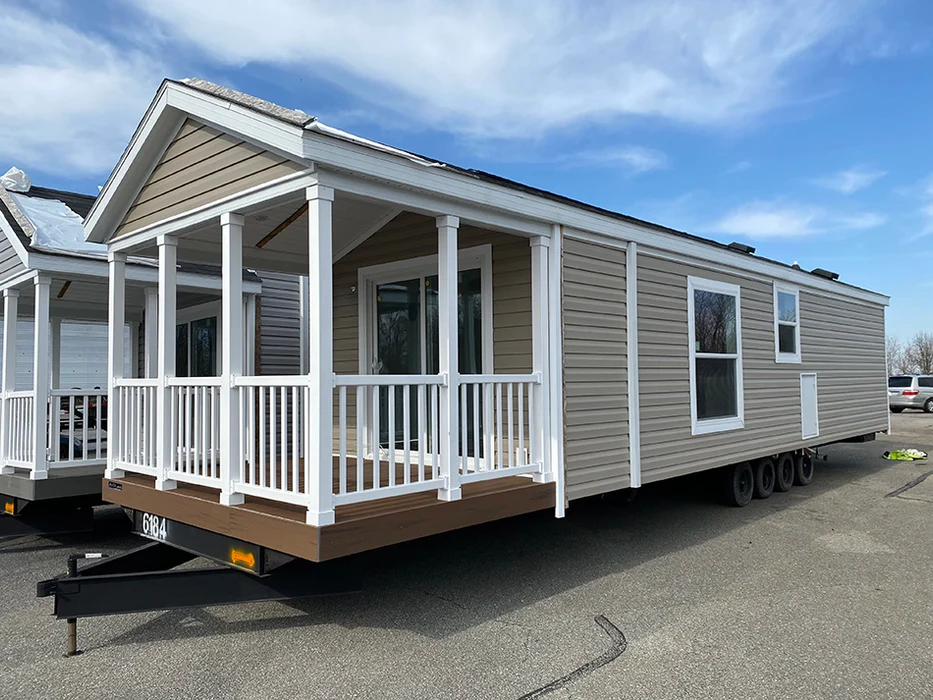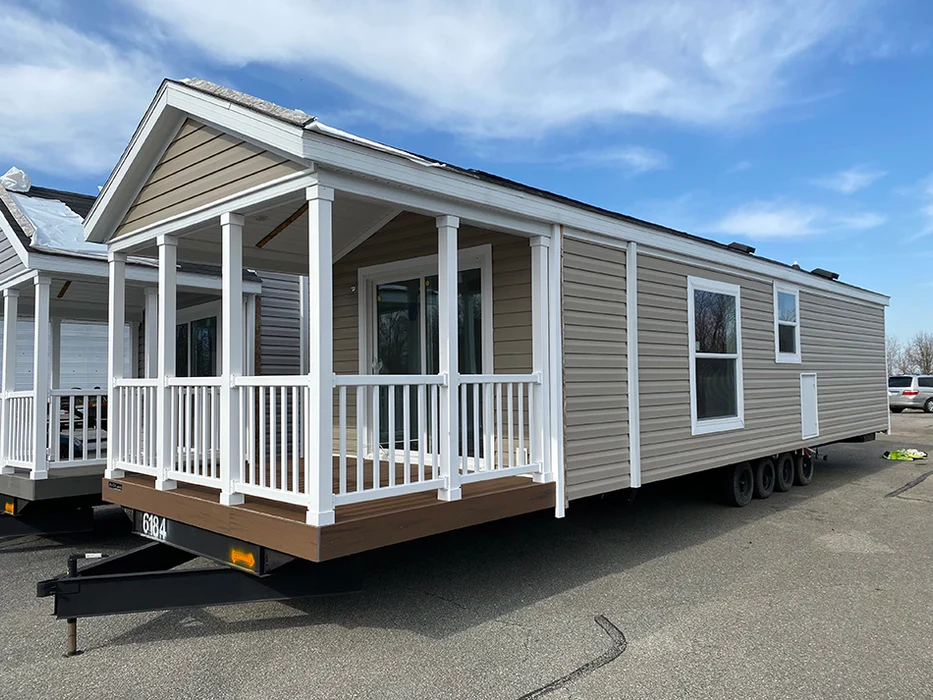
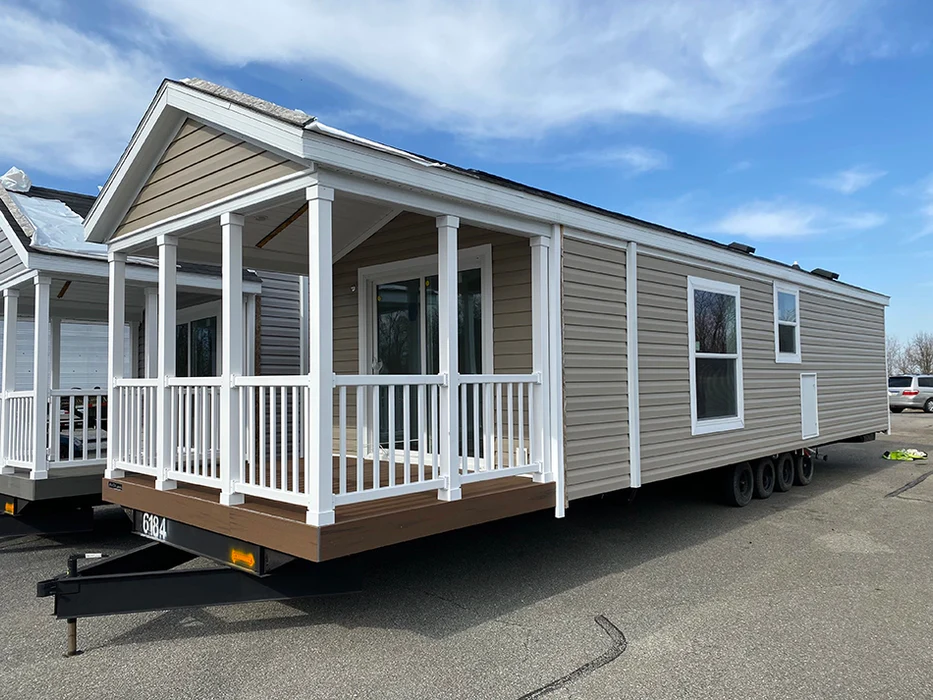
We’ve delivered over 400 homes in Florida over the last decade. Out of curiosity—and a desire to prove a point to skeptics—we tracked the resale value of 50 of them over several years. The results completely destroy the myth that manufactured homes don’t hold value. Homes that were set up on a meticulously engineered, compliant foundation appreciated at rates rivaling traditional site-built homes. Why? Because when a Category 4 hurricane rolls through, a rock-solid foundation is the difference between minor cosmetic repairs and a total structural loss.
As we look toward 2026, the regulatory landscape for mobile home installation is tightening. Protecting your investment means understanding exactly how your home is anchored to the earth and ensuring it meets every state mandate.
What Are the 2026 Wind Zone Requirements for Pier Support?
Short answer: The 2026 requirements demand that homes in high-wind zones utilize heavy-duty ground anchors and specialized tie-down straps capable of withstanding extreme lateral wind loads.
When installing a mobile home in a hurricane-prone state, adhering to the Federal Manufactured Home Construction and Safety Standards (FMHCSS) is non-negotiable. For 2026, the focus is shifting heavily toward preventing uplift and lateral movement. Your home’s main frame I-beam must be secured using galvanized steel straps and an upgraded ground anchor system designed specifically for the soil composition of your lot. We’ve seen firsthand how cutting corners on a ground anchor installation leads to structural shifting during storms, which is why our team meticulously tests soil torque during every single install.
How Does Coastal Flood Elevation Impact Your Setup?
Short answer: Homes in flood-prone areas must be elevated so that the lowest structural member rests safely above the defined base flood elevation (BFE), requiring taller, reinforced pier structures.
Florida’s coastal regions are constantly fighting rising waters. If you are setting up near the coast, your home cannot sit flush to the ground. It must be elevated above the base flood elevation (BFE) dictated by local FEMA maps. To achieve this safely, we use specialized concrete masonry unit (CMU) piers. When piers exceed a certain height—typically 36 inches—they must be double-tiered and mortared, or reinforced with steel and concrete. A taller pier and beam foundation is incredibly resilient, but it fundamentally changes how wind hits the underside of your home, making skirting and venting calculations just as critical as the piers themselves.
Why Strict Pier Spacing Matters for Hurricane Insurance
Short answer: Insurance providers will deny hurricane coverage if your foundation does not perfectly match the home’s engineered specifications and current local building codes.
We constantly field questions from buyers about foundation spacing. While we recently detailed the Mobile Home Pier Spacing Requirements in California: A Buyer’s Guide to Compliance, the core rules apply here in Florida, too. What dictates mobile home pier spacing? Short answer: While the industry standard rule of thumb spaces structural piers every 6 to 8 feet along the frame, the exact required distance is strictly governed by your home’s unique engineering manual and the specific soil conditions of your lot. If an insurance adjuster inspects your home after a storm and finds piers spaced improperly because an installer was cutting corners, your claim could be denied instantly.
Ensuring 2026 Compliance with Professional Installation
Short answer: Partnering with licensed installers guarantees your foundation uses code-compliant materials, proper leveling components, and passes all local municipal inspections.
A mobile home foundation is only as strong as its weakest link. Even if you have the best CMU piers and ground anchors, using cheap, untreated wood shims instead of proper hardwood or high-impact plastic leveling wedges can cause the home to settle unevenly over time. This stresses the marriage line of double-wide homes and warps door frames. Always ensure your installer is following the manufacturer’s manual and the guidelines laid out in APPENDIX AE MANUFACTURED HOUSING USED AS DWELLINGS.
Are you ready to secure a home that meets and exceeds these rigorous standards? We highly recommend viewing our top-tier wind-zone compliant models. Let us handle the heavy lifting and the compliance paperwork so you can move in with peace of mind. Check out our Commodore 3AM2803V Modular Home today to see a fully modern, storm-ready build.
Frequently Asked Questions
How far apart should mobile home piers be?
In most standard setups, piers are placed every 6 to 8 feet along the steel I-beams. However, the exact measurement is strictly dictated by your home’s unique engineering manual and local soil load-bearing capacity.
Can I reuse old ground anchors for a new 2026 installation?
No. Updated standards and Florida state regulations typically require brand new, certified ground anchors for any new installation to guarantee they haven’t been compromised by rust, soil corrosion, or previous storm stress.
Do I need a new engineering manual if my home is moved?
The original engineering manual that came with your home remains the ultimate guide for its structural support. However, local code enforcement may require a customized foundation plan drafted by an engineer based on your new lot’s specific soil rating and wind zone.
How do leveling wedges affect my home’s structural integrity?
Leveling wedges are driven between the top of the CMU pier and the main frame I-beam to ensure the home is perfectly flat. If substandard wedges rot or slip, the home will settle unevenly, causing structural damage, cracked drywall, and reduced hurricane resistance.