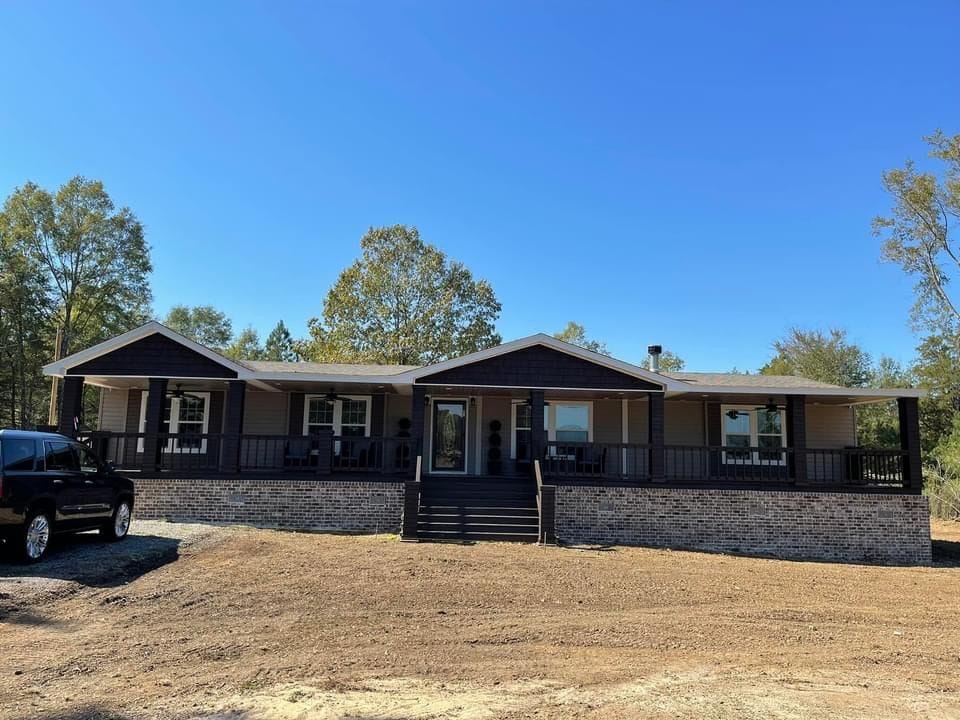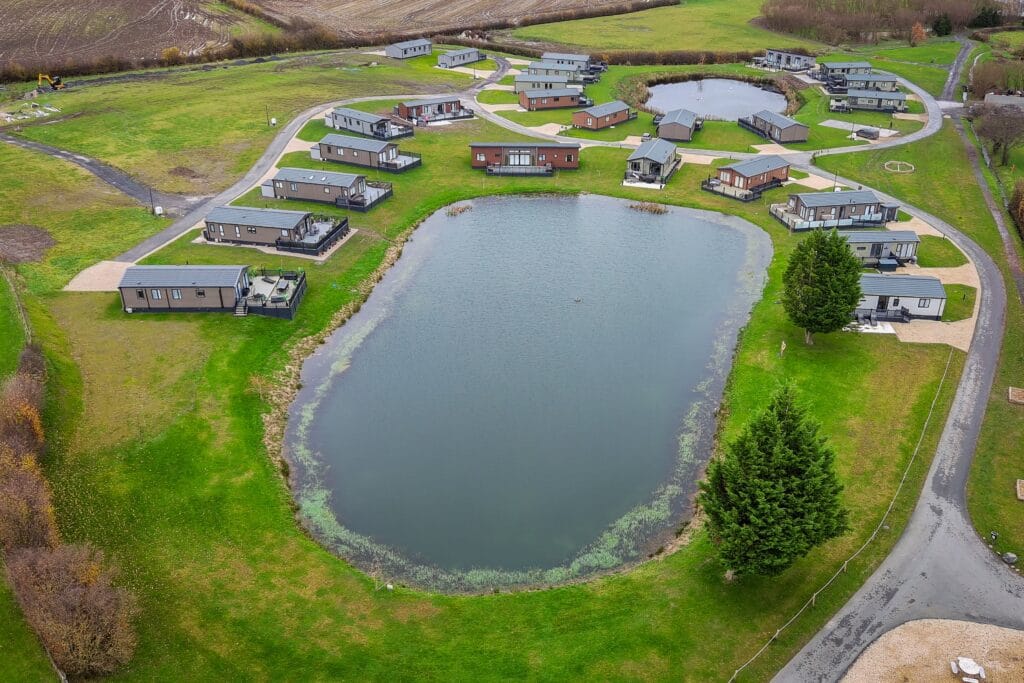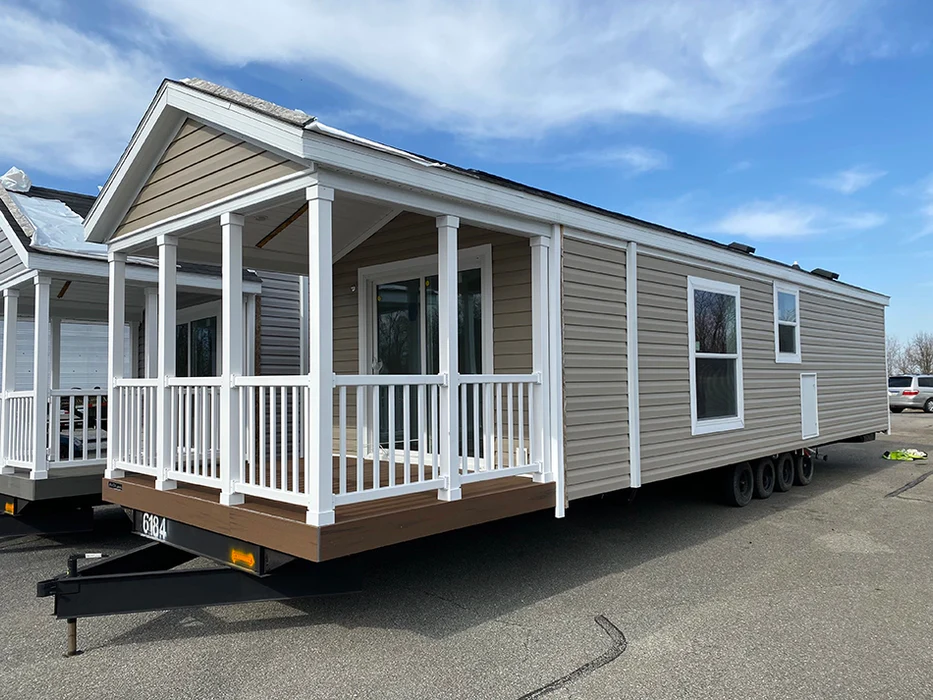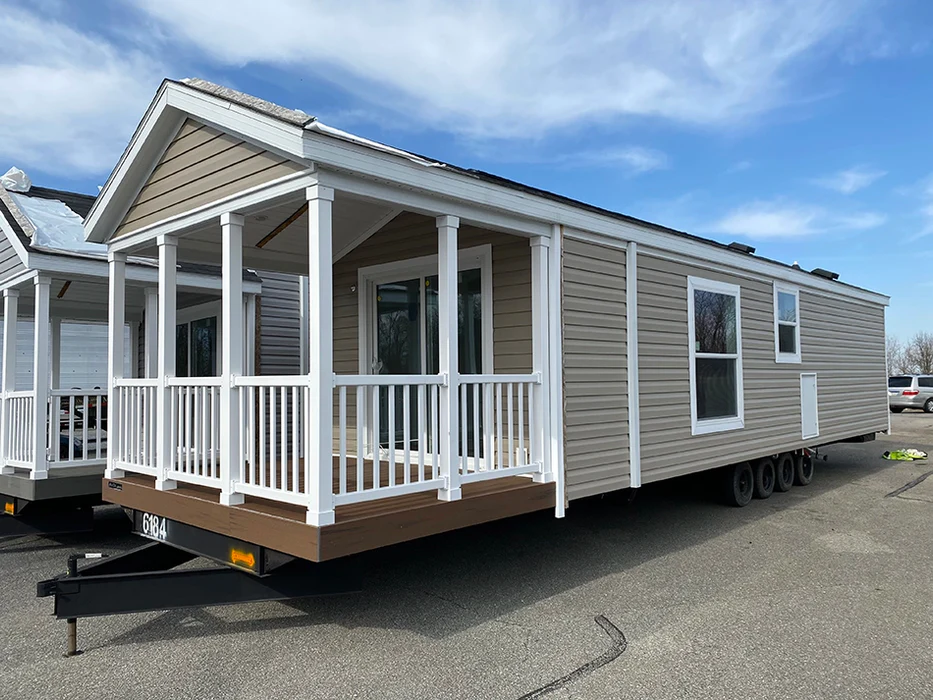
I still remember the crisp morning when Sarah and John’s new single-wide rolled onto their rural lot in Texas. Seeing a new manufactured home arrive on site brings an unmatched wave of emotion—it is the exact moment a piece of raw dirt officially transforms into a homestead. But as we stood there watching the delivery crew position the home, my mind automatically shifted to the setup logistics. A major piece of that puzzle before move-in day? Securing a reliable, budget-friendly power source. For our rural buyers, that usually means navigating the costs and placement of a 500-gallon propane tank.
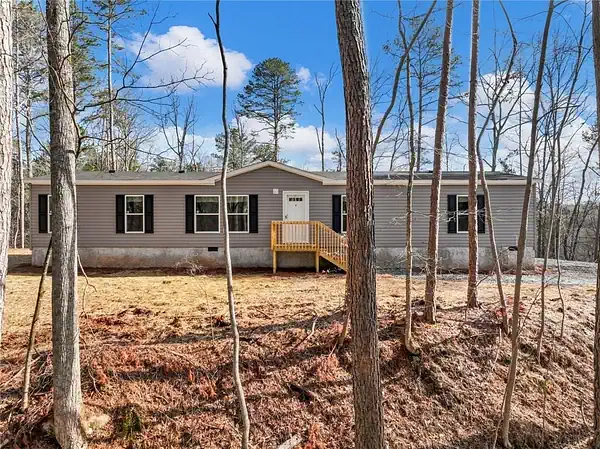
How much does a 500-gallon propane tank cost in Texas?
Short answer: Purchasing a new 500-gallon tank outright costs between $1,500 and $2,500, with basic installation adding $300 to $1,000 depending on terrain and line trenching.
When our buyers begin looking at total ownership costs, the first major decision is tank ownership vs. leasing. If you lease, your upfront cost drops dramatically—often just an installation fee and an annual lease payment under $150. However, leasing ties you to a single propane supplier, meaning you cannot shop around for the lowest fuel rates in Texas during the winter spikes. Buying the tank outright requires more budget upfront but allows you to negotiate fuel prices with any provider, which often saves hundreds of dollars annually.
What are the best ways to reduce propane tank excavation costs?
Short answer: Keep the tank as close to the home as legally permitted, place it in soft soil, and strongly consider an above-ground setup over an underground installation.
To help you stay below a premium price point, let’s break down the most effective ways to lower your site-prep bill:
- Choose an above-ground tank: While an underground installation looks cleaner and keeps your yard pristine, it requires heavy equipment and a massive hole. Choosing an above-ground tank completely eliminates propane tank excavation fees, saving you anywhere from $500 to $1,500.
- Minimize trenching distance: The longer the distance from the tank to your mobile home, the more you pay for propane line installation. Position the tank at the minimum required legal distance (usually 10 feet) to cut down on copper piping and labor.
- Time your installation right: Digging in rural Texas during a summer drought is notoriously difficult. If you must bury lines or a tank, plan your installation when the ground has some moisture to reduce hourly heavy machinery costs.
Best for / Watch out for: Above-ground tanks are best for strict budget buyers who want rapid setup. Watch out for aesthetic drawbacks; however, you can easily mask an above-ground tank with lattice fencing or drought-resistant shrubbery.
How do Texas propane regulations affect your installation budget?
Short answer: State laws enforce minimum distance requirements between your tank, your home, and your property lines, which dictates exactly how much trenching and piping you have to pay for.
In Texas, safety is paramount. We strictly advise our clients to ensure their installers adhere to the latest codes provided by the Railroad Commission of Texas (RRC). The RRC mandates that a 500-gallon tank must be placed at least 10 feet from any building and 10 feet from any line of adjoining property. If your lot size is small, navigating these setbacks might force you to place the tank further away than you’d like, increasing your line installation budget.
Smart planning goes a long way. A while back, we had clients who saved significantly on their foundation setup. What did they do with those savings? They made smart upgrades that immediately improved their daily lifestyle. One of the best investments they made was securing a high-capacity fuel source for their upgraded appliances by purchasing a 330-Gallon Underground Propane Tank, keeping their yard pristine while giving them total energy independence. Today, many of our buyers are pushing for 500-gallon tanks to factor in extra capacity for whole-home generator fuel consumption during severe storm seasons.
If you are ready to upgrade your lifestyle with an energy-efficient layout, we recommend taking a look at the Champion ESSF26628 16 Single Wide Home. Need help planning your site setup or deciding on the right utility layout? Reach out to us through our contact page, and we will walk you through the process.
FAQ
How long does a 500-gallon propane tank last for a mobile home?
Short answer: For a typical single-wide or double-wide home using propane for heating, cooking, and hot water, a 500-gallon tank (which safely holds about 400 gallons) usually lasts 4 to 6 months. High generator fuel consumption during a power outage will deplete it faster.
Is it easy to check the fuel level on my tank?
Short answer: Yes, most modern tanks come with a standard dial gauge beneath the protective dome. If you have never checked yours before, we highly recommend reading our guide on How to Read a Propane Tank Gauge: 3 Practical Steps.
Can I perform my own propane line installation to save money?
Short answer: No. Due to strict safety protocols and state regulations enforced by the RRC, all propane lines and tank connections must be installed and pressure-tested by a licensed professional.