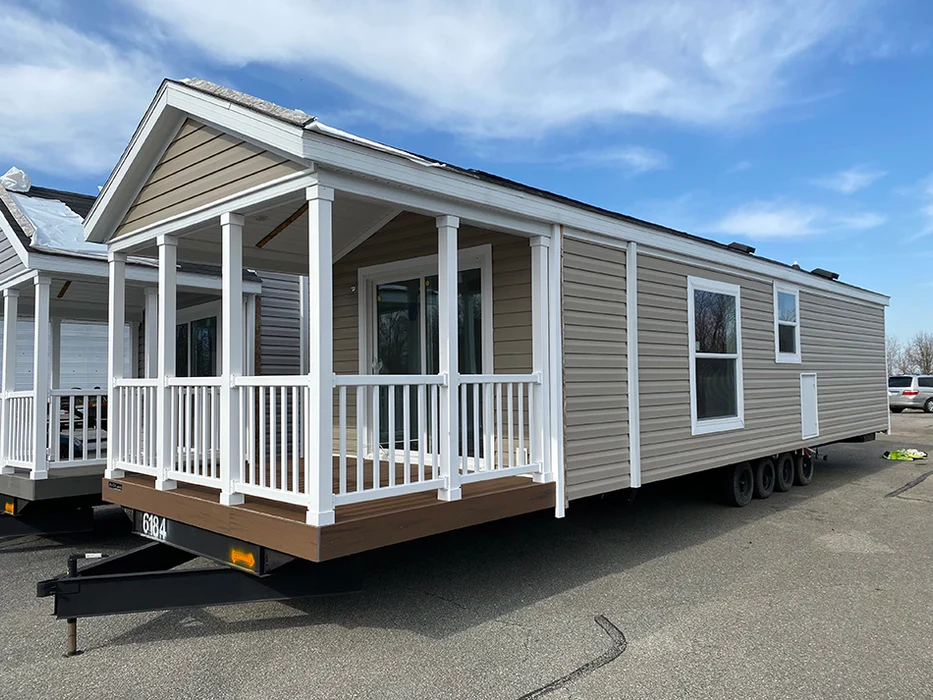
We recently sat down with a typical first-time buyer in our local area let’s call him Mark who called us in a panic. Mark purchased a beautiful pre-owned manufactured home a few years ago. During our interview, he described the creeping dread of hearing his floors suddenly squeak and watching his front door slowly refuse to latch. “I thought the house was literally sinking,” he told us, frustration clear in his voice. When my team and I crawled under his home, the culprit was obvious: compressed, rotting wooden shims struggling to hold the home’s weight.
Mark’s story isn’t unique. In fact, it perfectly illustrates a massive shift we are seeing in the industry. Recent updates in manufactured home HUD compliance and structural safety reports have placed a spotlight on the long-term health of foundations, explaining why shim maintenance is more critical than ever. Let’s break down what you need to know about the new standards.
Why Are Pier Shim Failure Rates Making Headlines in 2024?
Short answer: Safety regulators are prioritizing long-term structural longevity over quick fixes, meaning outdated foundation materials are failing stricter compliance reviews.
If you keep up with industry news, you’ve likely seen reports regarding updated HUD compliance guidelines. Historically, placing a few pieces of scrap wood between the home’s steel I-beam and the concrete pier was standard practice. Today, safety reports highlight that organic materials inevitably deteriorate. This deterioration of load-bearing wood is a well-documented engineering challenge—similar principles regarding wood degradation are even cited in federal documents like the [PDF] Guidelines to restoring structural integrity of covered bridge members. When the wood fails, the entire structure above it suffers.
As a dealer who has inspected hundreds of homes, I can tell you firsthand that 2026 is the year inspectors are cracking down. The focus has shifted toward proactive foundation leveling and prioritizing materials that maintain constant bearing capacity without shrinking or rotting.
What Happens During Foundation Settlement?
Short answer: As the soil shifts or shims compress, the home’s weight is no longer evenly supported, causing the frame to warp and the interior to show signs of stress.
When Mark asked us how a few tiny pieces of wood could cause his entire home to feel unlevel, we had to explain the mechanics of a pier and beam foundation. Your home relies on an exact distribution of weight. When foundation settlement occurs, it doesn’t usually happen all at once. It happens slowly. One pier loses a quarter-inch of support because a shim cracked. Suddenly, the surrounding piers take on excessive weight, causing a chain reaction.
If you are wondering whether your home is experiencing this domino effect, we highly recommend reading our guide: Is Your Mobile Home Settling? 5 Signs You Need New Pier Shims in California. Ignoring foundation settlement can lead to cracked drywall, broken plumbing lines, and warped window frames.
Cedar Shims vs. Steel Shims vs. Composite: Making the Right Choice
During our interview, Mark asked a question we hear from buyers all the time: “If wood rots, what should we be using instead?” The shifting 2024 standards mean you have to make a smart decision regarding materials. Let’s compare the tradeoffs.
Cedar Shims: Traditional and cheap. They are easy to install but highly susceptible to moisture, pests, and splitting under pressure. We generally only see these on older homes or tight budgets, but their lifespan is limited.
Steel Shims: The gold standard for commercial-grade structural integrity. Steel shims offer immense bearing capacity and will not compress. However, they are more expensive and can be prone to rust if not properly coated or if used in highly corrosive, damp coastal environments.
Composite Plastic: As we have noted before, high-impact composite plastic shims are an excellent, rot-proof alternative to wood and are frequently approved by manufacturers. Just verify they meet the load-bearing requirements for your specific home weight and pier spacing.
Best for / Watch out for: High-impact composite is best for most residential homeowners looking for a balance of cost and rot-proof longevity. Watch out for cheap, unrated plastic shims that aren’t approved for the immense weight of a manufactured home.
Can I Handle Foundation Leveling Myself?
Short answer: While it is technically possible, we highly advise against DIY shim replacement and foundation leveling.
Mark is a handy guy, and he admitted he initially thought about buying a jack and fixing the squeaky floor himself. We had to stop him right there. Lifting a home requires specialized hydraulic jacks and an expert understanding of load distribution. Improper lifting can permanently bend the Main I-Beam or cause the home to slip completely off the CMU piers, leading to catastrophic damage or severe injury.
Because modern standards are so strict, professional inspection intervals are non-negotiable. A licensed crew will not only safely lift the home but will also ensure every single pier meets the current code for bearing capacity.
Looking for a Home Built on a Solid Foundation?
If you’re tired of repairing older, settling homes and want to invest in modern structural integrity from day one, it might be time to upgrade. Modern modular designs are built to exacting standards that minimize settlement risks. Check out the beautiful craftsmanship and structural reliability of the Pleasant Valley Amherst Modular Home today, and let our expert team help you place it on a foundation that will last for generations.
Frequently Asked Questions
How often should I have my pier and beam foundation inspected?
Short answer: We strongly recommend a professional inspection every 3 to 5 years, or immediately following severe weather events.
Routine checks ensure that minor shim compression or soil settlement is caught before it translates into expensive structural damage inside your home.
What are the first signs that my pier shims are failing?
Short answer: The most common early signs are doors that stick or swing open on their own, squeaking or soft floors, and visible cracks in your drywall near the ceiling.
These symptoms indicate that the home’s weight is no longer evenly distributed across the CMU piers, meaning it’s time for a professional re-leveling.
Are composite shims approved for all manufactured homes?
Short answer: High-impact composite shims are widely approved, but you must verify they meet your specific home’s load-bearing requirements.
Always consult your home manufacturer’s installation manual or a licensed installer to ensure the specific brand of composite shims matches the required bearing capacity and pier spacing for your model.